
In modern pharmaceutical laboratories, maintaining strict biosafety standards and efficient sterilization workflows is critical. Laboratories face numerous challenges, notably in handling potentially infectious materials, ensuring contamination control, and adhering to strict compliance regulations. Traditional sterilization methods, while effective, come with significant drawbacks, making room for innovative solutions such as the Micro Incinerator.
Understanding Micro Incinerators
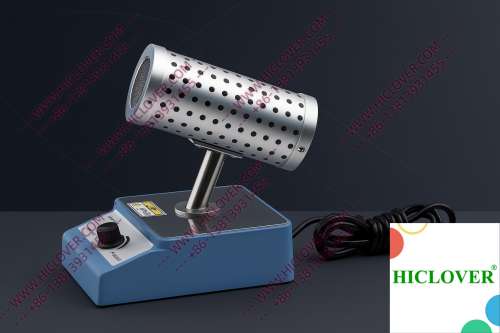
Micro Incinerators, particularly the Infrared Inoculating Loop Sterilizer, utilize advanced technology to provide a robust and efficient means of sterilization. This device operates on the principle of rapid thermal sterilization. At its core, the Micro Incinerator features a ceramic heating chamber that reaches extremely high temperatures, allowing for effective disinfection without the hazards associated with open flames.
By removing the need for flame-based methods, these devices significantly lower the risk of fire hazards, which is particularly essential in sensitive environments such as biosafety cabinets and cleanrooms.
Technical Principles Behind the Micro Incinerator
The Micro Incinerator employs infrared heating technology that enables it to heat the enclosed ceramic tube rapidly. This high-temperature sterilization process achieves complete disinfection quickly, eliminating pathogens and contaminants in a matter of seconds. The absence of toxic by-products enhances safety and facilitates easy handling, even in clean-bench conditions.
- Efficiency: Rapid sterilization in seconds.
- Safety: No open flames, reducing fire risks.
- Compliance: Meets WHO biosafety standards.
- Portability: Ideal for field testing and mobile labs.
Applications of Micro Incinerators in Real Labs
Biosafety Cabinet Operations
In high-containment labs such as BSL-2 and BSL-3 facilities, the Micro Incinerator plays a vital role. For instance, virology labs utilize this equipment for sterilizing inoculating loops, preventing cross-contamination during pathogen handling. As the sterilizer is safe for use within biosafety cabinets, it allows researchers to work efficiently while adhering to stringent biosafety protocols.
University Teaching Labs
In educational settings, Micro Incinerators offer a safer alternative for sterilization tasks. In microbiology courses, students can learn the principles of aseptic techniques without the risks associated with alcohol lamps or Bunsen burners. The infrared inoculating loop sterilizer provides an ideal solution for sterilization exercises, ensuring a clean environment for hands-on learning while promoting safety.
Compliance and Safety Standards
Ensuring compliance with laboratory safety standards is crucial for all research facilities. Laboratory sterilization processes must align with guidelines set forth by organizations like the World Health Organization and local regulatory bodies. Using a Micro Incinerator ensures adherence to these protocols due to its efficient and flame-free operation. Additionally, the Micro Incinerator is particularly valuable in cleanrooms where open flames are prohibited due to risk of contamination.
The following table illustrates a comparison between Micro Incinerators and traditional flame burners:
| Feature | Micro Incinerator | Flame Burners |
|---|---|---|
| Operation | Infrared thermal sterilization | Flame-based heating |
| Safety | Flame-free, reduced fire risk | Open flames present fire hazards |
| Processing Time | Seconds | Variable, often slower |
| Portability | Compact and mobile | Bulky, less portable |
| Contamination Control | Minimal risk | Higher risk of aerosols |
Encouraging Sustainable Lab Practices
As laboratories globally push for sustainable practices in waste management and sterilization, the Micro Incinerator stands out as an eco-friendly solution. Its ability to effectively sterilize materials without using harmful chemicals or generating toxic waste supports a cleaner environment. This is particularly pertinent as regions like Europe and North America implement stricter regulations on laboratory waste disposal.
FAQs About Micro Incinerators
What are the key benefits of using a Micro Incinerator in a pharmaceutical lab?
Micro Incinerators provide rapid thermal sterilization, enhance contamination control, and ensure compliance with safety regulations, all while minimizing fire hazards.
Can Micro Incinerators be used in field testing labs?
Yes, the portability and compact design of Micro Incinerators make them ideal for mobile labs and field testing applications where traditional sterilization methods may be impractical.
How do Micro Incinerators ensure compliance with safety standards?
Micro Incinerators are designed to meet WHO biosafety standards, allowing for safe sterilization without the risks associated with open flames in cleanroom environments.
What materials can be sterilized using a Micro Incinerator?
Micro Incinerators are effective for sterilizing inoculating loops, glassware, and other small laboratory instruments that require disinfection.
How does a Micro Incinerator compare to a Bunsen burner for laboratory use?
Micro Incinerators offer several advantages over Bunsen burners, including enhanced safety through flame-free operation, rapid sterilization, and reduced risk of contamination.
Conclusion
In the landscape of laboratory sterilization, Micro Incinerators have emerged as a crucial tool for enhancing operational efficiency, ensuring biosafety, and promoting environmentally responsible practices. As labs continue to navigate the challenges of waste management and contamination control, investing in a Micro Incinerator can significantly improve safety and effectiveness. For more information or to explore our selection of Micro Incinerators, please contact us today!
Categories:
Tags: