
In laboratory settings, particularly in environments adhering to strict biosafety standards, the challenges of contamination control and effective sterilization processes are paramount. Laboratory personnel are constantly searching for methods to streamline sterilization workflows while ensuring safety and compliance with health regulations. Micro Incinerators, specifically Infrared Inoculating Loop Sterilizers, are increasingly being recognized as essential tools in addressing these demands, revolutionizing how laboratories manage sterilization.
Understanding Micro Incinerators
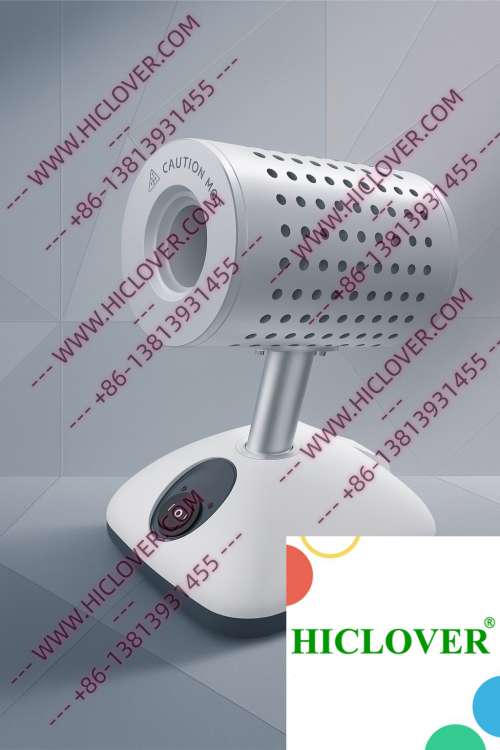
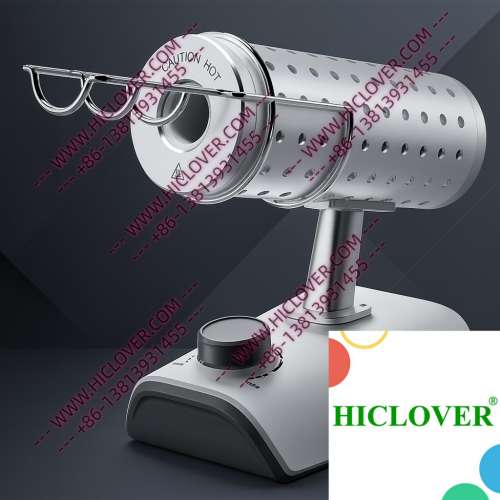
Micro Incinerators utilize infrared heat technology to rapidly sterilize inoculating loops, needles, and other small tools. Unlike traditional flame sterilizers, such as alcohol lamps and Bunsen burners, micro incinerators provide a clean, enclosed ceramic heating chamber that ensures high-temperature disinfection without releasing potentially harmful aerosols.
The principle behind micro incinerators is simplistic yet effective. When heated, the infrared element within the ceramic tube reaches temperatures of up to 850°C, allowing for rapid thermal sterilization of microbial tools. This method not only reduces the risk of cross-contamination but also minimizes the flammable risks associated with open flames.
Advantages over Traditional Flame Sterilizers
- Safety: No open flames reduce the risk of fires and improve workplace safety.
- Efficiency: Rapid heating allows for quick sterilization cycles, improving laboratory throughput.
- Contamination Control: Enclosed design prevents airborne contaminants and maintains cleanroom integrity.
- Ease of Use: Simple operation facilitates quick sterilization without the need for extensive training.
- What types of tools can be sterilized using a Micro Incinerator?
Any small tools such as inoculating loops, needles, or scalpel blades that require rapid and effective sterilization are suitable for use. - How long does it take for a Micro Incinerator to reach sterilization temperature?
It typically reaches sterilization temperature within seconds, ensuring quick and efficient workflows. - Can a Micro Incinerator be used in field tests?
Yes, many portable models are designed for field testing where controlled sterilization is necessary. - Is it safe to use a Micro Incinerator in a clean room?
Absolutely, its enclosed design and absence of flames make it clean-bench-safe and ideal for sterile environments. - What is the maintenance requirement for a Micro Incinerator?
Regular cleaning of the ceramic chamber and routine checks of the heating element are generally recommended.
Applications in Laboratory Settings
Micro Incinerators find application in various laboratory environments. Here are two significant scenarios:
Biosafety Cabinets
In BSL-2 and BSL-3 microbiology labs, where the handling of pathogenic bacteria is routine, micro incinerators play a critical role. Within biosafety cabinets, the sterilizer provides a clean method for quickly sterilizing loops and tools before and after sample manipulation. This is crucial in preventing cross-contamination, as any lapse could result in inaccurate results or dangerous outbreaks.
University Teaching Labs
Furthermore, in university teaching laboratories, the educational benefits of using micro incinerators can’t be overstated. Students learn safe and efficient sterilization techniques without the hazards of open flames, creating a conducive learning environment. This helps foster not only practical skills but also an understanding of biosafety principles.
Compliance and Environmental Considerations
Regulatory compliance is a key factor driving the adoption of advanced sterilization equipment like micro incinerators. WHO biosafety regulations and laboratory sterilization standards emphasize the importance of methods that minimize risk. Enclosed solutions reduce open flame usage, aligning with clean room protocols that require non-flammable tools. The evolution from traditional sterilizers to modern alternatives such as micro incinerators represents a pivotal shift in laboratory practices, particularly in regions like Austria, where environmental regulations are stringent.
Micro Incinerators vs. Flame Burners
| Feature | Micro Incinerator | Flame Burner |
|---|---|---|
| Safety | No open flames, reduced fire risk | Open flame, higher fire risk |
| Contamination Control | Encased, prevents aerosol spread | Exposed, higher aerosol risk |
| Operational Efficiency | Instant heating, rapid sterilization | Time-consuming lighting and cooling periods |
| Environmental Compliance | Meets stringent biosafety standards | May conflict with clean room protocols |
Frequently Asked Questions
Conclusion
In conclusion, Micro Incinerators are emerging as pivotal tools in modern laboratory sterilization, particularly in Austria’s evolving scientific landscape. Their advantages over traditional flame sterilizers are clear, from enhanced safety measures to strict compliance with biosafety regulations. As laboratory environments continue to prioritize cleanliness and efficiency, micro incinerators are an investment that laboratories, hospitals, and educational institutions should seriously consider. For further inquiries or to explore purchasing options, please contact us today!
Categories:
Tags: