
Laboratories face a unique set of biosafety challenges, especially in a rapidly evolving research environment like Malaysia. Sterilization is critical to ensure the safety of laboratory personnel and the integrity of scientific results. Traditional methods such as alcohol lamps and Bunsen burners have long been staples for sterilization. However, they often fall short in terms of efficiency, safety, and environmental compliance. Enter Micro Incinerators, specifically designed for modern laboratory sterilization needs.
Understanding Micro Incinerators
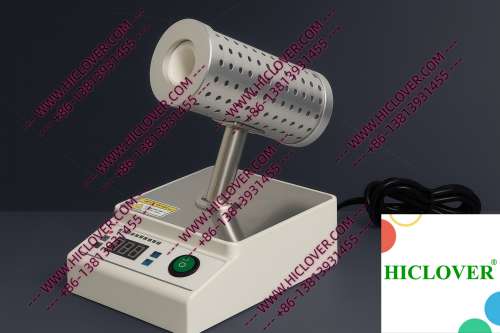
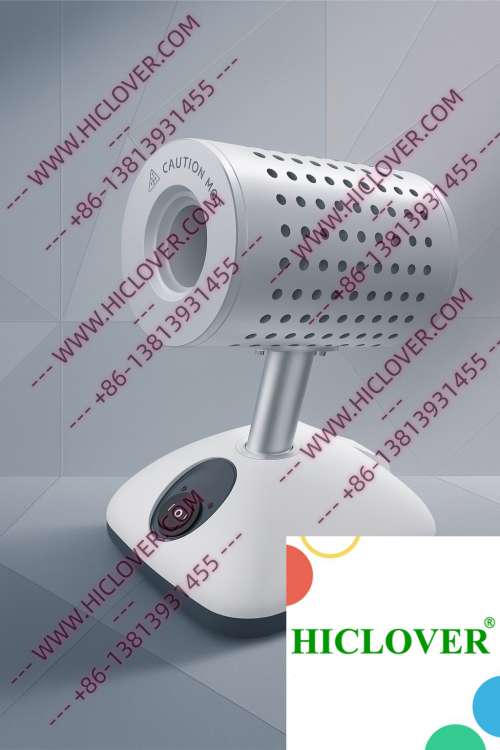
Micro Incinerators, particularly the Infrared Inoculating Loop Sterilizer, are engineered to meet the stringent sterilization demands of contemporary labs. They utilize advanced infrared heating technology to provide rapid thermal sterilization in a compact, enclosed ceramic tube design. This unique setup allows for quick heating to high temperatures, enabling effective disinfection without the risks associated with open flames.
Technical Principles of Micro Incinerators
The operational principle of Micro Incinerators revolves around infrared emissions. Unlike traditional flame sterilizers, which rely on combustion at ambient air conditions, the infrared technology targets sterilization by emitting heat directly onto the inoculating loops or tools, facilitating precise and uniform heating. A ceramic heating chamber encapsulates this process, ensuring that airborne contaminants are minimized, and the risk of aerosol generation is virtually eliminated.
Applications in Real Laboratory Settings
- Biosafety Cabinets: Micro Incinerators can be integrated with biosafety cabinets (BSL-2/BSL-3 labs) where maintaining a sterile environment is crucial. Utilizing a unit within such a context not only protects the user but also preserves sample integrity.
- Teaching Laboratories: Educational institutions often face strict regulatory needs for safe waste disposal during microbiological teaching. Implementing Micro Incinerators in university settings serves not only as a sterilization tool but as a teaching aid for best practices in safe lab operations.
Comparison with Traditional Flame Sterilizers
| Features | Micro Incinerator | Flame Sterilizers |
|---|---|---|
| Heat Source | Infrared | Open Flame |
| Safety | Low-risk, no flames | High-risk, potential for accidents |
| Efficiency | Rapid sterilization | Slower, less reliable |
| Contamination Control | Aerosol-free | Higher contamination risk |
| Power Supply | Electric | Gas/Fuel Needed |
Compliance with Biosafety Standards
In compliance with the World Health Organization (WHO) biosafety and lab sterilization standards, Micro Incinerators offer a significant advantage in cleanroom environments. The elimination of open flames in clean labs not only enhances safety but also aligns with regulatory requirements aimed at minimizing contamination risks.
Environmental Impact and Regulations
Micro Incinerators present an eco-friendlier alternative to traditional sterilization methods, as they generate minimal emissions, tackle waste effectively, and comply with strict environmental regulations. Laboratories in Malaysia can significantly contribute to sustainability efforts by integrating these innovative sterilizers into their waste management workflows.
FAQs
- How does a Micro Incinerator ensure effective sterilization?
The use of infrared heat allows for direct, rapid thermal sterilization, capable of achieving the necessary temperatures for effective disinfection without aerosols. - Can Micro Incinerators be used in field testing?
Yes, the portable design makes Micro Incinerators suitable for field testing environments, providing a controlled method for sterilizing tools outside the lab. - What are the advantages over traditional sterilization methods?
They offer enhanced safety features, rapid sterilization times, and minimal contamination risk compared to flame-based methods. - Are Micro Incinerators compliant with international biosafety standards?
Yes, they adhere to WHO biosafety and lab sterilization standards, making them suitable for use in various laboratory settings. - What types of labs benefit most from using a Micro Incinerator?
BSL-2/BSL-3 microbiology labs, teaching labs, and clinical diagnostics can all significantly improve their sterilization workflows with Micro Incinerators.
Conclusion: Invest in the Future of Laboratory Sterilization
The sterilization landscape in laboratories is evolving, and Micro Incinerators are at the forefront of this transformation. They are not only more efficient and safer than traditional flame sterilizers but also compliant with rigorous biosafety standards. By choosing to integrate this advanced sterilization technology into your laboratory workflow, you position your institution for success in both research integrity and environmental responsibility. For more information or to make a purchase, please feel free to reach out. Your laboratory deserves the best tools for effective waste management and sterilization.
Categories:
Tags: