
In the world of laboratory biosafety, particularly in water testing labs, the challenge of effective sterilization grows daily. Laboratories are continually facing demands for efficient contamination control to ensure the accuracy of their tests. Conventional methods like alcohol lamps and Bunsen burners have served researchers well for years, but they often pose safety risks, issues with efficiency, and difficulties in compliance with stringent sterilization standards. Here’s where Micro Incinerators, particularly the Infrared Inoculating Loop Sterilizer, step in as a revolutionary solution.
Understanding the Technology Behind Micro Incinerators
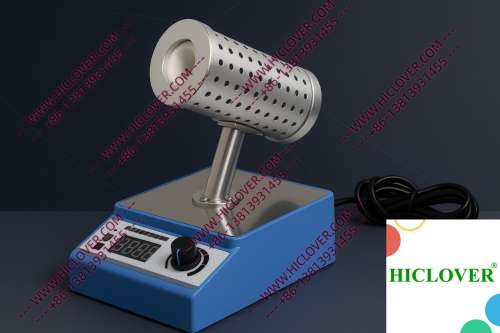
The heart of a Micro Incinerator is its advanced infrared heating system. Unlike traditional flame-based methods, Micro Incinerators use an enclosed ceramic heating chamber that reaches high temperatures rapidly—enough to dispose of any residual microorganisms effectively. The key advantage here is that it offers rapid thermal sterilization without the risks associated with open flames.
This thermal sterilization mechanism ensures aerosol-free handling, which is essential in maintaining a sterile environment. This characteristic makes the Micro Incinerator particularly suitable for clean-room applications where even minimal contamination could impact experimental results. It provides an eco-friendly approach to sterilization while adhering to the necessary biosafety standards.
Application Scenarios in Real Labs
1. Biosafety Cabinets in Clinical Diagnostics
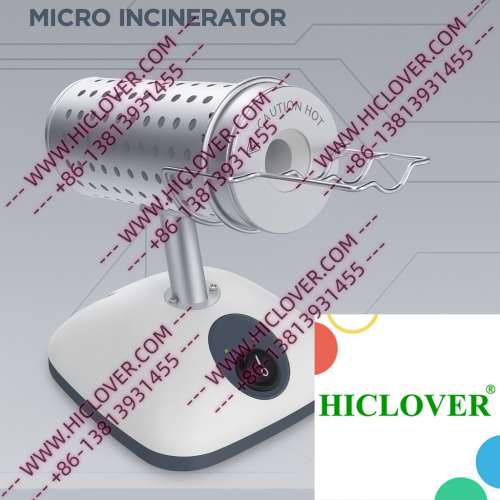
Micro Incinerators find frequent use in BSL-2 and BSL-3 microbiology labs, especially within biosafety cabinets. In these facilities, researchers need to minimize the risk of pathogen exposure while ensuring that instruments like inoculating loops remain sterile. The Micro Incinerator can be positioned within these cabinets, providing a compact and efficient method for sterilizing tools in situ. This setup prevents cross-contamination while conforming to WHO biosafety standards.
2. Mobile Testing in Field Labs
Field testing in remote locations demands reliable sterilization methods. Here, the Micro Incinerator shines. Its portable design allows it to be easily transported while still delivering high-temperature disinfection without flames. Researchers conducting water quality assessments in locations far from conventional laboratory facilities benefit immensely from this technology—ensuring that their samples are accurately tested without risk from contaminants introduced during handling.
Compliance and Environmental Considerations
The compliance aspect cannot be overstated. Laboratories are increasingly tasked with adhering to strict international biosafety standards, including those set forth by the WHO and guidelines pertaining to laboratory sterilization. The Micro Incinerator not only complies with these regulations but also addresses critical issues associated with flame-based sterilization methods. Namely, it eliminates the risks of open flames in clean rooms and reduces the production of toxic fumes.
Moreover, using a Micro Incinerator helps laboratories reduce their carbon footprint, especially within regions increasingly governed by environmental regulations. The compact nature and efficiency of this sterilizer promote sustainable practices, aligning with various local initiatives in places like Berlin, Germany, or California, USA.
Advantages Compared to Traditional Flame Sterilizers
| Feature | Micro Incinerator | Flame Sterilizers |
|---|---|---|
| Sterilization Speed | Rapid thermal sterilization | Longer heating time |
| Safety | Aerosol-free, no open flame | Risk of burns and contamination |
| Environmental Impact | Eco-friendly | Fume generation during operation |
| Usability | Works in clean rooms | Not suitable for clean conditions |
Frequently Asked Questions
- What types of laboratories benefit most from Micro Incinerators?
Micro Incinerators are invaluable in clinical diagnostics, research labs, and educational institutions. - Are Micro Incinerators suitable for field use?
Absolutely! Their compact and portable design makes them perfect for mobile testing labs. - How do Micro Incinerators ensure compliance with biosafety standards?
They adhere to WHO guidelines by eliminating open flames, thereby providing a safer working environment. - What is the average lifespan of a Micro Incinerator?
With appropriate maintenance, these devices can last several years. - Can Micro Incinerators operate in a biosafety cabinet?
Yes, they are ideal for use within biosafety cabinets to maintain sterile conditions.
Conclusion: Elevate Your Laboratory Standards with Micro Incinerators
The adoption of Micro Incinerators such as the Infrared Inoculating Loop Sterilizer represents a considerable advancement in laboratory sterilization technology. Their ability to provide clean-bench-safe, rapid sterilization aligns with contemporary demands for biosafety and efficiency in laboratory settings. If you’re looking to enhance your laboratory’s sterilization workflow, consider upgrading to a Micro Incinerator. Reach out today for more information—we’re here to help you redefine lab safety and efficiency!
Categories:
Tags: