
In the ever-evolving landscape of laboratory operations, strict biosafety challenges continually demand advanced sterilization solutions. With pathogens becoming increasingly resistant and contamination control paramount, laboratories—from BSL-2 facilities engaged in microbiological research to university teaching labs—require efficient and reliable sterilization equipment. Enter micro incinerators, particularly the Infrared Inoculating Loop Sterilizer, which promises rapid thermal sterilization and effective contamination prevention in clean bench environments.
The Technical Principles Behind Micro Incinerators
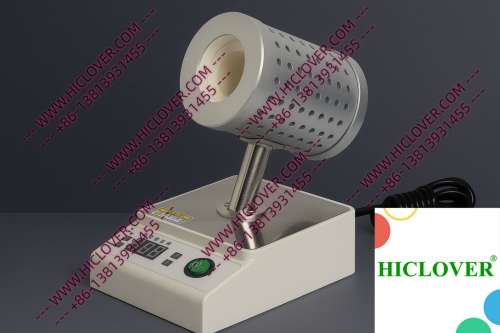
The core of micro incineration technology lies in its sophisticated design and operational principles. Utilizing infrared heat generated by an enclosed ceramic heating chamber, these devices achieve high temperatures rapidly, ensuring thorough sterilization of inoculating loops and other small equipment. The enclosed aspect not only enhances safety by preventing flaming aerosols but also creates a clean, sterile workspace away from open flames. The efficiency of this system stems from the focused application of heat that minimizes energy waste and maximizes sterilization efficacy.
Advantages of Micro Incinerators Over Traditional Flame Sterilizers
| Feature | Micro Incinerator | Traditional Flame Sterilizer |
|---|---|---|
| Heat Generation | Infrared heat in a controlled environment | Open flame (e.g., Bunsen burners) |
| Contamination Risk | Aerosol-free handling | Potential aerosol formation |
| Sterilization Speed | Rapid thermal sterilization | Variable speed based on flame management |
| Usability | Clean-bench-safe | Less safe in cleanroom environments |
Application Scenarios in Real Laboratories
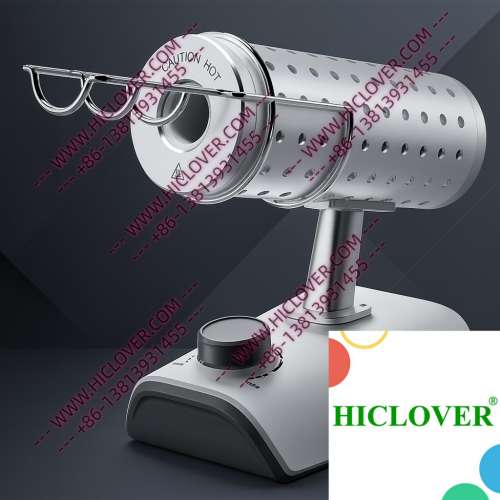
Micro incinerators are not limited to a specific setting; they enhance workflow in various laboratory scenarios. Below are two notable applications:
- Biosafety Cabinets: In BSL-2 and BSL-3 microbiology labs, implementing micro incinerators within biosafety cabinets ensures a sterile environment while minimizing contamination risk. The rapid heating process allows researchers to quickly sterilize inoculating loops between samples, thus maintaining the integrity of sensitive experiments.
- University Teaching Labs: Educators teaching microbiology concepts leverage micro incinerators to demonstrate effective sterilization techniques while ensuring student safety. The absence of an open flame allows learners to engage with equipment in a more controlled environment, reinforcing core teaching objectives without compromising lab standards.
Regulatory Compliance and Environmental Considerations
Laboratories are governed by various biosafety standards set forth by organizations such as the World Health Organization (WHO) and national regulatory bodies. Compliance with these standards is not merely a formality; it ensures the health and safety of laboratory personnel and the integrity of research findings. Micro incinerators fit seamlessly into the compliance frameworks due to their absence of open flames, reducing fire hazards and adhering to clean room regulations.
Furthermore, as environmental concerns rise, the low emissions associated with infrared technology position micro incinerators as a more eco-friendly alternative to traditional methods. By providing an energy-efficient means of sterilization, these devices help laboratories meet sustainability goals while maintaining stringent sterilization requirements.
FAQs About Micro Incinerators
-
What is the primary advantage of using a micro incinerator over a Bunsen burner?
A micro incinerator reduces contamination risk through aerosol-free handling and ensures rapid thermal sterilization. -
Can micro incinerators be used in cleanroom environments?
Yes, micro incinerators are designed for clean-bench-safe applications without the risks associated with open flames. -
What types of labs benefit from micro incinerators?
BSL-2, BSL-3 microbiology labs, clinical diagnostics, and teaching labs all gain efficiency from micro incinerators. -
How does the sterilization process work?
Infrared heat targets the inoculating loop directly, achieving high sterilization temperatures quickly and effectively. -
Are micro incinerators compliant with biosafety standards?
Yes, these devices meet necessary biosafety standards, including those set by the WHO for laboratory environments.
Conclusion: Embrace the Future of Laboratory Sterilization
As the modern laboratory environment demands higher standards of sterility and safety, micro incinerators have emerged as an essential tool for researchers, educators, and clinical professionals. These innovative sterilization devices not only streamline workflows but also significantly enhance contamination control in various laboratory settings.
For those looking to invest in superior laboratory sterilization equipment, consider integrating a micro incinerator into your sterilization arsenal. With enhanced efficiency and compliance with modern biosafety standards, the Infrared Inoculating Loop Sterilizer is your solution for improved clean bench environments. Contact us today for more information or a tailored quote!