
In modern laboratories, the challenges of biosafety and effective sterilization methods loom large. Clinicians, researchers, and educators frequently face the demands of maintaining sterile environments to prevent biological contamination. This is especially crucial in settings such as BSL-2 and BSL-3 microbiology labs, where pathogen handling is routine and safety is paramount. One versatile solution emerging in this landscape is the Micro Incinerator, specifically the Infrared Inoculating Loop Sterilizer.
Understanding the Technical Principles
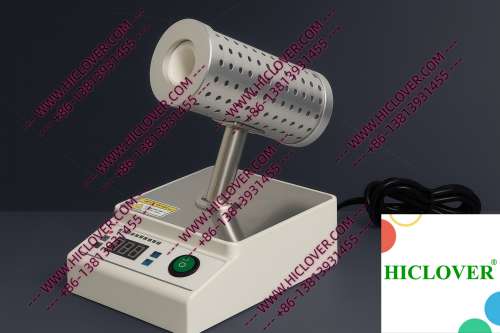
The Micro Incinerator operates on the principles of infrared thermal sterilization, utilizing a high-temperature ceramic heating chamber. This compact device generates infrared heat that rapidly sterilizes inoculating loops, needles, and other laboratory tools. Once the loop or tool is inserted into the enclosed ceramic tube, it reaches sterilization temperatures in seconds, ensuring that pathogens are effectively annihilated.
Key components of these sterilizers include:
- Ceramic Heating Chamber: Provides efficient heat transfer for rapid sterilization.
- Temperature Control Mechanisms: Maintains optimal temperatures for effective microbial destruction.
- Compact Design: Suitable for use in restricted spaces such as biosafety cabinets or clean rooms.
- OSHA Safety Standards
- CDC Guidelines for Biosafety
- ISO Certification for Disinfection Equipment
Applications in Real Labs
Micro Incinerators find a diverse range of applications across different laboratory settings. Here are two prominent scenarios:
1. Field Testing Laboratories
In mobile field testing labs, researchers often deal with biological samples collected from various environments. Here, the Micro Incinerator proves invaluable, as it provides a quick and safe method to sterilize equipment on-site. Without the need for flammable substances like alcohol or the complexity of Bunsen burners, field scientists can ensure that their tools are clean, minimizing any risk of cross-contamination while adhering to stringent compliance guidelines.
2. University Teaching Labs
In educational settings, where biosafety is critically important, Micro Incinerators are widely used during microbiology practical sessions. Students learn biotechnological methods in a safe environment with reduced risk. The rapid thermal sterilization eliminates the potential hazards linked with using open flames, allowing instructors to focus on effective teaching without the worry of accidents. Moreover, the compact design fits well within clean benches.
Compliance and Environmental Standards
Adhering to global biosafety standards is non-negotiable for laboratories. The World Health Organization (WHO) emphasizes stringent protocols to safeguard researchers and students alike. In laboratories, especially those dealing with infectious agents, there are explicit guidelines surrounding sterilization and disinfection practices. Traditional methods such as alcohol-based flame sterilizers can introduce risks, such as flammable vapors and aerosols, which are unacceptable in clean room environments.
In contrast, the Micro Incinerator eliminates these risks, offering a clean, flame-free sterilization option that complies with laboratory sterilization standards. Its combustion-free operation ensures it meets safety provisions like:
Micro Incinerator vs. Traditional Flame Sterilizers
| Feature | Micro Incinerator | Flame Sterilizers |
|---|---|---|
| Safety | No flame, reduced fire risk | Open flame, higher fire hazards |
| Speed | Rapid thermal sterilization in seconds | Slower to achieve necessary sterilization |
| Portability | Compact for field use | Requires larger setup space |
| Contamination Control | Aerosol-free handling | Risk of aerosol generation |
| Operational Complexity | Simple use with controls | Requires careful control of flame |
Frequently Asked Questions
What is a Micro Incinerator and how does it work?
A Micro Incinerator is a sterilization device that uses infrared heat for rapid thermal sterilization of laboratory tools. It operates within a ceramic heating chamber, which efficiently transfers heat to eliminate microorganisms.
Where can Micro Incinerators be applied in laboratories?
Micro Incinerators are suitable for use in various settings, including BSL-2 and BSL-3 microbiology labs, field testing environments, and university teaching labs.
How does the Micro Incinerator comply with biosafety standards?
This device operates flame-free to minimize risk and adheres to global guidelines such as WHO and OSHA safety protocols, ensuring effective contamination control without generating aerosols.
What are the advantages of using a Micro Incinerator over traditional sterilizers?
Advantages include higher safety, speed of sterilization, portability for field use, and a significant reduction in contamination risks, making it an ideal choice for modern laboratories.
Is training required to operate a Micro Incinerator?
While no extensive training is typically required, users should familiarize themselves with the operational protocols and safety measures to maximize the benefits safely.
Conclusion
Laboratories today demand high levels of safety and efficiency in sterilization processes. The Micro Incinerator, especially the Infrared Inoculating Loop Sterilizer, answers this need by offering a compact, effective solution for contamination control. With its rapid sterilization capabilities and adherence to stringent safety standards, this device is essential for any lab focused on biosafety and efficiency.
If you’re interested in enhancing your lab’s sterilization process, don’t hesitate to reach out for more information or to make a purchase. Embrace the future of laboratory sterilization with the Micro Incinerator.
Categories:
Tags: