
In today’s fast-paced laboratory environments, the demand for effective and safe sterilization methods has never been more critical. Scientists and lab technicians face numerous biosafety challenges, from ensuring contamination control to complying with stringent laboratory sterilization standards. One of the unsung heroes in achieving these goals is the Micro Incinerator, particularly the Infrared Inoculating Loop Sterilizer, which addresses the unique sterilization workflow demands of various laboratory scenarios.
Technical Principles of Micro Incinerators
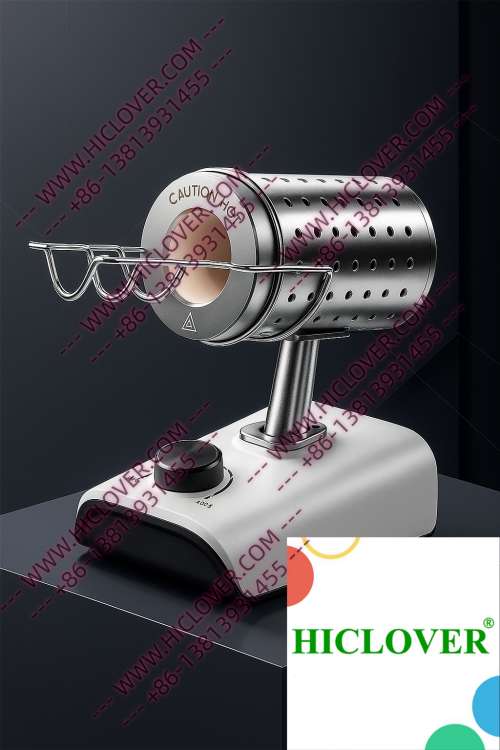
The Micro Incinerator operates on the principle of rapid thermal sterilization using infrared technology. This innovative equipment utilizes an enclosed ceramic heating chamber that provides precise and uniform heating. The sterilizer’s infrared elements offer direct, high-temperature disinfection while minimizing the risk of heat loss, making it significantly more efficient than traditional flame burners.
With infrared high-temperature disinfection, the Micro Incinerator can achieve effective sterilization within seconds, ensuring that inoculation loops, needles, and hand tools are free from microbial contamination. This capability not only enhances safety during laboratory procedures but also reduces downtime, allowing scientists to maintain a seamless workflow.
Applications of Micro Incinerators in Laboratory Settings
Micro Incinerators find applications in various laboratory environments, including:
- Biosafety Cabinets: In BSL-2 and BSL-3 microbiology labs, using a Micro Incinerator inside a biosafety cabinet ensures that researchers can sterilize instruments while maintaining a contamination-free environment. The closed design eliminates the risk of aerosol generation associated with flame sterilization.
- Field Testing: For mobile or field testing labs, such as those in remote locations, the portability and ease of use of micro incinerators make them essential tools. They enable researchers to promptly sterilize tools on-site, facilitating reliable results in clinical diagnostics or environmental sampling.
Compliance and Environmental Considerations
As laboratories operate under strict governmental and organizational regulations, maintaining compliance with biosafety standards is paramount. The World Health Organization (WHO) outlines biosafety practices that prioritize minimizing risks, including exposure to pathogens. The use of Micro Incinerators aligns with these guidelines, as they provide a flame-free option that is specifically designed to operate in clean rooms without generating fumes or aerosols.
Unlike traditional sterilizers like alcohol lamps and Bunsen burners, Micro Incinerators reduce the overall environmental impact of laboratory operations. Their efficiency leads to lower energy consumption, contributing to sustainability goals while enhancing laboratory safety.
Comparison of Micro Incinerators and Traditional Flame Sterilizers
| Features | Micro Incinerator | Flame Sterilizers |
|---|---|---|
| Heat Source | Infrared ceramic | Open flame |
| Sterilization Time | Seconds | Varies, typically longer |
| Aerosol Generation | No | Yes |
| Heat Control | Precise and uniform | Less controlled |
| Safety | Cleaner operation, less risk | Presents fire hazards |
FAQs about Micro Incinerators
What is a Micro Incinerator used for in the lab?
A Micro Incinerator is utilized for rapid sterilization of inoculating loops and other laboratory tools, ensuring they are free of microbial contamination for reliable experimental results.
How does the infrared sterilization process work?
The Micro Incinerator employs infrared heat to achieve high temperatures quickly, sterilizing instruments without generating harmful aerosols.
Are Micro Incinerators compliant with laboratory safety regulations?
Yes, Micro Incinerators comply with WHO biosafety standards, making them suitable for use in BSL-2 and BSL-3 environments.
What advantages do Micro Incinerators have over traditional flame sterilizers?
Micro Incinerators provide faster sterilization times, safer operations without open flames, and better control of the heating process, reducing the risk of contamination and improving lab workflows.
Can Micro Incinerators be used in field testing situations?
Absolutely, their portability and efficiency make Micro Incinerators ideal for field testing labs, enabling on-site sterilization wherever necessary.
Conclusion
The Micro Incinerator or Infrared Inoculating Loop Sterilizer epitomizes innovation in laboratory sterilization, combining efficiency with adherence to rigorous biosafety standards. Its advantages over traditional flame sterilizers make it a game-changer in sterilization workflows across various lab environments, from teaching labs to advanced research facilities.
For those seeking to upgrade their sterilization equipment, investing in a Micro Incinerator represents a significant step toward enhancing safety and efficiency in lab operations. Contact us today to learn more about our offerings and how they can benefit your laboratory.
Categories:
Tags: