
In an era where laboratory safety and cleanliness are paramount, Melbourne’s research facilities are increasingly embracing advanced sterilization technologies to address the significant biosafety challenges they face. With rising concerns surrounding contamination control and the need for efficient sterilization workflows, the spotlight shines brightly on micro incinerators, particularly the Infrared Inoculating Loop Sterilizer. This innovative apparatus is revolutionizing the way laboratories manage microbial waste and ensure a sterile environment.
Understanding the Micro Incinerator: Technical Principles and Configuration
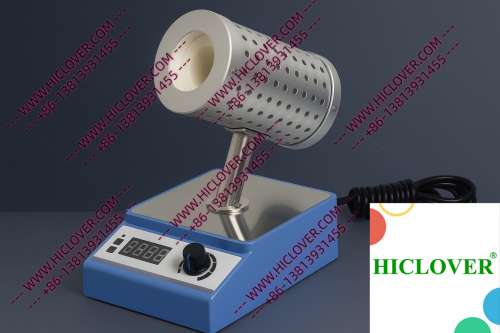
The micro incinerator, often found in biosafety cabinets and teaching laboratories across Melbourne, employs infrared heat for rapid thermal sterilization. Unlike traditional methods, this device uses a ceramic heating chamber to provide uniform heating without exposure to open flames. This setup minimizes the risk of combustion while ensuring that sterilization occurs effectively.
When the inoculating loop or other tools are placed inside the enclosed chamber, they are exposed to high-temperature infrared radiation, effectively killing pathogenic microorganisms within seconds. This innovative design not only enhances efficacy but also maintains a clean-bench-safe environment, essential in BSL-2 and BSL-3 microbiology laboratories.
Key Features and Advantages Over Traditional Flame Sterilizers
- Rapid Sterilization: The micro incinerator can sterilize tools in seconds, streamlining laboratory workflows.
- Infrared Technology: Provides consistent heating, ensuring thorough microbial death without the risk of flame exposure.
- Portable Design: Lightweight and easy to transport, making it suitable for both stationary labs and field testing scenarios.
- Reduced Contamination Risk: Aerosol-free handling maintains a clean workspace, essential for modern biotechnological practices.
- No Chemical Residue: Unlike alcohol-based burners, micro incinerators do not leave behind combustible residues that could lead to hazardous situations.

Application Scenarios in Real Labs
1. Teaching Laboratories
University teaching labs benefit significantly from the adoption of micro incinerators, particularly in microbiology courses. Students can safely sterilize inoculating loops while learning correct microbial handling techniques without the inherent risks associated with flame burners. The quick turnaround between sterilization tasks allows for a smoother educational process and minimizes downtime during practical sessions.
2. Field Testing Laboratories
In mobile or field testing labs, the micro incinerator’s portability makes it an ideal choice for researchers working on-site. For instance, environmental scientists conducting microbial assessments in remote locations can rely on the infrared sterilizer for hassle-free sterilization of equipment without the need for bulky and hazardous flame-based devices. This flexibility not only enhances safety but also promotes effective contamination control in diverse settings.
Biosafety and Compliance Considerations
When discussing lab sterilization equipment like the micro incinerator, compliance with biosafety standards is crucial. The World Health Organization (WHO) emphasizes the need for strict adherence to biosafety measures in laboratories handling potentially infectious materials. Micro incinerators comply with lab sterilization standards, offering a clean and efficient method for disinfection without introducing flames into clean rooms—ensuring that all practices are in line with required safety protocols.
Micro Incinerator vs. Traditional Flame Sterilizers
| Feature | Micro Incinerator | Flame Sterilizers |
|---|---|---|
| Heat Source | Infrared | Open Flames |
| Safety | No flame risk | Fire hazards |
| Contamination Control | Aerosol-free | Risk of aerosols |
| Efficiency | Rapid sterilization | Time-consuming |
| Portability | Highly portable | Bulky |
FAQs About Micro Incinerators
What is a micro incinerator used for?
A micro incinerator is primarily used for sterilizing laboratory equipment such as inoculating loops, ensuring rapid thermal sterilization and contamination control.
How does the infrared sterilization process work?
The device utilizes an enclosed ceramic tube that produces infrared heat, effectively disinfecting tools without the use of flames, thus maintaining a sterile environment.
Are micro incinerators safe to use in BSL-2 labs?
Yes, micro incinerators are designed with biosafety in mind and are safe for use in BSL-2 labs due to their aerosol-free handling and minimal fire risk.
Can these sterilizers operate in mobile labs?
Absolutely! Micro incinerators are lightweight and portable, making them ideal for mobile setups, such as field testing laboratories.
How do micro incinerators compare with alcohol flame burners?
Micro incinerators offer a more efficient and safer alternative to alcohol burners, eliminating fire risks and providing rapid sterilization without toxic residue.
Conclusion
As the landscape of laboratory waste management evolves, Melbourne’s facilities must adapt to advanced technologies such as the micro incinerator and infrared inoculating loop sterilizer. These devices not only enhance sterilization efficiency but also significantly bolster safety protocols in research environments. For laboratories looking to improve their sterilization workflows and compliance with biosafety standards, integrating micro incinerators into their equipment arsenal is a prudent choice.
If you are interested in transforming your laboratory’s approach to waste management and sterilization, don’t hesitate to reach out for more information on our range of micro incinerators. Enhance your laboratory’s safety and operational efficiency today!
Categories:
Tags: