
In today’s highly regulated laboratory environments, ensuring effective sterilization is paramount. Laboratories face increasing biosafety challenges, especially when dealing with cultures and specimens that could pose biohazard risks. Traditional methods like alcohol lamps and Bunsen burners have long been the go-to solutions for sterilization, but they are rapidly being replaced by advanced technology such as micro incinerators, also known as infrared inoculating loop sterilizers. This article explores the nuances of these two sterilization strategies.
Understanding Micro Incinerators
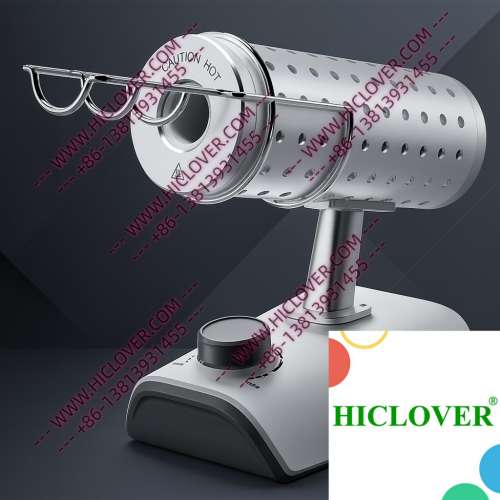
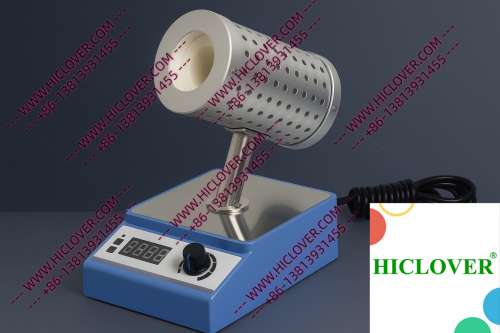
Micro incinerators utilize infrared heat to achieve rapid thermal sterilization. The core of these devices typically consists of an enclosed ceramic tube that raises the temperature to over 800°C within seconds, ensuring high-temperature disinfection without the risks associated with open flames.
The design of a micro incinerator allows for clean-bench-safe operation, making it an ideal choice for BSL-2 and BSL-3 labs that prioritize contamination control. Unlike traditional flame sterilizers, which can produce aerosols and pose ignition risks, micro incinerators provide a safe, enclosed environment for sterilization.
Applications in Real Laboratories
- Biosafety Cabinets: Micro incinerators can be used inside biosafety cabinets to sterilize inoculating loops and other instruments without the introduction of an open flame, which could disrupt the sterile environment.
- Field Testing Labs: In mobile or field testing scenarios, the portability and efficiency of micro incinerators allow researchers to sterilize tools on-site, ensuring sample integrity and minimizing contamination risks.
- University Teaching Labs: In academic settings, these devices provide a user-friendly sterilization method for students, allowing for inherent safety education during hands-on training sessions.
- What is the primary advantage of using a micro incinerator over a traditional flame sterilizer? The primary advantage is safety; micro incinerators significantly reduce the risk of fire and contamination.
- How quickly can a micro incinerator sterilize instruments? Instruments can be sterilized within seconds due to the rapid heating capability of infrared technology.
- Are micro incinerators suitable for all laboratory types? Yes, they are highly versatile and suitable for BSL-2 and BSL-3 microbiology labs, as well as for teaching labs.
- Can micro incinerators be used in field testing? Absolutely, their portability makes them ideal for mobile or field testing laboratories.
- How do micro incinerators align with biosafety compliance? They comply with WHO biosafety standards by eliminating the use of open flames and reducing aerosol production.
Biosafety Compliance and Environmental Considerations
Adhering to internationally recognized biosafety standards is critical in laboratory operations. The World Health Organization (WHO) outlines strict guidelines regarding sterilization within biosafety laboratories, which often prohibit the use of open flames in clean rooms. Micro incinerators eliminate the risks associated with flame-related procedures, thus aligning with WHO and other regulatory agency requirements.
Furthermore, the environmental impact of traditional flame sterilization methods is significant, as they rely on the combustion of fuel. In contrast, micro incinerators employ efficient, low-energy infrared technology that reduces emissions and promotes a more sustainable laboratory operation.
Comparison of Micro Incinerators and Traditional Flame Sterilizers
| Feature | Micro Incinerators | Flame Sterilizers |
|---|---|---|
| Heat Source | Infrared heat | Bunsen flame or alcohol lamp |
| Safety | Enclosed design, no open flames | Risk of fire, aerosol generation |
| Speed | Instant high-temperature sterilization | Variable, dependent on flame control |
| Regulatory Compliance | Meets WHO guidelines | Often non-compliant in clean rooms |
Frequent Questions About Micro Incinerators
Conclusion
The debate between traditional flame sterilizers and micro incinerators will likely continue as laboratory practices evolve. With their superior safety features, compliance with biosafety standards, and superior thermal efficiency, micro incinerators clearly present a compelling choice for today’s laboratories. Whether you’re in a university, a research facility, or a clinical diagnostics lab, investing in a micro incinerator like the Infrared Inoculating Loop Sterilizer can streamline your sterilization workflow and enhance laboratory safety.
If you’re considering upgrading your laboratory sterilization equipment, embrace the future of sterilization technology. Consider reaching out to our team for further insights or to explore high-quality micro incinerator options tailored to your needs.
Categories:
Tags: