
As laboratories face increasing pressures to uphold stringent biosafety standards, they must navigate various sterilization workflow demands. The battle against contamination is an ongoing challenge, especially in environments like BSL-2 and BSL-3 microbiology labs, where maintaining sterile conditions is crucial. The traditional use of flame sterilizers, such as Bunsen burners and alcohol lamps, is becoming less favorable in light of modern alternatives like micro incinerators and infrared inoculating loop sterilizers.
Understanding Micro Incinerators
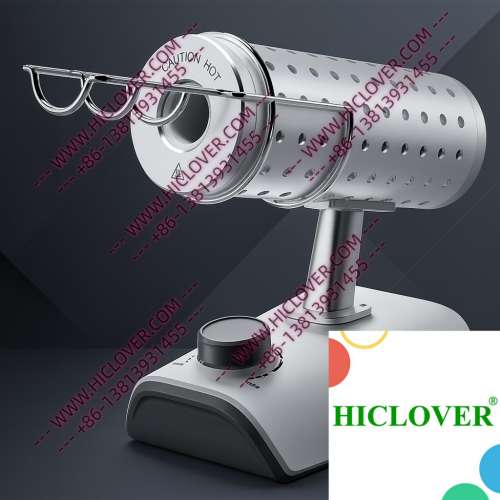
Micro incinerators, also known as infrared inoculating loop sterilizers, represent an innovative leap in laboratory sterilization equipment. These devices operate on the principle of rapid thermal sterilization using infrared heat generated by a ceramic heating chamber. The enclosed ceramic tube allows for high-temperature disinfection, ensuring that tools such as inoculating loops or needles are effectively sterilized without the risks associated with open flames.
- Rapid Thermal Sterilization: Achieves sterilization in seconds.
- Contamination Control: Reduces the likelihood of aerosol generation.
- Clean-bench-safe: Designed for the safe use in clean environments.
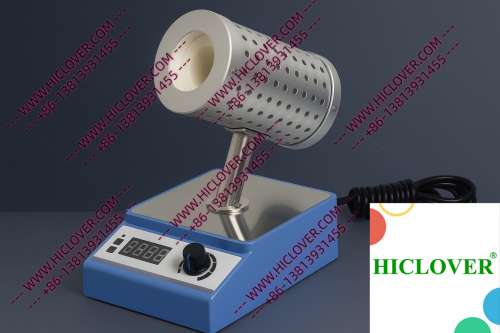
Applications of Micro Incinerators in Laboratories
The versatility of micro incinerators makes them suitable for various laboratory settings. Here are two practical application scenarios that demonstrate their effectiveness:
1. Biosafety Cabinets
In a typical BSL-2 microbiology lab, the micro incinerator is a valuable tool used within biosafety cabinets. It allows researchers to quickly sterilize tools without the risk of flame contaminants or aerosols that can escape into the laminar flow. Its compact design fits easily into the workspace while providing significant efficiency in sterilization workflows.
2. Field Testing Labs
In field testing environments, where portability and rapid sterilization are paramount, micro incinerators excel. Researchers conducting mobile assays for clinical diagnostics can rely on these devices to maintain compliance with biosafety standards in less controlled settings. Their lightweight design means they can be transported easily between sites, while providing consistent sterilization under diverse conditions.
Compliance and Environmental Considerations
Compliance with laboratory sterilization standards is essential in the UK, especially as environmental sustainability becomes a growing concern. The World Health Organization (WHO) has laid out specific biosafety guidelines that laboratories must adhere to, emphasizing the importance of effective sterilization methods that minimize risk and improve safety. Unlike traditional flame burners, which can produce harmful aerosols and leave behind residues, micro incinerators operate without open flames, making them a safer choice in cleanroom environments and minimizing potential contamination.
Biosafety Compliance and Standards
Using micro incinerators aligns with the UK’s health and safety regulations, which emphasize reducing risks associated with laboratory practices. Ensuring that sterilization methods meet these standards is vital, particularly in fields like clinical diagnostics and educational laboratory settings.
“In the pursuit of biomedical safety, it is crucial to adopt innovations that significantly reduce contamination risks.”
– UK Laboratory Biosafety Guidelines
Micro Incinerators vs. Traditional Flame Sterilizers: A Comparison
| Feature | Micro Incinerator | Traditional Flame Sterilizer |
|---|---|---|
| Method of Sterilization | Infrared Heat | Open Flame |
| Temperature Control | Precise and Consistent | Variable |
| Aerosol Generation | No | Yes |
| Portability | High | Medium |
| Safety in Clean Rooms | Suitable | Not Recommended |
FAQs about Micro Incinerators
What are the primary benefits of using a micro incinerator for sterilization?
Micro incinerators provide rapid thermal sterilization, which is effective in eliminating contamination without the risk of flames or aerosols. They are ideal for use in biosafety cabinets and are compliant with WHO biosafety standards.
How long does it take for a micro incinerator to sterilize tools?
Micro incinerators can sterilize tools within seconds, making them highly efficient for laboratory workflows.
Are micro incinerators suitable for teaching labs?
Yes, micro incinerators are safe for use in educational settings due to their ease of operation and the elimination of fire hazards associated with traditional flame sterilizers.
Can micro incinerators be used in field testing environments?
Absolutely! Their lightweight and portable design makes micro incinerators perfect for field testing applications where rapid sterilization is necessary.
What regulations govern the use of sterilization equipment in the UK?
The UK has a rigorous framework of health and safety regulations that govern laboratory practices, including sterilization methods, to ensure biosafety and reduce contamination risks.
Conclusion
In summary, micro incinerators are paving the way for safer, more efficient sterilization practices in UK laboratories. Their advantages over traditional flame sterilizers are clear, particularly in terms of safety, compliance, and workflow efficiency. As the need for effective contamination control continues to grow, investing in a micro incinerator or infrared inoculating loop sterilizer will enhance laboratory operations while aligning with sustainable practices. To explore these options further or make a purchase, please contact us today.
Categories:
Tags: