
In laboratories worldwide, maintaining a sterile environment is pivotal to ensuring accurate results, especially in microbiological studies and health diagnostics. Traditional sterilization methods, while effective, often pose significant safety challenges and procedural inefficiencies. This article explores how Microbial Loop Sterilizers, particularly the innovative Micro Incinerator or Infrared Inoculating Loop Sterilizer, stand at the forefront of revolutionizing lab sterilization equipment, addressing these biosafety challenges head-on.
Laboratory Biosafety Challenges
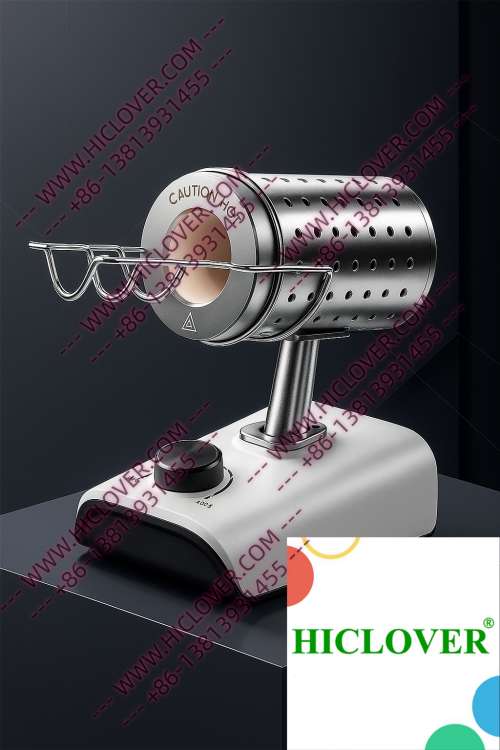
Laboratories, particularly those classified as BSL-2 or BSL-3, face rigorous biosafety regulations that demand stringent contamination control measures. Traditional flame-based sterilization methods, such as alcohol lamps and Bunsen burners, while widely utilized, have significant drawbacks. They not only pose safety hazards due to open flames but also create aerosols that can compromise sterility and increase the risk of inhalational exposure to pathogens. The need for a safer, more efficient, and environmentally friendly method of sterilization is paramount in today’s laboratory environments.
Principles of Micro Incinerator / Infrared Inoculating Loop Sterilizer
The Micro Incinerator operates using the principle of rapid thermal sterilization, utilizing an enclosed ceramic heating chamber that provides infrared high-temperature disinfection. This innovative technology heats inoculating loops, needles, and other small instruments to a precise temperature required for sterilization without the risks associated with open flames. At temperatures exceeding 800°C, microbial contaminants are eradicated almost instantaneously, offering a swift turnaround for laboratory procedures.
Applications in Real Laboratories
- Biosafety Cabinets: The Micro Incinerator fits seamlessly into biosafety cabinets, where sterility is crucial, aiding researchers in maintaining contamination-free environments while working with pathogenic microorganisms. Its aerosol-free operation enhances safety for laboratory personnel.
- Field Testing: In mobile settings, such as field diagnostics for environmental monitoring, the Micro Incinerator provides a compact sterilization solution, allowing field scientists to perform rapid sterilization on-site without the need for bulky or hazardous flame equipment.
- University Teaching Labs: The Micro Incinerator is an ideal choice for educational institutions, enabling students to conduct sterilization processes without the risk associated with flame-based methods. Instructors can teach safe lab techniques while maintaining compliance with laboratory safety standards.
Compliance and Environmental Considerations
Adhering to international biosafety guidelines, such as those recommended by the WHO, is critical for laboratories globally. The absence of flame-based sterilization methods in clean rooms drastically reduces the risk of fire, smoke, or aerosol generation, making the Micro Incinerator an exemplary choice for labs requiring strict compliance with sterilization standards. Traditional flame sterilizers can violate clean room protocols, potentially compromising the efficacy of sensitive experiments. By opting for an infrared sterilization system, laboratories not only enhance their safety protocols but also contribute to environmental sustainability by minimizing hazardous waste associated with alcohol-based flaming methods.
Comparative Efficacy: Micro Incinerator vs. Traditional Flame Sterilizers
| Feature | Micro Incinerator | Flame Burners |
|---|---|---|
| Heat Output | 800°C | Varies, generally less than 800°C |
| Aerosol Generation | None | High |
| Safety Risk | Minimal | High (open flame) |
| Ease of Use | Simple, one-touch operation | Requires skill and experience |
| Environmental Impact | Lower | Higher (fuel/resource consumption) |
FAQs
1. What makes the Micro Incinerator safer than flame-based sterilizers?
The Micro Incinerator eliminates the risk associated with open flames, reducing the potential for fire hazards, aerosols, and inhalation exposure to pathogens.
2. Can the Micro Incinerator be used in BSL-3 labs?
Yes, the Micro Incinerator is suitable for BSL-3 labs as it complies with stringent biosafety standards and enhances sterile working conditions.
3. What types of instruments can be sterilized using the Micro Incinerator?
It is ideal for sterilizing inoculating loops, needles, and small surgical instruments quickly and effectively.
4. How does the Micro Incinerator contribute to environmental sustainability?
By minimizing hazardous waste and eliminating the use of flammable alcohol, the Micro Incinerator is a safer, eco-friendly alternative in laboratory settings.
5. Where can I purchase the Micro Incinerator?
The Micro Incinerator is available through laboratory supply distributors, online platforms, and specialized equipment manufacturers for laboratories and educational institutions.
Conclusion
As laboratories continue to evolve towards enhanced safety and efficiency, the Microbial Loop Sterilizer exemplifies a significant step forward. With its advanced technology, safety features, and compliance with global biosafety standards, the Micro Incinerator is an excellent solution for any laboratory environment. For more information or to procure your Micro Incinerator today, contact us to learn more about how this innovative sterilization equipment can benefit your laboratory operations.
Categories:
Tags: