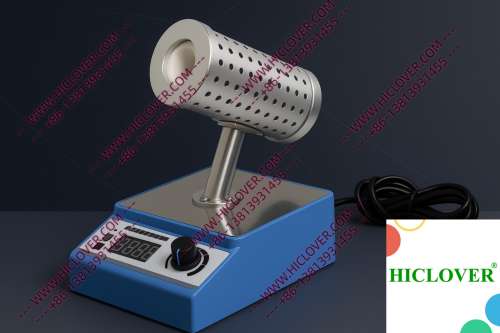
In the realm of microbiology, the integrity of laboratory practices is paramount. Laboratory biosafety challenges are often amplified when it comes to sterilization workflows. Maintaining a sterile environment is critical for preventing contamination, especially in settings like BSL-2 and BSL-3 microbiology labs, where pathogenic organisms are handled. This is where innovative solutions like the Micro Incinerator, or Infrared Inoculating Loop Sterilizer, come into play, transforming sterilization processes in pharmaceutical and laboratory practices.
Understanding Micro Incineration Technology
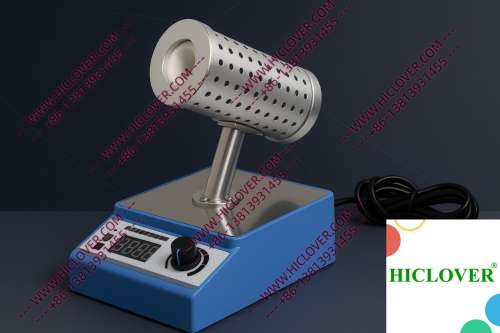
The Micro Incinerator operates on the principle of rapid thermal sterilization using infrared heat. This technology harnesses an enclosed ceramic heating chamber that reaches extremely high temperatures in a matter of seconds. Unlike traditional sterilizers that rely on flames, the Micro Incinerator is designed for clean-bench-safe operations, ensuring that no open flames contribute to aerosol dispersion, which is a significant concern in maintaining contamination control.
The configuration of the Micro Incinerator features a rugged ceramic tube that allows for efficient and even distribution of heat. The infrared heating element rapidly achieves temperatures that guarantee the eradication of microbes, making it ideal for use in laboratories where sterilization speed and safety are paramount.
Application Scenarios in Real Labs
1. Field Testing Labs
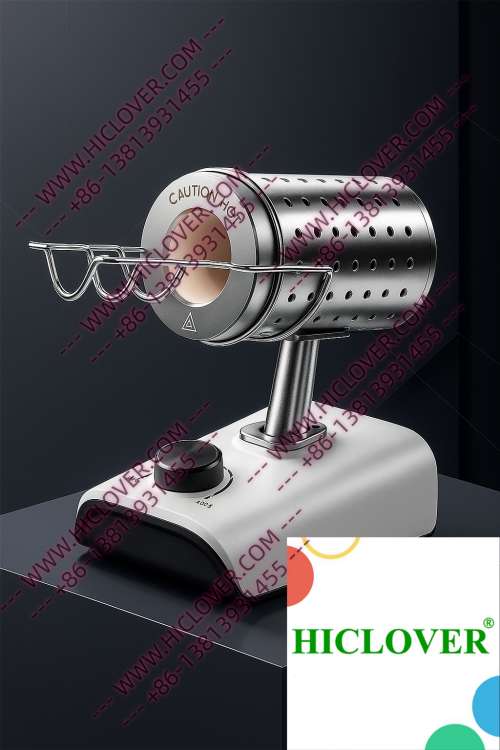
In mobile or field testing labs, researchers often face unique challenges related to sterilization. The lightweight and portable design of the Micro Incinerator allows for effective sterilization of inoculating loops in remote locations, where traditional sterilization methods may be impractical. Field researchers can ensure the integrity of their samples through reliable sterilization, avoiding cross-contamination during critical tests.
2. University Teaching Labs
University teaching labs also benefit significantly from the Micro Incinerator. In an academic environment, where students are learning microbiology techniques, safety and efficiency are crucial. The Micro Incinerator eliminates the risks associated with glass alcohol lamps or Bunsen burners, providing a safe, user-friendly option for sterilizing tools. Instructors can demonstrate the importance of proper sterilization techniques without the hazards of open flames, enhancing the overall educational experience.
Compliance and Environmental Standards
Compliance with biosafety standards is crucial in laboratory settings. The World Health Organization (WHO) guidelines for laboratory biosafety recommend the use of flameless sterilization methods in cleanroom environments to avoid aerosol generation. The Micro Incinerator adheres to these directives, providing a solution that minimizes environmental impact and ensures laboratory safety.
In addition to WHO standards, the Micro Incinerator complies with lab sterilization benchmarks, allowing laboratories to integrate a safer, more efficient sterilization workflow without compromising safety or causing environmental stress.
Advantages Over Traditional Flame Sterilizers
The Micro Incinerator’s advantages over traditional flame sterilizers like alcohol lamps or Bunsen burners are significant and multifaceted:
- Rapid Sterilization: Achieves sterilization quickly with minimal wait time.
- Safe Usage: No open flames, reducing the risk of fire hazards and aerosol generation.
- Easier Operations: User-friendly interface designed for efficiency, especially in high-throughput environments.
- Cost-Effective: Reduces the need for multiple sterilization tools, consolidating sterilization processes.
- Consistent Performance: Delivers reliable temperatures for effective sterilization each time.
Comparison Table: Micro Incinerator vs. Traditional Flame Burners
| Feature | Micro Incinerator | Flame Burner |
|---|---|---|
| Heat Source | Infrared | Open Flame |
| Time to Sterilize | Seconds | Minutes |
| Biosafety Compliance | Yes | No |
| Risk of Contamination | Low | High |
| Portability | High | Low |
FAQs About Micro Incinerators
- What is the maximum temperature a Micro Incinerator can reach?
The device can achieve up to 800°C, ensuring effective sterilization. - Is the Micro Incinerator suitable for all types of lab environments?
Yes, it is perfect for BSL-2 and BSL-3 labs, teaching facilities, and even mobile labs. - How does the Micro Incinerator compare to traditional methods in terms of cost?
While initial investments may be higher, long-term savings in operational costs make it a cost-effective choice. - What maintenance is required for the Micro Incinerator?
Minimal maintenance is required; regular cleaning of the ceramic tube is recommended. - Can the Micro Incinerator operate continuously, or does it require downtime?
The device is designed for continuous operation, making it ideal for high-volume labs.
Conclusion
As laboratories continue to evolve, the importance of effective sterilization solutions cannot be overstated. The Micro Incinerator, with its innovative technology and commitment to safety, sets a new standard in laboratory and pharmaceutical practices. Whether you are in a clinical diagnostic lab, a university setting, or conducting field tests, integrating the Micro Incinerator into your sterilization workflow can drastically enhance both safety and efficiency. To explore purchasing options or to learn more about this essential laboratory equipment, please contact us today.
Categories:
Tags: