
The outbreak of COVID-19 has brought unprecedented challenges to laboratory biosafety across France. With the need for rapid and effective sterilization procedures, laboratories are tasked with maintaining rigorous standards for contamination control. Among the various sterilization solutions available, the Micro Incinerator or Infrared Inoculating Loop Sterilizer stands out as a vital tool in ensuring the integrity of research operations.
Understanding the Technical Principles
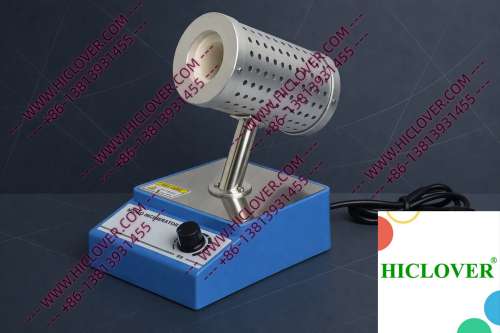
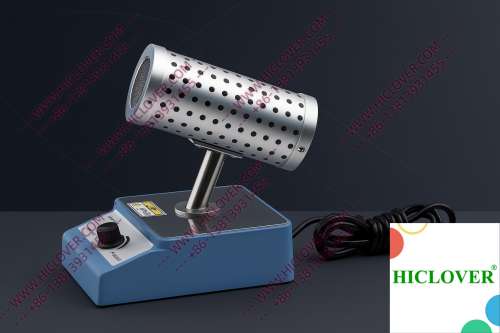
The Infrared Inoculating Loop Sterilizer operates on the principle of rapid thermal sterilization. Utilizing a ceramic heating chamber, it achieves high temperatures in seconds, effectively eliminating microbial contaminants from inoculating loops and other lab utensils. Unlike traditional flame sterilizers, which rely on open flames, infrared sterilizers provide a clean-bench-safe environment ideal for sensitive research scenarios.
- Infrared Heating: Generates concentrated heat without risk of aerosolization.
- Enclosed Ceramic Tube: Prevents accidental spills and maintains a controlled thermal environment.
- Rapid Response: Instantly reaches sterilization temperatures, streamlining laboratory workflows.
Practical Applications in Laboratories
Laboratories in France are increasingly implementing Micro Incinerator devices in several scenarios, each necessitating precise sterilization methods to uphold biosafety standards. Below are two key application scenarios:
Field Testing in Mobile Labs
In mobile field testing labs, particularly those involved in COVID-19 research, the risk of cross-contamination is high. By employing a Micro Incinerator, researchers can sterilize their inoculating loops rapidly—ensuring that samples collected in the field are not contaminated by previous test materials. This is critical in maintaining the accuracy and reliability of test results collected in different environments.
University Teaching Labs
Universities hosting microbiology courses also benefit from incorporating infrared inoculating loop sterilizers into their teaching labs. Students can engage with the sterilization process safely and efficiently, using devices that minimize risk in an educational environment. This hands-on experience with advanced sterilization technology fosters a deeper understanding of essential lab practices, essential for future graduates entering biosafety-intensive fields.
Compliance and Environmental Standards
Adherence to biosafety standards set forth by the World Health Organization (WHO) is paramount for laboratories involved in infectious disease research. Regulations necessitate the use of sterilization techniques that do not compromise air quality and safety within laboratory environments, such as clean rooms and biosafety cabinets. Infrared sterilizers operate with no open flame, thereby reducing the risk of contamination through aerosols—an important consideration in BSL-2 and BSL-3 microbiology labs.
Key Compliance Advantages
- No open flames—reducing the risk of fire and contamination.
- Accurate temperature control—ensures reliable penetration and thermal disinfection.
- Immediate readiness—supports quick responses to new sample collections.
Comparison: Micro Incinerator vs. Traditional Flame Sterilizers
| Feature | Micro Incinerator | Flame Sterilizer |
|---|---|---|
| Heat Source | Infrared ceramic | Open flame (Bunsen burner) |
| Risk of Contamination | Low | Higher |
| Speed of Sterilization | Instant | Variable |
| Ease of Use | User-friendly | Requires skill |
Frequently Asked Questions
What makes a Micro Incinerator safer than a flame sterilizer?
The Micro Incinerator eliminates the risk associated with open flames, reducing the potential for aerosol generation and subsequent contamination, making it much safer for laboratory use.
How fast can a Micro Incinerator reach sterilization temperatures?
Micro Incinerators can reach effective sterilization temperatures within seconds, significantly improving laboratory workflow efficiency.
Are there specific labs in France that have implemented Micro Incinerators?
Yes, many French universities and emergency response laboratories have integrated Micro Incinerators into their practices to enhance biosafety in microbiological research.
Can a Micro Incinerator be used in clean rooms?
Absolutely! Micro Incinerators are designed to comply with clean room standards, as they do not produce open flames or aerosols.
Are there training resources for using a Micro Incinerator effectively?
Most manufacturers provide training materials and guidelines for optimal usage, ensuring users can maximize safety and efficiency.
Conclusion
In today’s fast-paced research environment, particularly in the face of global challenges like COVID-19, the need for effective laboratory sterilization methods cannot be overstated. The Micro Incinerator / Infrared Inoculating Loop Sterilizer offers a forward-thinking solution that meets compliance requirements while enhancing laboratory safety and workflow. For laboratories in France looking to upgrade their sterilization methods, investing in this innovative technology can significantly improve biosafety measures. For more information or to place an order, please contact us today!
Categories:
Tags: