
In the ever-evolving landscape of laboratory biosafety, the challenges surrounding sterilization workflows continue to mount. With the need for rapid and efficient sterilization methods growing, especially in settings like BSL-2 and BSL-3 microbiology labs, traditional methods such as alcohol lamps and Bunsen burners are proving inadequate. The emergence of innovative solutions, like the Micro Incinerator / Infrared Inoculating Loop Sterilizer, presents a pathway to enhance both safety and compliance while minimizing environmental impact.
Understanding the Technical Principles Behind Micro Incinerators
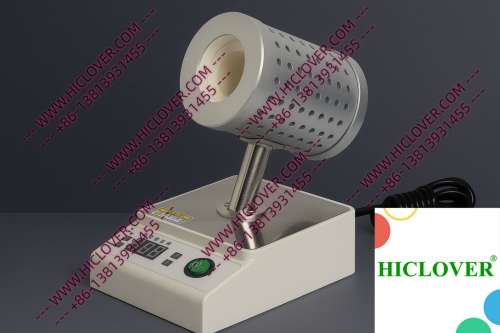
The Micro Incinerator operates through the principle of infrared heat generated within an enclosed ceramic tube. This unique design allows for rapid thermal sterilization, providing a clean and efficient method to eliminate bacterial and viral contamination. Unlike conventional flame sterilizers, the infrared technology ensures that heat is concentrated directly on the inoculating loop or tool, allowing for effective disinfection without risk of collateral damage to nearby samples or surfaces.
Advantages of Micro Incinerators Over Traditional Flame Sterilizers
- Environmentally Friendly: Reduced emissions and lower heat waste.
- Aerosol-Free Handling: Eliminates risk of aerosol generation associated with open flames.
- Consistent Temperature Control: Provides uniform heat for reliable sterilization.
- Cleansing Without Flame: Ideal for clean rooms and sensitive environments.
- Compact Design: Suitable for lab bench space, facilitating optimal workflow.
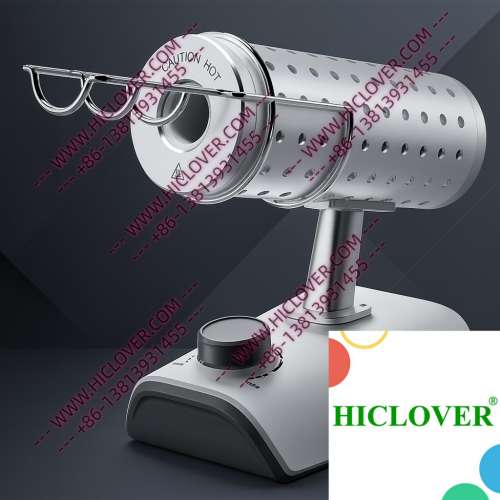
When comparing the use of a Micro Incinerator versus traditional flame burners, the table below summarizes some critical differences:
| Feature | Micro Incinerator | Flame Burners |
|---|---|---|
| Heat Source | Infrared | Open Flame |
| Emission | Low | High |
| Operational Safety | Safer in clean environments | Higher risk of fire |
| Efficiency | Rapid sterilization | Slower |
Application Scenarios: Practical Uses in Laboratories
Micro Incinerators have found their niche in various laboratory settings, enhancing sterilization processes in ways traditional methods cannot. Let’s explore two specific application scenarios:
1. Laboratory Teaching Labs
In educational environments, where students are introduced to microbiology practices, ensuring biosafety is paramount. In university teaching labs, the Micro Incinerator enables students to practice contamination control effectively. This equipment’s clean-bench-safe design allows for sterilization without exposing students to harmful open flames, thereby enhancing safety.
2. Mobile Field Testing Labs
Field testing presents unique challenges; conditions are often far from ideal. Mobile labs operating in remote areas require reliable sterilization solutions that consume less energy. The Micro Incinerator’s lightweight, compact form factor makes it an excellent choice, offering efficient, infrared high-temperature disinfection while being portable enough for remote operations. This capability is especially important for clinical diagnostics and environmental sample collection in the field.
Compliance and Environmental Responsibility
As laboratory safety standards evolve, compliance with guidelines set forth by organizations like the World Health Organization (WHO) has become increasingly important. The WHO emphasizes the need for effective methods of sterilization to handle medical waste, particularly in labs dealing with infectious waste. The Micro Incinerator meets these requirements by reducing the risk of contamination and providing a method for sterilization without the creation of harmful by-products.
Furthermore, in clean rooms and specialized laboratory environments where traditional flame sterilizers are prohibited due to fire hazards, the Micro Incinerator becomes invaluable. Its adherence to lab sterilization standards means that laboratories can contribute to minimization of their environmental impact while meeting compliance requirements.
FAQs About Micro Incinerators
1. What is a Micro Incinerator?
A Micro Incinerator is an infrared inoculating loop sterilizer that uses concentrated heat to achieve rapid microbial disinfection without the use of open flames.
2. How does it reduce environmental impact?
By using infrared heating, Micro Incinerators produce lower emissions and minimize the risk of aerosol contamination, thereby promoting safer waste handling and disposal practices.
3. Is it effective in BSL-2 and BSL-3 labs?
Yes, the Micro Incinerator is designed to meet the rigorous biosafety standards required in BSL-2 and BSL-3 laboratories, making it an excellent choice for high-containment operations.
4. Can it be used in mobile labs?
Absolutely! Its compact design and lightweight nature make it an ideal sterilization solution for mobile and field testing laboratories.
5. What maintenance does a Micro Incinerator require?
Generally, maintenance involves regular cleaning of the ceramic tube and ensuring proper functioning of the infrared elements. Always refer to the manufacturer’s guidelines for specific procedures.
Conclusion
The integration of Micro Incinerators in laboratory settings not only enhances biosafety but also significantly minimizes the environmental impact associated with medical waste. By adopting this innovative sterilization method, laboratories can ensure compliance with safety standards while maintaining efficient workflows.
If you’re looking to upgrade your laboratory sterilization equipment or are interested in purchasing a Micro Incinerator, don’t hesitate to reach out for further information and assistance!
Categories:
Tags: