
In today’s fast-paced scientific landscape, laboratories face increasing pressure to ensure a contamination-free environment for their research needs. Biosafety challenges are ever-present, particularly with the rising complexity of experiments in BSL-2 and BSL-3 environments. Traditional flame sterilizers, such as alcohol lamps and Bunsen burners, fall short in meeting modern sterilization workflow demands. As such, innovative solutions are required—enter the Micro Incinerator or Infrared Inoculating Loop Sterilizer, designed to redefine laboratory sterilization.
Understanding the Technology: Infrared Heat and Enclosed Ceramic Tubes
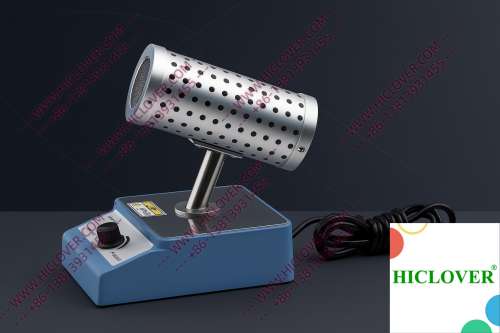
The Micro Incinerator employs infrared heat, providing a reliable method for rapid thermal sterilization. Unlike traditional flame methods, which can produce aerosols and introduce contaminants into the clean environment, infrared sterilizers utilize an enclosed ceramic tube that heats up quickly and uniformly. This high-temperature disinfection process eliminates microbial life effectively while minimizing the risk of flame-related accidents and contamination.
The Micro Incinerator’s core configuration includes:
- **Ceramic Heating Chamber:** Ensures rapid and consistent heating.
- **Temperature Control Settings:** Offers precision to accommodate various sterilization needs.
- **Aerosol-Free Operation:** Enhances safety in clean bench applications.
- **Compact Design:** Ideal for mobile or field testing labs.
- **Energy Efficient:** Reduces environmental impact compared to traditional flames.
- **WHO Guidelines on Biosafety:** Emphasizes the importance of contamination control.
- **ISO 14644:** Sets standards for cleanroom operations that prohibit open flames.
- **BMBL (Biosafety in Microbiological and Biomedical Laboratories):** Stipulates sterilization practices in BSL-2 and BSL-3 settings.
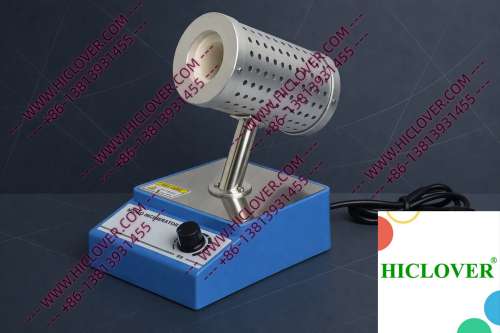
Real-World Applications in Research Labs
Let’s delve into two prominent scenarios where the Micro Incinerator shines as a preferred sterilization solution:
Biosafety Cabinets in Microbiology Labs
In microbiology labs operating under stringent biosafety regulations, the Micro Incinerator serves as an essential component of contamination control. When utilized within biosafety cabinets, it effectively sterilizes inoculating loops and other tools without introducing additional hazards. The closed design of the sterilizer ensures the integrity of the biosafety cabinet environment while its rapid heating capabilities reduce downtime between inoculations, enabling higher throughput in research workflows.
Field Testing and Mobile Research Labs
In field-testing scenarios, such as environmental microbiology or clinical diagnostics, researchers encounter unique challenges while maintaining biosafety. The portability of the Micro Incinerator makes it an invaluable tool on-site, allowing for safe and quick disinfection of tools without the need for bulky, flammable materials. This capability enables effective contamination control, ensuring reliable results even in challenging environments.
Compliance with Global Biosafety Standards
Adhering to established laboratory sterilization standards is critical for maintaining safety and compliance in scientific research. Organizations like the World Health Organization (WHO) set guidelines that prioritize the reduction of bioaerosol exposure and recommend the use of devices that minimize risk. The Micro Incinerator not only meets these standards but excels in minimizing flame use in clean rooms, where any open flame introduces additional hazards and compromises the sterile environment.
Key Biosafety Compliance References:
Micro Incinerator vs. Traditional Flame Sterilizers
To illustrate the advantages of the Micro Incinerator, consider the following comparison with traditional flame sterilizers:
| Feature | Micro Incinerator | Traditional Flame Sterilizers |
|---|---|---|
| Heat Source | Infrared | Open Flame |
| Sterilization Speed | Rapid | Slower |
| Aerosol Production | None | High |
| Mobility | Portable | Bulky |
| Compliance with Cleanroom Standards | Yes | No |
FAQs about Micro Incinerator and Laboratory Sterilization
What are the primary benefits of using a Micro Incinerator in a laboratory setting?
The primary benefits include rapid sterilization, aerosol-free operation, compliance with biosafety standards, and increased safety in cleanroom environments.
How does the Micro Incinerator compare to other sterilization methods?
Compared to traditional flame methods, the Micro Incinerator is more efficient, safer, and compliant with sterile conditions, making it ideal for modern laboratory workflows.
Can the Micro Incinerator be used in field laboratories?
Yes, its compact and portable design makes it suitable for field testing labs, ensuring effective sterilization without compromising safety.
What maintenance is required for a Micro Incinerator?
Routine cleaning of the ceramic tube and periodic checks of electrical components are recommended to maintain optimal performance.
Is the Micro Incinerator suitable for BSL-3 labs?
Absolutely, it complies with the strict standards required for BSL-3 laboratories, providing safe and effective sterilization without open flames.
Conclusion: Embrace the Future of Laboratory Sterilization
As lab environments evolve, the need for innovative and safe sterilization solutions becomes paramount. The Micro Incinerator delivers a state-of-the-art alternative to traditional flame sterilizers, enhancing contamination control in various settings—from university teaching labs to advanced clinical diagnostics. If you’re looking to upgrade your laboratory sterilization equipment, contact us today to learn more about the Micro Incinerator and how it can benefit your research operations.
Categories:
Tags: