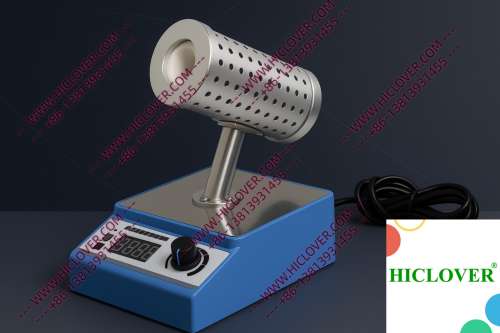
In today’s clinical environment, laboratory biosafety is more crucial than ever. Hospitals and research centers face mounting pressure to ensure that all biological materials are handled in a safe manner, minimizing contamination risks during sample preparation and analysis. Traditional sterilization methods, such as Bunsen burners and alcohol lamps, can pose significant challenges regarding workflow efficiency and contamination control. As a result, enhanced laboratory sterilization equipment like the Micro Incinerator or Infrared Inoculating Loop Sterilizer emerges as a practical solution tailored for Mombasa’s healthcare landscape.
Understanding Micro Incinerator Technology
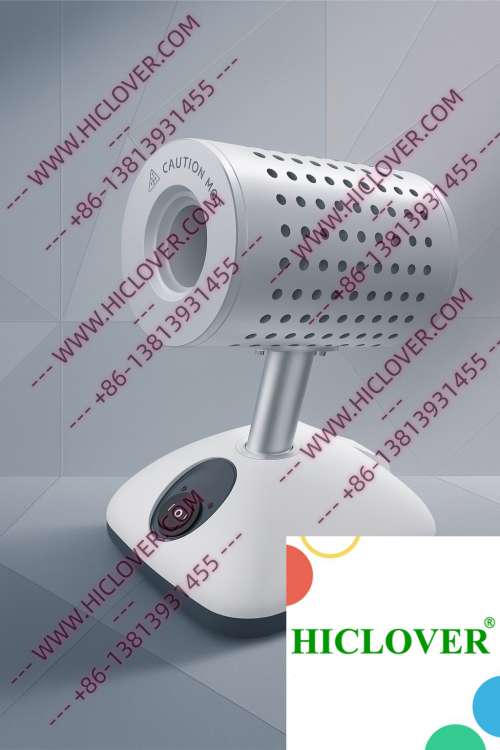
The Micro Incinerator utilizes infrared heat technology, which provides rapid thermal sterilization, ensuring that instruments used in a laboratory setting are effectively disinfected. This device is equipped with a ceramic heating chamber nestled within an enclosed tube, capable of reaching temperatures high enough to eliminate a broad spectrum of microbial life swiftly. Unlike traditional flame sterilizers, the Micro Incinerator’s enclosed design minimizes aerosol generation, significantly enhancing safety in even the most fragile laboratory environments.
Advantages Over Traditional Flame Sterilizers
- Faster sterilization cycles
- Reduced risk of accidents and burns
- No flammable gases required
- Portable design suits various lab settings
- Cleaner operation minimizes contamination risk
- What is the primary advantage of using a Micro Incinerator over traditional sterilizers?
It offers rapid thermal sterilization, enhanced safety due to the absence of open flames, and improved workflow efficiency. - How does the Micro Incinerator manage contamination?
Its enclosed design minimizes aerosol generation, making it safer for use in biosafety cabinets and clean environments. - Is the Micro Incinerator suitable for field usage?
Yes, its portable nature allows it to be effectively utilized in remote locations, making it ideal for field testing lab environments. - What is the compliance status of the Micro Incinerator?
The device complies with international biosafety standards and is suitable for BSL-2 and BSL-3 laboratories. - How does the cost of a Micro Incinerator compare with traditional sterilizers?
While initial costs may be higher, significant savings in operational efficiency and reduced contamination risks provide long-term financial benefits.
These features mark a significant evolution in laboratory sterilization. Mombasa’s hospitals, particularly those outfitted for clinical diagnostics, must invest in solutions that not only enhance worker safety but streamline workflows.
Application Scenarios in Laboratory Settings
1. Biosafety Cabinets
Biosafety cabinets are pivotal in microbiology labs, especially in BSL-2 and BSL-3 environments. The Micro Incinerator fits seamlessly within these cabinets, providing clean-bench-safe sterilization for inoculating loops and other small instruments. The lack of open flames significantly reduces the risk of accidental ignitions or contamination. For instance, during microbial assays, the rapid heating offered by infrared technology allows researchers to maintain their pace without compromising biosafety.
2. Field Testing Laboratories
In field testing scenarios, particularly in the environmental monitoring of pathogens, portability is essential. The compact design of the Micro Incinerator allows researchers to transport sterilization equipment to remote locations. This is critical in ensuring that samples collected from the field are handled with the utmost care and efficiency. The device’s ability to operate independently from electrical sources makes it ideal for rural healthcare settings in Kenya, where access to such technologies is limited.
Compliance and Environmental Considerations
Compliance with biosafety standards is non-negotiable in laboratory environments. The World Health Organization (WHO) provides stringent guidelines on laboratory sterilization practices, emphasizing the importance of utilizing equipment that mitigates risk. Moreover, using flame sterilizers in clean rooms is generally discouraged due to the potential for ignition hazards and the production of aerosols. The Micro Incinerator helps ensure that laboratories comply with relevant sterilization standards while promoting an environmentally friendly approach to biotech research.
Cost Insights: Investment Versus Long-Term Savings
The acquisition of advanced sterilization equipment like the Micro Incinerator entails an initial cost that can seem daunting. However, the long-term benefits of investing in mobile lab sterilizers far outweigh the upfront expenses. By reducing equipment damage, preventing contamination, and minimizing operating costs associated with traditional sterilization methods, labs can expect to see a positive return on investment. Notably, reduced liability from accidents or non-compliance incidents can further justify the expense.
FAQs
Conclusion
As laboratories in Mombasa continue to evolve in their approach to biosafety and efficiency, mobile lab sterilizers like the Micro Incinerator stand out as an invaluable asset. With their ability to ensure rapid thermal sterilization, improve workflow, and maintain compliance with international standards, it is clear that investing in such technology is not just a matter of safety—it’s a strategic decision for the future of laboratory operations. For hospitals and research centers looking to enhance their sterilization processes, we encourage you to contact our sales team for more information on procuring this essential equipment.
Categories:
Tags: