
Laboratory Biosafety Challenges in Sterilization Workflows
In today’s laboratories, the need for stringent biosafety measures and efficient sterilization workflows is paramount. From BSL-2 to BSL-3 labs, microbiologists and clinical diagnostics personnel face ongoing challenges when it comes to contamination control and rapid thermal sterilization of inoculating loops. Traditional methods like alcohol lamps and Bunsen burners often introduce risks of open flames, which are not compatible with the sterile environments needed for accurate testing and research.
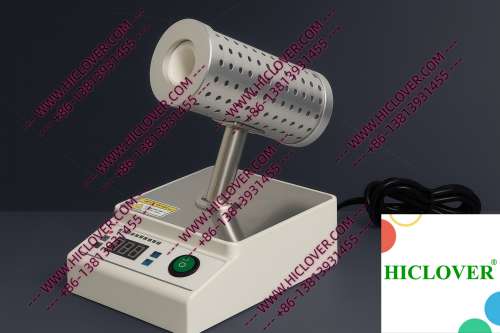
The Technical Advantages of Micro Incinerators
Enter the Micro Incinerator, a revolutionary piece of laboratory sterilization equipment. Utilizing infrared high-temperature disinfection, this device effectively sterilizes inoculating loops and tools in seconds without the cumbersome issues associated with flames. The design features an enclosed ceramic heating chamber that provides consistent and rapid heat, ensuring complete eradication of microorganisms without producing aerosols.
How Infrared Technology Enhances Safety
The technical principle of infrared heat allows for deep penetration sterilization, ensuring that tools are completely sterilized without risk of ignition or contamination from burning materials. With the infrared micro incinerator, laboratory staff can operate it within clean-bench environments where open flames are prohibited, meeting critical safety and compliance requirements.
Real-World Applications of Micro Incinerators
1. Biosafety Cabinets
In clinical labs and research facilities, the Micro Incinerator is increasingly utilized in biosafety cabinets. These settings require strict contamination control and the safest sterilization solutions available. As lab workers perform tasks with various microbial samples, the quick sterilization process of the micro incinerator allows them to minimize cross-contamination risks effectively.
2. University Teaching Laboratories
In educational settings, the Micro Incinerator provides a user-friendly alternative to traditional flame sterilizers. Teaching labs at universities can adopt this equipment to enhance safety and ensure compliance with biosafety regulations. Students can learn proper sterilization techniques using the micro incinerator, preparing them for future laboratory roles without exposing them to the hazards associated with open flames.
Compliance and Environmental Factors
Regulatory bodies such as the World Health Organization (WHO) set strict guidelines regarding laboratory sterilization protocols to minimize biological hazards. Compliance with these regulations is critical, especially in laboratories handling pathogens or conducting medical testing. The Micro Incinerator not only meets WHO biosafety standards but also eliminates the potential contamination issues connected with flame sterilizers that may produce soot or other hazardous residues.
Comparative Analysis: Micro Incinerators vs. Traditional Flame Sterilizers
| Feature | Micro Incinerator | Flame Sterilizers |
|---|---|---|
| Heat Source | Infrared | Open Flame |
| Contamination Control | Aerosol-free | Higher risk |
| Time Efficiency | Rapid (<5 seconds) | Variable (8-20 seconds) |
| Safety | Clean-bench-safe | Hazardous in clean rooms |
Frequently Asked Questions
- What is a Micro Incinerator?
A Micro Incinerator is a laboratory sterilization device that uses infrared heat for rapid, efficient sterilization of inoculating loops and other tools. - How does the Micro Incinerator maintain compliance?
It adheres to WHO biosafety standards by eliminating open flames, ensuring aerosol-free operation, and promoting cleanliness in sensitive lab environments. - Can Micro Incinerators be used in teaching labs?
Yes, they are ideal for educational purposes as they allow students to practice safe sterilization techniques without exposure to open flame hazards. - What are the benefits of infrared heating in sterilization?
Infrared heating enables quicker sterilization times and deeper heat penetration compared to traditional flame methods, improving overall safety and effectiveness. - Are Micro Incinerators suitable for BSL-2 and BSL-3 labs?
Absolutely! They meet stringent biosafety requirements and provide an effective solution for sterilization in higher containment laboratories.
Conclusion: Elevate Your Laboratory’s Sterilization Standards
As laboratories continue to prioritize biosafety and compliance, the adoption of Micro Incinerators can significantly enhance sterilization workflows and help mitigate contamination risks. With advanced technology and numerous application scenarios, investing in a Micro Incinerator will not only ensure that your laboratory meets necessary regulations but also promotes a culture of safety and efficiency.
Ready to transform your laboratory sterilization process? Contact us today for more information on our Micro Incinerator offerings and enhance your compliance and biosafety standards.
Categories:
Tags: