
In the ever-evolving landscape of laboratory settings, maintaining sterilization and biosafety is paramount. Laboratories face numerous biosafety challenges, particularly concerning contamination control during sterilization workflows. Traditional methods, such as alcohol lamps or Bunsen burners, often present risks with open flames, producing aerosols and compromising sterile environments. In this context, micro incinerators, especially infrared inoculating loop sterilizers, emerge as innovative solutions that cater to both compliance requirements and operational efficiency.
Technical Principles of Micro Incinerators
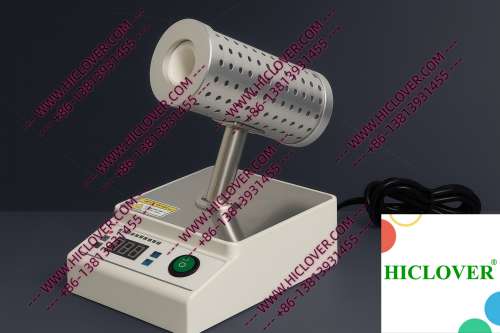
Micro incinerators operate on the principle of rapid thermal sterilization through the use of infrared heat technology. These devices consist of an enclosed ceramic heating chamber that achieves high temperatures rapidly – typically exceeding 800°C in mere seconds. This method assures complete sterilization without the risks associated with conventional flame-based systems.
The heating element, often made of advanced ceramics, ensures uniform temperature distribution, allowing for effective sterilization of inoculating loops, needles, and other tools. The design facilitates aerosol-free handling, which is crucial for maintaining a clean environment, especially in BS-L2 and BS-L3 microbiology labs.
Applications of Micro Incinerators in Real Labs
1. Biosafety Cabinets
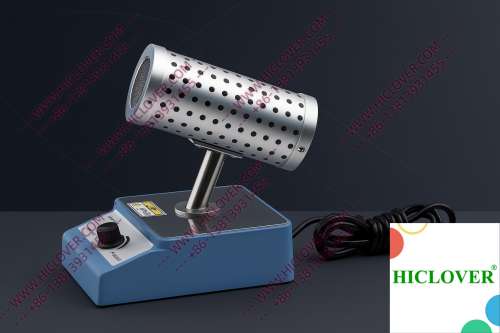
In modern laboratory environments, biosafety cabinets (BSCs) are a key component for protecting both the operator and the samples. Integrating a micro incinerator within a BSC ensures that sterilization occurs without introducing contaminants into the sterile workspace. For example, lab technicians can quickly sterilize inoculating loops within the BSC while conducting microbial assays, significantly reducing the risk of cross-contamination.
2. Field Testing and Mobile Labs
Field testing presents unique sterilization challenges due to variable environments. Micro incinerators are portable and easy to deploy, making them ideal for mobile laboratories. For instance, when collecting samples in remote locations, researchers can rapidly sterilize tools on-site, ensuring that collected materials remain uncontaminated. This capability is invaluable for clinical diagnostics in challenging environments, such as epidemic response scenarios.
Compliance and Environmental Considerations
Adhering to biosafety standards is crucial for laboratories aiming to protect not only their research but also the health of their personnel and the surrounding community. The World Health Organization (WHO) emphasizes strict adherence to biosafety guidelines to ensure that lab sterilization procedures comply with international best practices.
Moreover, regulations pertaining to sterile environments, particularly in clean rooms, necessitate the use of non-flame sterilization methods. Micro incinerators provide an alternative that meets these compliance requirements while ensuring that there is no generation of aerosols that could compromise the sterile workspace.
Micro Incinerator vs. Traditional Flame Sterilizers
| Feature | Micro Incinerator | Flame Sterilizers |
|---|---|---|
| Temperature Control | Highly controlled, consistent | Varies widely, harder to control |
| Aerosols | Aerosol-free | Produces aerosols |
| Safety | Safe for clean rooms | Fire hazard, unsafe in BSCs |
| Energy Efficiency | Rapid heating, energy-efficient | Constant fuel supply required |
| Ease of Use | One-button operation | Requires skill to operate |
Frequently Asked Questions
- Q: What are the primary advantages of using a micro incinerator over a traditional flame sterilizer?
- A: Micro incinerators provide consistent, high-temperature sterilization without the risk of aerosols or fire hazards, making them safer and more compliant with biosafety regulations.
- Q: Can micro incinerators be used in a mobile lab setting?
- A: Yes, due to their lightweight and portable design, micro incinerators are ideal for field testing and mobile laboratory environments.
- Q: Are there specific compliance standards for sterilization equipment in laboratories?
- A: Yes, laboratories must comply with WHO biosafety guidelines and maintain adherence to sterilization standards applicable to their specific environment, such as clean rooms.
- Q: How do micro incinerators improve workflow in laboratory settings?
- A: They reduce the time taken for sterilization and eliminate the need for handling flammable materials, thus streamlining the process and enhancing safety across workflows.
- Q: What types of tools can be sterilized using a micro incinerator?
- A: Inoculating loops, needles, and other small laboratory instruments can be effectively sterilized using micro incinerators.
Conclusion: Enhance Your Lab’s Compliance and Efficiency Today
Incorporating a micro incinerator into your laboratory’s sterilization protocol represents a significant leap towards enhanced biosafety and operational efficiency. With strict adherence to compliance requirements and the myriad benefits of reduced contamination risks, these innovative tools should be a priority for any laboratory—be it in hospitals, universities, or research facilities. Explore our range of infrared inoculating loop sterilizers and witness the transformational difference it can bring to your lab operations. Contact us today to learn more about how we can support your laboratory needs!
Categories:
Tags: