
Laboratory biosafety challenges have evolved significantly in recent years, placing heightened demands on sterilization workflows. The increasing need for effective sterilization solutions is especially critical in microbiological, clinical, and university teaching labs. This article focuses specifically on one of the unsung heroes of the lab sterilization equipment arsenal: the Micro Incinerator, also known as the Infrared Inoculating Loop Sterilizer. This innovative device not only meets stringent sterilization standards but also enhances lab efficiency and safety.
Understanding the Micro Incinerator’s Technical Principles
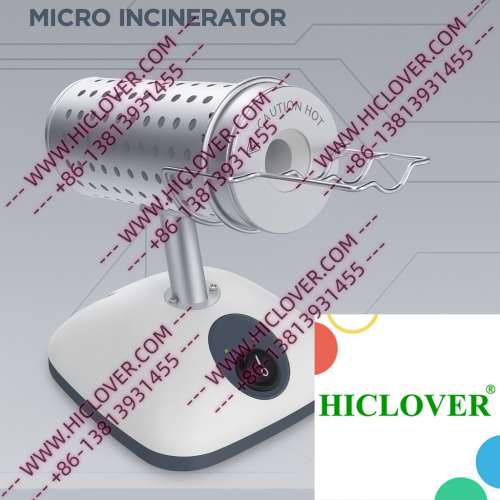
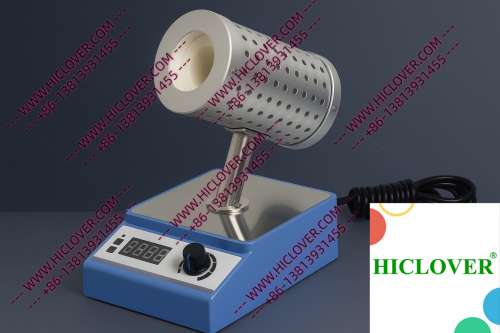
The Micro Incinerator operates using advanced infrared technology, generating rapid thermal sterilization through an enclosed ceramic heating chamber. By employing a high-temperature disinfection method, it minimizes contamination control risks while ensuring effective sterilization of inoculating loops, needles, and other lab instruments. Unlike traditional flame sterilizers, which can produce harmful aerosols and present risks in clean-room environments, the micro incinerator provides a clean-bench-safe solution conducive to meeting biosafety demands.
Application Scenarios in Real Labs
- Biosafety Cabinet Use: In micro-biology labs, particularly BSL-2 and BSL-3, where pathogens are manipulated, the Micro Incinerator is ideal. It allows researchers to sterilize their tools effectively without compromising the sterile environment within the biosafety cabinet.
- Teaching Labs: In university scenarios, the sterilizer offers students a safe means to engage in experiments without the hazards associated with flames. Teaching labs can incorporate a micro incinerator into their sterilization protocols, enhancing both safety and compliance with educational best practices.
Compliance and Environmental Considerations
Regulatory compliance in laboratory settings is paramount and involves adhering to various standards, such as those set by the World Health Organization (WHO) and the Centers for Disease Control and Prevention (CDC). These guidelines emphasize the need for effective sterilization methods that minimize risks of contamination. Traditional flame sterilizers like alcohol lamps and Bunsen burners often fall short when it comes to clean room requirements due to aerosol generation. The Micro Incinerator, on the other hand, fulfills these demands by enabling no-flame operations, making it a preferred choice for modern labs.
Comparative Analysis: Micro Incinerator vs. Flame Sterilizers
| Feature | Micro Incinerator | Flame Sterilizers |
|---|---|---|
| Operating Principle | Infrared heating | Open flame |
| Safety | Clean-bench-safe; no aerosol | Potential aerosol generation |
| Thermal Efficiency | Rapid thermal sterilization | Slower heating time |
| Compliance | Meets WHO and lab standards | May not meet clean room guidelines |
Frequently Asked Questions
- What materials can be sterilized using a Micro Incinerator? The device is primarily designed for metal inoculating loops, needles, and other heat-resistant lab instruments.
- How does the Micro Incinerator enhance lab safety? It eliminates the risks associated with flames and aerosols, creating a safer working environment, especially in clean rooms.
- Is user training required for operating a Micro Incinerator? While the device is user-friendly, basic training on its operation and safety protocols is highly recommended.
- Can the Micro Incinerator be used in field testing? Yes, its portability makes it suitable for use in mobile labs or field testing situations where traditional sterilization methods may not be feasible.
- What are the energy requirements for a Micro Incinerator? The device typically operates on standard electrical connections, making it easy to use in various laboratory settings.
Conclusion: Empower Your Lab with Efficient Sterilization
In summary, navigating the landscape of regulatory compliance and biosafety is critical for maintaining effective lab environments. The Micro Incinerator / Infrared Inoculating Loop Sterilizer not only meets these compliance standards but also enhances operational efficiency when compared to traditional flame sterilizers. By implementing such advanced equipment, laboratories can facilitate better contamination control and create a safer experience for both workers and students.
Ready to revolutionize your sterilization processes? Contact us to learn more about the Micro Incinerator and how it can streamline your lab operations. Invest in safety, efficiency, and compliance today!
Categories:
Tags: