
Laboratory environments, especially those handling biohazardous materials or conducting research in microbiology, face a wide array of biosafety challenges. Ensuring that all tools and workspaces maintain impeccable cleanliness is non-negotiable. With rapid advances in technology, sterilization workflows now demand the use of highly efficient and safe equipment to uphold stringent cleanliness standards. Herein lies the importance of modern sterilization equipment, specifically the Micro Incinerator / Infrared Inoculating Loop Sterilizer.
Understanding Micro Incinerators
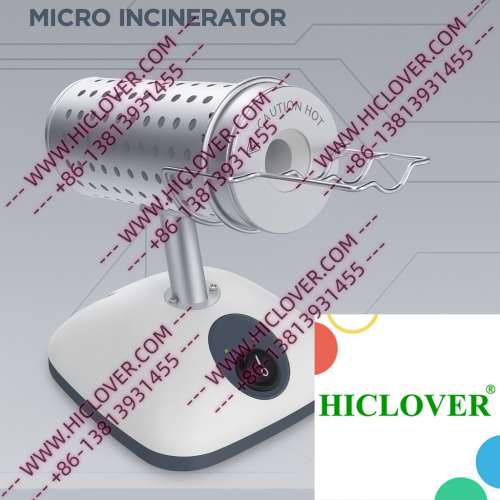
The Micro Incinerator functions through the principle of infrared heat, utilizing an enclosed ceramic tube to achieve rapid thermal sterilization. Unlike traditional flame-based sterilizers, this technology is designed to minimize the release of aerosols, ensuring a safer working environment. The compact design allows for straightforward integration into various laboratory settings while providing a consistent temperature range, crucial for effective sterilization of inoculating loops and other instruments.
Challenges in Laboratory Sterilization
In laboratories, particularly those classified under BSL-2 or BSL-3, maintaining a sterile environment is paramount. The use of traditional methods such as alcohol lamps or Bunsen burners can introduce a host of issues. These open-flame devices pose a risk of fire hazards and can lead to contamination from emitted particles. In contrast, the Micro Incinerator offers a clean-bench-safe alternative that meets the rigorous demands of modern laboratory operations.
Applications of Micro Incinerators
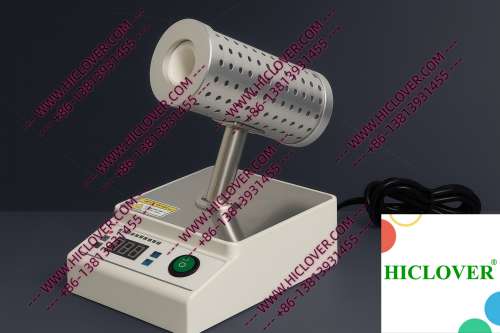
- Biosafety Cabinets: Within BSL-2 laboratories, where contaminants can pose significant health risks, Micro Incinerators provide an efficient means of sterilization without disturbing the airflow, ensuring a clean and safe workspace.
- Teaching Labs: In educational settings, particularly university teaching labs, the use of Infrared Inoculating Loop Sterilizers aids in safely demonstrating sterilization techniques to students, combining education with best practices in cleanliness.
- Field Testing: In mobile laboratories, particularly in regions affected by outbreaks or requiring immediate diagnostics, the lightweight and portable Micro Incinerator enables researchers to conduct sterilization safely on-site, promoting better infection control.
Compliance with International Biosafety Standards
Compliance with guidelines from the World Health Organization (WHO) and local laboratory sterilization standards is critical. For example, in clean rooms and sensitive environments, no flame is permitted, creating an urgent need for reliable alternatives such as the Micro Incinerator. This device allows for effective high-temperature disinfection without the hazards associated with open flames, making it essential for modern laboratories at the cutting edge of research.
Advantages Over Traditional Flame Sterilizers
When evaluating sterilization options, it is vital to consider the benefits of Micro Incinerators compared to traditional flame devices. Below is a comparative table illustrating the key differences:
| Feature | Micro Incinerator | Flame Sterilizers (e.g., Alcohol Lamps, Bunsen Burners) |
|---|---|---|
| Safety | Reduced fire hazard, enclosed heat source | Open flame poses fire and burn risks |
| Contamination Control | Aerosol-free, minimal disturbance | Flame can release particles and aerosols |
| Convenience | Portable, quick startup | Requires preparation and careful handling |
| Temperature Control | Consistent, adjustable heat settings | Variable, difficult to control |
Frequently Asked Questions
What is a Micro Incinerator?
A Micro Incinerator is an infrared sterilization device designed for rapid thermal sterilization of inoculating loops, providing a consistent temperature output with enhanced safety compared to open flames.
Can it be used in BSL-3 laboratories?
Yes, Micro Incinerators are suitable for use in BSL-3 labs, ensuring compliance with strict biosafety protocols by avoiding open flames.
How does infrared sterilization work?
Infrared sterilization involves the use of infrared energy to produce high heat, which effectively kills microorganisms on tools and surfaces without introducing contaminants.
What are the benefits of using a Micro Incinerator in educational settings?
In educational labs, Micro Incinerators provide a safe, efficient way to demonstrate sterilization processes to students, minimizing safety risks while ensuring effective microbial control.
How does it compare in cost to traditional sterilization methods?
Although the initial purchase price may be higher than alcohol lamps, the long-term benefits, including safety, efficiency, and compliance with laboratory standards, make it a cost-effective choice.
Conclusion
The evolution of laboratory sterilization tools like the Micro Incinerator / Infrared Inoculating Loop Sterilizer proves essential for advancing clean laboratory standards. As facilities operate under stricter biosafety regulations, the need for rapid, effective, and safe sterilization becomes increasingly important. If you’re looking to enhance your laboratory sterilization processes, consider reaching out for expert advice or reviews on the perfect Micro Incinerator tailored to your specific needs.
Categories:
Tags: