
In the labyrinth of laboratory biosafety, maintaining stringent sterilization protocols is paramount. For professionals engaged in microbiological research, clinical diagnostics, and academic instruction, navigating the complexities of sterilization workflows presents both challenges and opportunities. In Canada, where regulatory compliance governs healthcare and laboratory practices, the adoption of advanced sterilization equipment is essential. Among these, the Micro Incinerator / Infrared Inoculating Loop Sterilizer stands out as a critical tool for enhancing contamination control across various lab environments.
Technical Principles of the Micro Incinerator
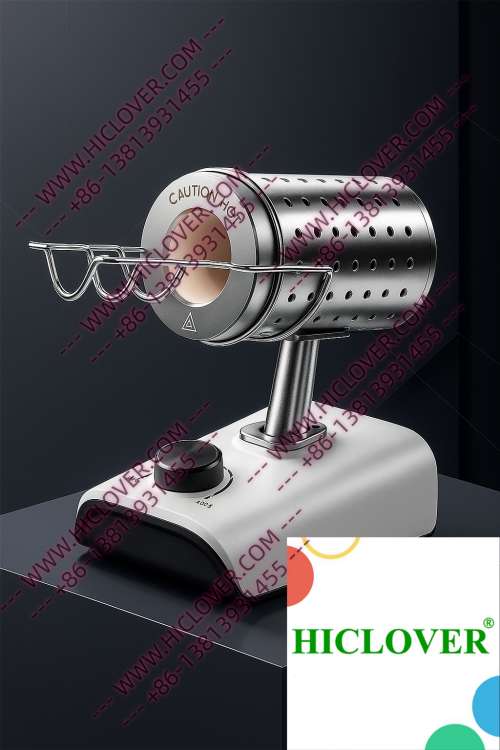
The Micro Incinerator leverages the principle of rapid thermal sterilization through infrared heat technology. This device features an enclosed ceramic heating chamber that reaches high temperatures swiftly, allowing for effective disinfection of inoculating loops and other small instruments. In laboratories where maintaining a sterile environment is crucial, this method minimizes the risks associated with traditional flame sterilizers, such as alcohol lamps and Bunsen burners. Given its capability to provide quick, clean, and aerosol-free handling of instruments, the Micro Incinerator is becoming the preferred choice in modern laboratories.
Advantages Over Traditional Flame Sterilizers
- Enhanced Safety: The Micro Incinerator eliminates the hazards associated with open flames.
- Rapid Heating: Achieves sterilization within seconds, reducing downtime.
- Controlled Environment: Suitable for use within clean benches and in proximity to sensitive equipment.
- Cost-Efficiency: Lower operational costs due to reduced fuel consumption and maintenance.
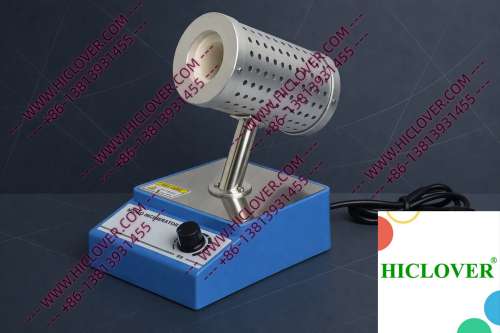
Application Scenarios in Real Labs
Understanding how the Micro Incinerator is utilized across different laboratory settings provides insight into its versatility and effectiveness. Let’s explore two specific scenarios in which this sterilizer proves invaluable:
1. University Teaching Labs
In university teaching labs, students are often tasked with performing microbiological procedures that necessitate strict adherence to sterilization protocols. The Micro Incinerator’s rapid sterilization capability promotes efficient lab workflows while ensuring that students can focus on learning without the distractions of traditional flame sterilization methods. By providing a safe and effective alternative, educators can instill best practices in biosafety and contamination control among future scientists.
2. BSL-2 / BSL-3 Microbiology Labs
Within BSL-2 and BSL-3 laboratories, where the handling of pathogenic microorganisms is routine, the demand for non-flame sterilization methods is critical. The Micro Incinerator integrates seamlessly with biosafety cabinets, allowing researchers to sterilize tools without exposing them to the risks associated with open flames. Its design ensures that aerosols are not generated, thus maintaining a safe working environment for laboratory personnel.
Compliance and Environmental Considerations
Adhering to biosafety standards is a non-negotiable aspect of laboratory operations in Canada. The World Health Organization (WHO) has set forth guidelines that emphasize the importance of effective sterilization and containment to prevent the spread of infectious agents. The Micro Incinerator aligns perfectly with these standards, as it does not produce flames, making it ideal for cleanroom environments where flammable substances are prohibited.
The compliance with laboratory sterilization standards is further supported by local regulations, which often stipulate the types of sterilization methods that can be employed. For instance, the stringent requirements for BSL-2 and BSL-3 facilities necessitate the use of advanced, non-flame sterilizers like the Micro Incinerator to minimize risk and ensure the safety of personnel and the environment.
Comparison Table: Micro Incinerator vs. Flame Burners
| Feature | Micro Incinerator | Flame Burner |
|---|---|---|
| Heating Method | Infrared | Open Flame |
| Safety | High – No Flames | Moderate – Risk of Burns |
| Speed of Sterilization | Seconds | Minutes |
| Use in Cleanrooms | Compatible | Not Suitable |
| Aerosol Generation | No | Yes |
FAQs
What is the advantage of using a Micro Incinerator in a teaching lab?
The Micro Incinerator provides a safe and efficient method for sterilizing inoculating loops, allowing students to focus on their work without the risks associated with traditional flames.
Can the Micro Incinerator be used in cleanroom environments?
Yes, its design and operational principles make it compatible with cleanrooms where open flames are prohibited.
How does the Micro Incinerator enhance laboratory safety?
By eliminating open flames, it reduces the risk of burns, fire hazards, and aerosol generation, which is crucial when working with sensitive biological materials.
How quickly does the Micro Incinerator achieve sterilization?
The Micro Incinerator achieves sterilization in a matter of seconds, significantly speeding up laboratory workflows compared to traditional methods.
Is the Micro Incinerator compliant with WHO biosafety standards?
Yes, it complies with global biosafety standards by offering a safe, flame-free sterilization solution.
Conclusion
As the landscape of laboratory practice evolves, the importance of adopting modern sterilization technologies cannot be overstated. The Micro Incinerator / Infrared Inoculating Loop Sterilizer represents a notable advancement in maintaining safety and efficiency within Canada’s healthcare system. Whether you’re operating in a university teaching lab, a high-containment facility, or any environment requiring rigorous sterilization, this equipment promises to enhance your workflow and safety standards. For inquiries or to explore purchasing options, feel free to contact us today!
Categories:
Tags: