
In the fast-paced environment of modern laboratories, maintaining biosafety and controlling contamination are critical challenges that require effective solutions. With increasing emphasis on sterilization workflows, the choice of sterilization equipment becomes paramount. Among the versatile solutions available, the Micro Incinerator or Infrared Inoculating Loop Sterilizer stands out as an innovative choice for laboratory sterilization, particularly in Seoul’s hospitals and research institutions.
Understanding the Micro Incinerator: How It Works
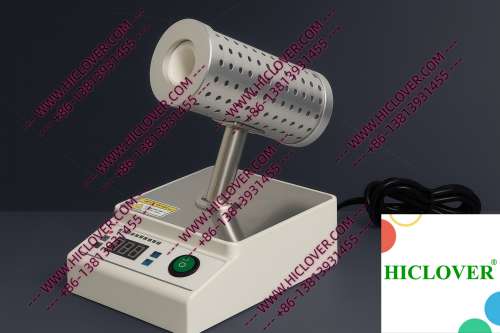
The Micro Incinerator employs advanced infrared heating technology. By utilizing an enclosed ceramic tube and radiant heat, it delivers rapid thermal sterilization that achieves high temperatures needed for effective disinfection. Unlike traditional flame sterilizers, such as alcohol lamps or Bunsen burners, this device boasts numerous advantages: it eliminates the risk of open flames, which enhances safety in controlled environments. Additionally, the precise temperature control minimizes the prospect of thermal damage to delicate instruments or samples.
Applications in Real Laboratory Scenarios
1. Field Testing and Mobile Laboratories
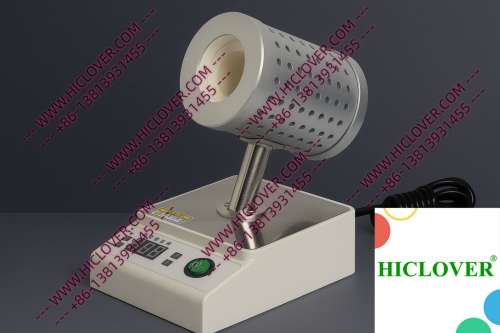
In field testing scenarios, where quick deployment and portable solutions are necessary, the Micro Incinerator excels. Its compact size and lightweight design make it ideal for researchers working on-site, away from traditional laboratory infrastructure. These benchtop sterilizers ensure that inoculating loops and other instruments are sterilized effectively, thereby reducing the risk of sample contamination during hands-on experiments.
2. University Teaching Labs
In academic settings, particularly in BSL-2 and BSL-3 microbiology labs, the Micro Incinerator is an essential tool for demonstrating proper sterilization techniques to students. The ease of use allows students to safely manage inoculation processes without the hazards associated with open flames. This reinforces safe practices and compliance with stringent biosafety regulations.
Biosafety Compliance: Adhering to Standards
When it comes to laboratory sterilization, compliance with health and safety standards is non-negotiable. The World Health Organization (WHO) has outlined guidelines that specify appropriate sterilization methods suited for various lab environments. The Micro Incinerator’s operation aligns with these standards, especially in clean rooms where open flames pose significant contamination risks.
Using an infrared sterilizer not only meets but exceeds recommendations regarding safe handling and disinfection in clean-bench-safe scenarios. It serves as an excellent alternative to traditional methods by providing:
- Consistent high-temperature disinfection
- Aerosol-free handling, reducing biohazard risks
- Quick temperature recovery time for repeat uses
- Compliance with clinical diagnostic standards
Comparing Micro Incinerators to Traditional Flame Sterilizers
| Feature | Micro Incinerator | Flame Sterilizers |
|---|---|---|
| Flame Source | No | Yes |
| Temperature Control | Precise | Variable |
| Portability | High | Variable |
| Response Time | Rapid | Delayed (due to ignition time) |
Cost Considerations and Market Needs in Seoul
Understanding the cost of laboratory sterilization equipment is crucial for hospitals, universities, and research centers. In Seoul, a thriving hub for medical research and education, making informed purchasing decisions can lead to considerable savings in the long term. Factors affecting the costs include:
- Initial purchase price of the sterilizer
- Maintenance and operational fees
- Energy consumption for infrared models
- Longevity and reliability of equipment
When considering long-term investments, the Micro Incinerator presents a strategic choice for modernization. Its low-maintenance profile and high-performance output ensure that customers receive value without compromising safety or compliance.
FAQs
- What is the primary benefit of using a Micro Incinerator over a flame sterilizer?
- The primary benefit is enhanced safety, with no open flame risk, making it suitable for use in biosafety cabinets and clean room environments.
- Can the Micro Incinerator be used in BSL-3 laboratories?
- Yes, the Micro Incinerator is compliant with BSL-3 standards, providing effective sterilization without the hazards associated with traditional flame methods.
- How does infrared sterilization compare to traditional methods?
- Infrared sterilization offers rapid thermal sterilization, better temperature control, and does not create hazardous aerosols, making it cleaner and safer.
- Are there specific maintenance requirements for the Micro Incinerator?
- While it requires minimal maintenance, regular cleaning and periodic inspections are advised to ensure optimal functioning.
- Where can I purchase a Micro Incinerator in Seoul?
- Micro Incinerators can be sourced through laboratory supply distributors or specialized medical equipment suppliers within Seoul.
Conclusion
The Micro Incinerator / Infrared Inoculating Loop Sterilizer represents a transformative advancement in the field of laboratory sterilization. With its focus on safety, compliance, and effectiveness, it is an asset to any sterile environment. As hospitals and research facilities in Seoul continue to prioritize biosafety, the adoption of this cutting-edge technology can significantly enhance laboratory practices.
For more information on purchasing or customizing the Micro Incinerator to fit your needs, feel free to contact us today!
Categories:
Tags: