
In the ever-evolving landscape of laboratory biosafety, maintaining sterile environments is paramount. Laboratories, especially those operating under BioSafety Level 2 (BSL-2) or BSL-3 conditions, face stringent sterilization workflow demands to ensure contamination control. The importance of reliable laboratory sterilization equipment, such as the Micro Incinerator or Infrared Inoculating Loop Sterilizer, cannot be overstated. This article delves into the necessity of these sterilizers, their technical principles, applications, compliance with regulations, and the market costs associated with them in Hanoi.
Understanding Micro Incinerators: Technical Principles
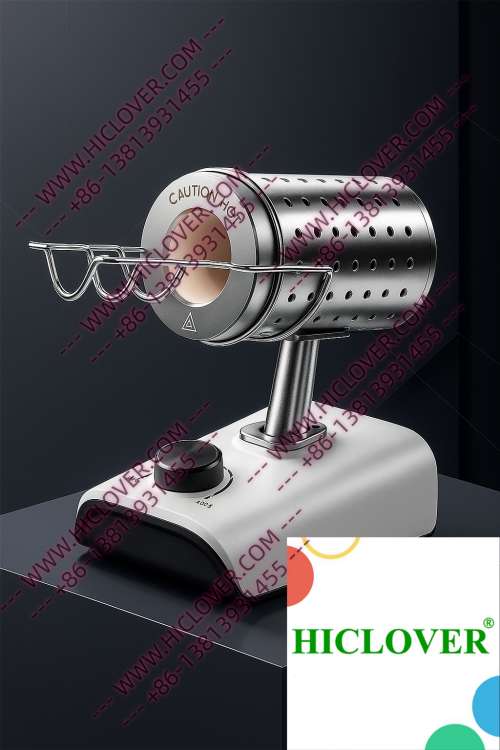
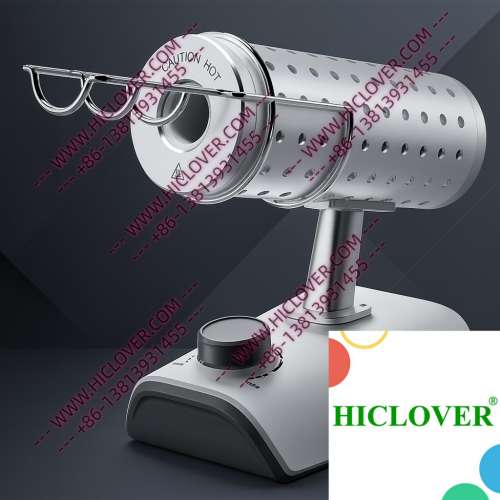
The Micro Incinerator functions through the principle of rapid thermal sterilization, using infrared heat to achieve high-temperature disinfection. Unlike traditional flame sterilizers such as alcohol lamps or Bunsen burners, the Micro Incinerator employs an enclosed ceramic heating chamber, which provides a more efficient and controlled sterilization process. The infrared technology ensures that the instruments and materials are sterilized without generating harmful aerosols, significantly reducing the risk of contamination in the laboratory.
Advantages Over Traditional Flame Sterilizers
- Enhanced Safety: With no open flames, there’s a reduced risk of burns and accidental fires, making it suitable for clean rooms.
- Efficient Sterilization: Infrared high-temperature disinfection is faster and more reliable than traditional methods.
- Environmentally Friendly: No combustion gases are produced, leading to a safer environment for lab personnel.
- WHO Biosafety Guidelines
- ISO 16140 for microbiological laboratory testing
- Specific laboratory sterilization standards in Vietnam
Applications in Real Laboratories
The versatility of Micro Incinerators makes them indispensable in various laboratory settings. Below are two scenarios highlighting their applications:
1. University Teaching Labs
In university teaching laboratories, the Micro Incinerator is frequently utilized for sterile technique demonstrations. As students learn about microbiological methods, having a compact and safe sterilization option allows for hands-on experience without compromising safety. Its ease of use facilitates effective learning while instilling best practices regarding contamination control.
2. Field Testing Labs
For field testing, particularly in remote locations lacking infrastructure, the Micro Incinerator offers a portable sterilization solution. It ensures that sampling instruments remain contaminant-free during microbiological assessments, enhancing reliability in environmental studies, agricultural research, and public health surveillance activities.
Compliance and Environmental Standards
Compliance with global biosafety standards is crucial for all laboratories. The World Health Organization (WHO) emphasizes rigorous adherence to lab sterilization protocols to prevent disease outbreaks. The Micro Incinerator meets these international standards, making it suitable for laboratories striving for conformity with norms such as:
Moreover, by eliminating open flames, this equipment offers an ideal solution for environments where maintaining a clean atmosphere is critical, such as clean rooms and BSL-2/BLS-3 facilities.
The Market for Hospital Sterilizers in Hanoi
The demand for laboratory sterilization equipment, particularly in healthcare and educational institutions, is on the rise in Hanoi. With hospitals and research centers increasingly prioritizing biosafety, the Micro Incinerator stands out as a cost-effective investment in efficient laboratory practices. The typical cost of obtaining such equipment ranges from $300 to $600. However, pricing can vary based on features, brand reliability, and supplier partnerships.
Micro Incinerator vs. Flame Burners: A Comparison
| Features | Micro Incinerator | Flame Burners |
|---|---|---|
| Operation Method | Infrared heating | Combustion flame |
| Safety | High safety; no open flames | Moderate; risk of burns |
| Efficiency | Fast and effective | Varies; slower heating process |
| Environmental Impact | No emissions | Produces gases and smoke |
FAQs
1. What is the benefit of using a Micro Incinerator over traditional methods?
Micro Incinerators provide a safer, faster, and more environmentally friendly option for sterilization compared to traditional flame techniques.
2. Are Micro Incinerators compliant with WHO biosafety standards?
Yes, Micro Incinerators are designed to meet international biosafety and sterilization standards, making them suitable for diverse laboratory environments.
3. Can I use a Micro Incinerator in a clean room?
Absolutely! Micro Incinerators are flame-free, making them ideal for maintaining the sterile conditions crucial in clean rooms.
4. What types of laboratories can benefit from a Micro Incinerator?
University teaching labs, clinical diagnostics facilities, BSL-2/BSL-3 microbiology labs, and mobile field testing labs can all benefit from the use of Micro Incinerators.
5. What is the typical cost range for a Micro Incinerator in Hanoi?
Prices typically range between $300 to $600, varying according to the model and supplier.
Conclusion
Investing in a Micro Incinerator or Infrared Inoculating Loop Sterilizer is not merely a purchase; it’s an essential step in enhancing laboratory efficiency and ensuring safety. As the market in Hanoi continues to grow, ensure your facility is equipped with cutting-edge sterilization equipment that meets both compliance and operational demands. For more information or to make a purchase, please contact us today!
Categories:
Tags: