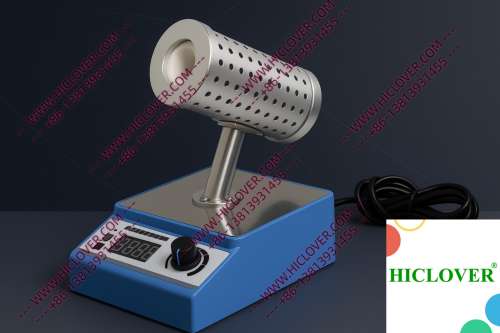
In the world of laboratory research, maintaining strict biosafety standards is paramount. Laboratory environments face numerous challenges in ensuring contamination control, particularly in the sterilization workflow. For many laboratories in China, especially those operating under BSL-2 and BSL-3 guidelines, the need for effective and reliable sterilization equipment is more critical than ever. One innovative solution that has emerged is the Micro Incinerator or Infrared Inoculating Loop Sterilizer. This article delves into the technical principles, application scenarios, and compliance requirements surrounding these essential pieces of lab equipment.
Understanding the Technical Principles
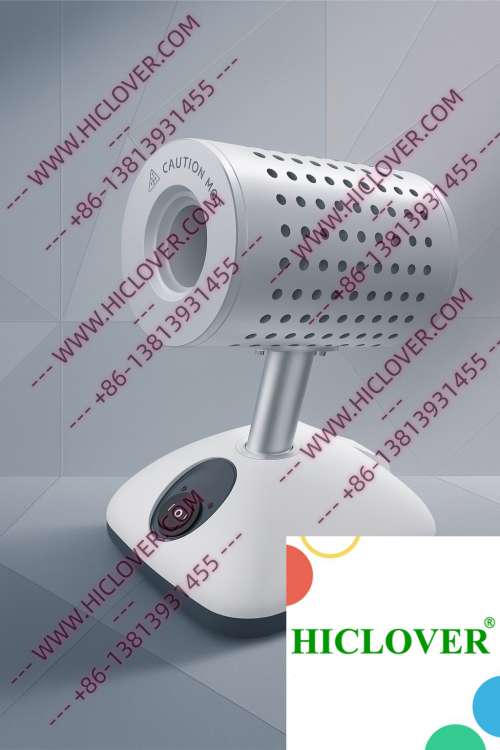
The Micro Incinerator leverages the principals of rapid thermal sterilization through infrared heating technology. This method uses an enclosed ceramic tube that reaches high temperatures reliably and quickly, providing effective disinfection without the risks associated with traditional flame methods.
Infrared heat can achieve temperatures upwards of 800°C, destroying a wide range of microorganisms in just seconds. The design ensures that the sterilization process is clean-bench-safe, eliminating the risk of aerosol generation and subsequent contamination, which is critical in sensitive laboratory environments.
Key Features of Infrared Inoculating Loop Sterilizers
- Rapid Sterilization: Achieves sterilization within a few seconds.
- Clean Operation: No open flames prevent the risk of aerosol contamination.
- Durable Design: Robust construction with a long lifespan.
- Safety Features: Enclosed heating with automatic shut-off mechanisms.
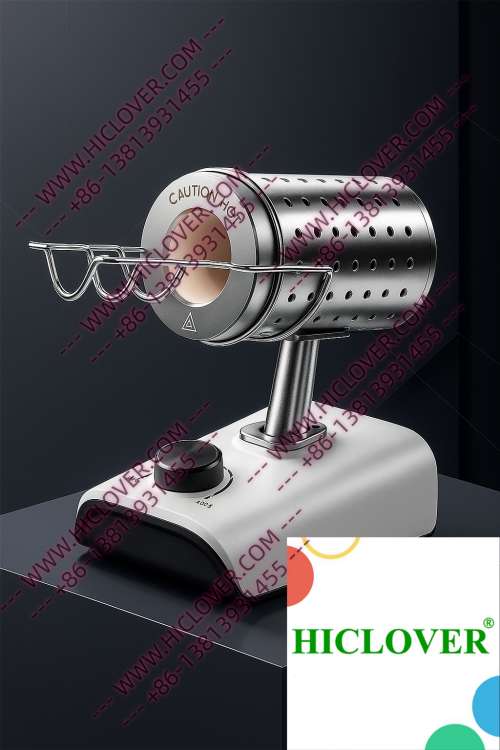
Compared to traditional flame sterilizers like alcohol lamps or Bunsen burners, micro incinerators offer improved safety by eliminating variables such as flame height and stability. Furthermore, they are easier to operate for new lab personnel and reduce the potential for laboratory fires.
Application Scenarios in Real Labs
Micro Incinerators can be utilized in various laboratory settings with different operational needs:
1. Biosafety Cabinets
In a biosafety cabinet, the risk of contamination from air turbulence is a significant concern. The use of a Micro Incinerator allows researchers to quickly sterilize inoculating loops and other small tools without introducing a flame-based sterilizer that could disrupt airflow and create a risk of cross-contamination. This setup is particularly beneficial when working with pathogenic microorganisms.
2. Field Testing
For laboratories engaged in mobile or field testing, the need for portable and efficient sterilization is vital. The compact design of the Micro Incinerator makes it ideal for field applications where traditional equipment may be less practical. Researchers conducting water quality assessments in remote areas can sterilize sampling tools quickly and effectively, ensuring reliable results.
Compliance and Environmental Considerations
The World Health Organization (WHO) emphasizes the importance of biosafety in laboratory environments. Compliance with sterilization standards is not merely a recommendation; it is a necessary practice for any laboratory aiming to operate effectively in China. The inclusion of sensitive equipment such as Micro Incinerators aligns with WHO guidelines for sterilization safety and efficacy.
Furthermore, in clean rooms and other sensitive environments, eliminating flame-based sterilizers is a critical step in maintaining sterility. The Micro Incinerator’s ability to operate without open flames is crucial for compliance with stringent laboratory standards, fostering a safer environment for both research personnel and their subjects.
FAQs About the Micro Incinerator
1. How does the Micro Incinerator compare to traditional flame sterilizers?
The Micro Incinerator provides faster and cleaner sterilization, eliminates the risks associated with open flames, and has a more consistent sterilization profile.
2. What environments are best suited for the Micro Incinerator?
This equipment is ideal for BSL-2 and BSL-3 microbiology labs, university teaching labs, and mobile testing setups.
3. Is maintenance required for these sterilizers?
Minimal maintenance is required. Regular checks for heating elements and ensuring the ceramic tube remains intact are recommended.
4. Can the Micro Incinerator be used to sterilize all tools?
It is suitable for sterilizing inoculating loops, needles, and other small metal instruments but should not be used for materials that may damage the ceramic tube.
5. What safety features does the Micro Incinerator offer?
The device typically includes an automatic shut-off feature, an enclosed design to minimize heat exposure, and grease-resistant surfaces.
Conclusion
The Micro Incinerator or Infrared Inoculating Loop Sterilizer represents a significant advancement in laboratory sterilization technology. By choosing infrared sterilization, laboratories in China can navigate the complexities of biosafety, environmental compliance, and operational efficiency. Whether you are a distributor, university, or research institution, investing in this advanced sterilization solution ensures superior contamination control and a safer working environment.
Discover how the Micro Incinerator can enhance your laboratory’s sterilization processes by contacting us today for more details or to make a purchase.
Categories:
Tags: