
In today’s laboratories, the biosafety challenges are increasingly complex. With pathogens across various research domains, the need for efficient sterilization techniques is paramount. As scientists face stringent sterilization workflow demands, the reliance on advanced sterilization equipment has surged. Among these innovations, the Micro Incinerator or Infrared Inoculating Loop Sterilizer stands out as an essential tool for achieving rapid thermal sterilization.
Understanding the Technical Principles
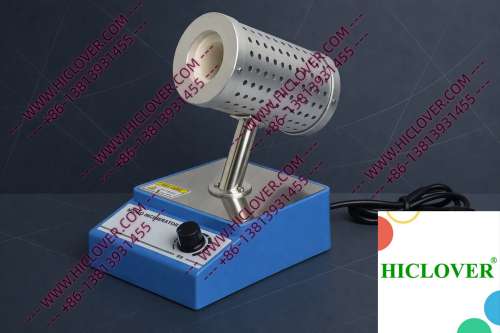
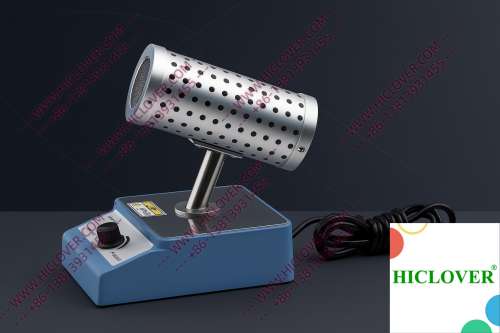
The Micro Incinerator operates on the principle of infrared heat transfer, utilizing an enclosed ceramic heating chamber. This design allows for high-temperature disinfection without the hazards presented by traditional flame sterilizers. It achieves temperatures sufficient for effective sterilization almost instantaneously, offering a clean-bench-safe method for inoculating loops, needles, and other lab instruments.
The advantages of using the Micro Incinerator include:
- Rapid sterilization: Achieves operational temperatures in seconds.
- Elimination of aerosols: Reduces risks associated with airborne pathogens.
- Consistency: Provides a stable heat source for uniform sterilization.
- Environmental safety: No open flame, making it suitable for sterile environments.
Practical Applications in Laboratories
The versatility of Micro Incinerators is apparent in various laboratory settings. Here are two specific application scenarios:
1. Biosafety Cabinet Operations
In BSL-2 and BSL-3 microbiology labs, the sterilization of inoculating tools is crucial. The Micro Incinerator allows researchers to efficiently sterilize tools while working within a biosafety cabinet. This closed system minimizes the risk of contamination, maintaining the integrity of both the samples and the environment. The absence of flames reduces the risk of fire hazards that are present with alcohol lamps or Bunsen burners, ensuring a safe workspace.
2. University Teaching Labs
University labs often engage in microbiology training for students. The infrared inoculating loop sterilizer is particularly effective in these settings for teaching sterile techniques and microbiological protocols. Students learn to handle inoculating loops safely without the danger of flames, fostering a more secure learning environment. Using such high-tech equipment can elevate the educational experience, emphasizing contemporary sterilization methods.
Compliance and Environmental Considerations
Understanding compliance with various biosafety standards is crucial when selecting sterilization equipment. The WHO biosafety guidelines recommend stringent sterilization processes to mitigate contamination risks during laboratory operations. The Micro Incinerator adheres to these standards, providing a safe and efficient alternative to traditional sterilizers.
Additionally, flame-based sterilizers are unsuitable for clean rooms and areas where contamination control is vital. As more laboratories move to maintain stringent contamination controls, investing in a Micro Incinerator makes strategic sense.
Comparison: Micro Incinerator vs. Flame Burners
| Feature | Micro Incinerator | Flame Burners |
|---|---|---|
| Temperature Control | Stable, rapid heating | Variable, based on fuel |
| Aerosol Production | None | Can produce aerosols |
| Safety | Flame-free operation | Fire risk present |
| Ease of Use | User-friendly, minimal training | Requires careful handling |
| Suitable for Clean Rooms | Yes | No |
Frequently Asked Questions
1. How does the Micro Incinerator ensure sterilization efficiency?
The Micro Incinerator uses infrared heat that rapidly reaches high temperatures to effectively kill bacteria and spores without the risk of flame-generated aerosols.
2. Can this equipment be used in field testing scenarios?
Yes, its compact design and flame-free operation make it ideal for mobile labs and field testing environments, where safety and mobility are critical.
3. Are there specific maintenance requirements for the Micro Incinerator?
Regular cleaning of the ceramic heating element is recommended to maintain optimal performance; however, it requires significantly less maintenance than traditional burners.
4. What are the advantages of using the Micro Incinerator in clinical diagnostics?
The Micro Incinerator reduces the risk of cross-contamination, which is crucial in clinical settings, thus supporting accurate diagnostic outcomes.
5. Is the Micro Incinerator compliant with current lab safety standards?
Yes, it adheres to WHO biosafety protocols and other laboratory sterilization guidelines, ensuring safe operation in various laboratory environments.
Conclusion
In conclusion, the Micro Incinerator / Infrared Inoculating Loop Sterilizer represents a significant advancement in laboratory sterilization techniques. Its rapid thermal sterilization capability, coupled with a safer operation for cleanroom settings, positions it as a superior choice over traditional flame sterilizers. If you’re looking to upgrade your laboratory sterilization equipment or implement efficient contamination control methods, consider the advantages of the Micro Incinerator.
For more information or to explore purchasing options, feel free to contact our team. Your laboratory’s safety and efficiency are just a product away!
Categories:
Tags: