
In the dynamic environment of laboratory work, the challenges of biosafety and sterilization are paramount. Laboratory personnel face the growing demands of effective sterilization methods that mitigate contamination risks while adhering to stringent safety protocols. Traditional flame-based sterilization techniques, such as alcohol lamps and Bunsen burners, are plagued by limitations including the production of fumes and the risk of uncontrolled flames. As laboratories navigate these challenges, odor-free Micro Incinerators emerge as a game-changing solution, redefining sustainable waste management and sterilization practices.
Overview of Micro Incinerators
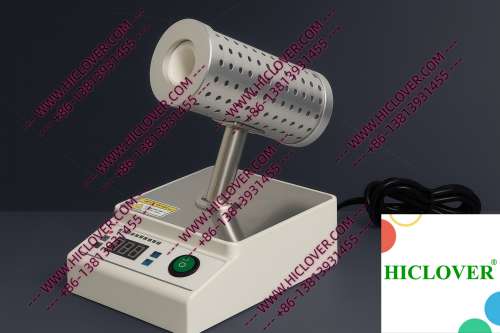
Micro Incinerators, specifically the Infrared Inoculating Loop Sterilizer, utilize advanced technologies to deliver rapid thermal sterilization without the nuisance and hazards associated with open flames. The central mechanism of these devices involves an enclosed ceramic heating element that emits infrared radiation, generating high temperatures to ensure thorough disinfection. The absence of flames not only enhances safety but also allows for aerosol-free handling, enabling laboratories to maintain a clean and sterile workspace.
Design and Technical Principles
The innovative design of Micro Incinerators includes a compact heating chamber that minimizes energy consumption while maximizing sterilization efficiency. The infrared heating technology facilitates quick thermal responses, allowing users to sterilize inoculating loops and other equipment in mere seconds. Unlike conventional flame sterilizers, which can introduce environmental contaminants and are subject to strict operational protocols, Micro Incinerators offer a streamlined solution compliant with modern laboratory cleanliness standards.
Applications of Micro Incinerators
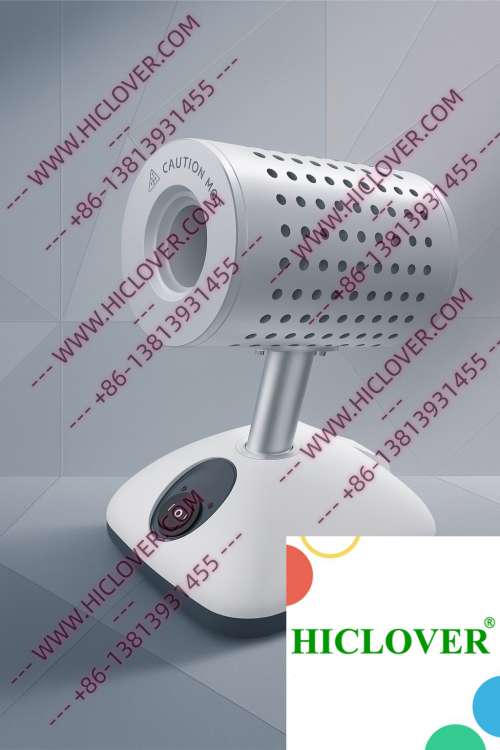
- Biosafety Cabinets: Within BSL-2 and BSL-3 microbiology labs, the controlled environments demand strict compliance with sterilization protocols. Micro Incinerators are ideal for use in biosafety cabinets, where they enhance biosafety while ensuring contamination control during microbial handling.
- Teaching Labs: In universities, especially in microbiology and biology courses, Micro Incinerators serve as an effective educational tool. They provide students with relevant hands-on experience in modern sterilization techniques, further cementing the importance of biosafety and environmental responsibility.
Comparing Micro Incinerators with Traditional Flame Sterilizers
| Feature | Micro Incinerator | Traditional Flame Sterilizer |
|---|---|---|
| Flame Presence | No flames, reducing safety hazards | Open flame, presents fire risks |
| Odor Production | Odor-free operation | Fumes and odors from combustion |
| Heat Source | Infrared ceramic heating | Gas or alcohol combustion |
| Efficiency | Rapid thermal sterilization | Variable, dependent on user technique |
| Environmental Impact | Eco-friendly, reduced emissions | Higher emissions from combustion |
Compliance with Biosafety Regulations
Adhering to biosafety standards is crucial in laboratory environments, particularly concerning sterilization practices. Organizations such as the World Health Organization (WHO) and various local health authorities mandate the use of methods that prevent the spread of pathogens. Micro Incinerators comply with these regulations by providing safe, effective sterilization without the risks associated with flame exposure in clean rooms or areas with sensitive operations, such as CO₂ incubators and anaerobic chambers.
With an increasing focus on sustainable practices within the laboratory sector, these incinerators represent a move towards environmentally friendly waste management protocols that align with industry compliance and responsibility.
FAQs about Micro Incinerators
- What is the main advantage of using a Micro Incinerator over a traditional flame sterilizer? The primary advantage is improved safety and reduced environmental impact, as Micro Incinerators operate without open flames and minimize odors.
- Can Micro Incinerators be used in field testing environments? Yes, their portability and safety features make them suitable for mobile and field testing labs.
- How quickly can I sterilize equipment with a Micro Incinerator? Most inoculating loops and equipment can be sterilized in seconds, ensuring efficiency in workflow processes.
- Do Micro Incinerators require any special maintenance? Regular cleaning of the heating chamber is recommended to maintain optimal performance, but they require minimal upkeep compared to flame sterilizers.
Conclusion
Micro Incinerators signal a transformative leap towards efficient, safe, and environmentally sustainable waste management in laboratories today. By integrating this innovative sterilization equipment, laboratories can enhance biosafety, streamline sterilization workflows, and align with stringent compliance measures.
If you are interested in advancing your laboratory’s sterilization practices, consider investing in a Micro Incinerator. Explore our high-quality options and discover how they can redefine your laboratory’s operational standards. Contact us to learn more!
Categories:
Tags: