
As biosafety regulations tighten and the demand for laboratory sterilization equipment rises, laboratories face pressing challenges in maintaining sterile environments while optimizing workflows. Traditional methods of sterilization, such as alcohol lamps and Bunsen burners, pose risks of contamination, open flames, and aerosols. In these scenarios, odorless micro incinerators, particularly the infrared inoculating loop sterilizers, emerge as a transformative solution.
Technical Principles of Odorless Micro Incinerators
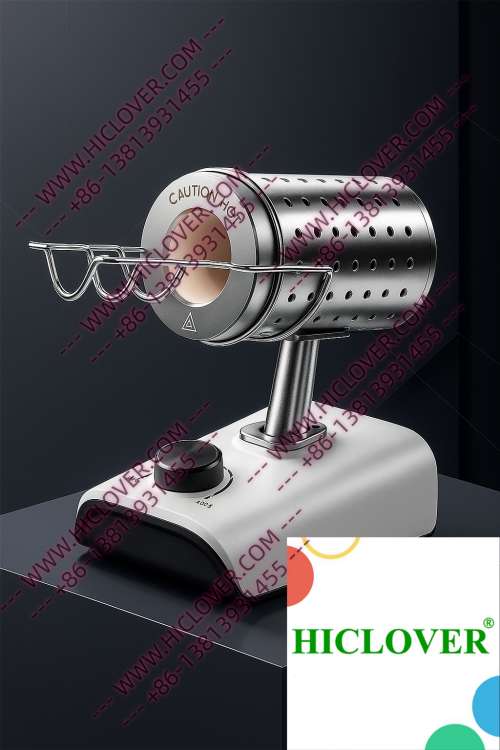
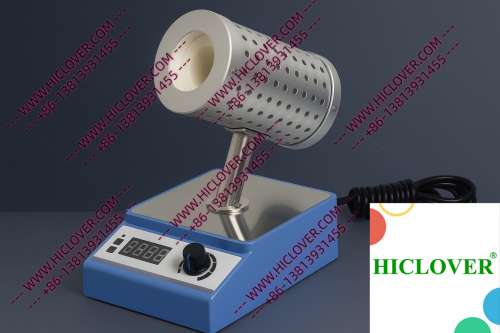
The foundation of micro incinerators lies in their ability to deliver rapid thermal sterilization through an enclosed ceramic heating chamber. Utilizing infrared heat, these devices achieve high temperatures quickly, effectively sterilizing inoculating loops, needles, and small tools without the hazards associated with open flames. This design not only minimizes the risk of biocontamination but also fosters a clean and safe working environment.
Infrared sterilizers operate by emitting thermal radiation that heats the ceramic elements to temperatures exceeding 800°C. The heated element, contained within the device, ensures that the temperature remains constant, leading to complete disinfection of instruments in seconds. As a result, these sterilizers are often dubbed “clean-bench-safe,” ideal for environments that prioritize sterile conditions, such as BSL-2 and BSL-3 microbiology labs.
Applications in Real Laboratory Settings
- Biosafety Cabinets: In BSL-2 and BSL-3 environments, where pathogens may be handled, micro incinerators provide a safe and effective means of sterilizing tools without compromising the integrity of the clean zone.
- Field Testing Laboratories: In mobile or field testing labs, where traditional sterilization methods may be impractical, these compact devices facilitate immediate sterilization on-site, enhancing workflow efficiency and safety.
- University Teaching Labs: With a focus on educational training, these sterilizers are ideal for teaching labs where students learn about microbiological techniques. Their ease of use and safety features encourage hands-on learning without the risks associated with flames.
- What are the advantages of using a micro incinerator over traditional sterilizers? Micro incinerators offer rapid sterilization, enhanced safety due to flame-free operation, and minimal risk of contamination, making them superior to traditional methods.
- Can micro incinerators be used in field laboratories? Yes, their portability and efficiency make micro incinerators ideal for field testing environments where immediate sterilization is essential.
- How do micro incinerators comply with safety regulations? They adhere to biosafety standards set forth by organizations like the WHO by providing flameless operation, thus reducing contamination risks.
- What settings are best suited for micro incinerators? They are particularly effective in BSL-2 and BSL-3 laboratories, clinical diagnostics, and university teaching labs.
- How fast do micro incinerators sterilize instruments? Most instruments can be sterilized within seconds, significantly enhancing laboratory workflow.
Compliance and Environmental Considerations
In the realm of laboratory sterilization, compliance with safety standards, such as the World Health Organization (WHO) biosafety protocols and laboratory sterilization standards, is paramount. Micro incinerators align perfectly with these guidelines, as they offer a flame-free sterilization method that significantly reduces the risk of contamination. Additionally, the absence of flames in clean rooms eliminates potential fire hazards while adhering to rigorous biosafety standards.
Moreover, these devices are environmentally friendly, producing no noxious fumes or particulates, making them suitable for settings that require a high degree of air quality control. In regions like San Francisco, known for pioneering sustainable practices, their adoption is not just a trend but a necessity.
Comparison: Micro Incinerator vs. Traditional Flame Burners
| Feature | Micro Incinerator | Traditional Flame Burner |
|---|---|---|
| Flame-Free Operation | Yes | No |
| Temperature Control | High precision | Variable |
| Risk of Contamination | Minimal | Higher |
| Speed of Sterilization | Seconds | Variable |
| Environmental Impact | Low | Higher |
Frequently Asked Questions
Conclusion
In a world where laboratory safety and efficiency are more critical than ever, odorless micro incinerators uniquely position themselves as a game changer in the fight against waste and contamination. With their advanced thermal sterilization technology, compliance with stringent safety standards, and superior performance versus traditional methods, these devices are a prudent investment for any laboratory, hospital, university, or research center.
For those looking to enhance their sterilization workflows while maintaining safety and compliance, it’s time to consider incorporating a micro incinerator into your laboratory practices. Contact us today to learn more about our offerings and make a transformative change in your sterilization approach!
Categories:
Tags: