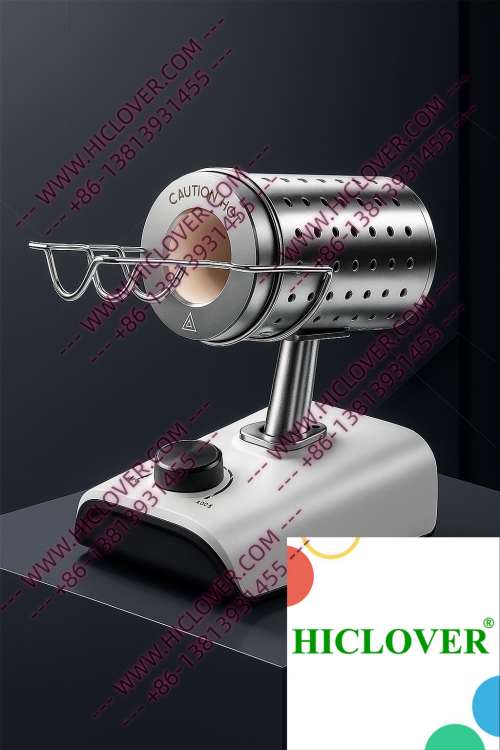
In the demanding world of laboratory work, the challenges of biosafety and infection control are urgent. Laboratories in Omaha are recognizing the critical need for reliable sterilization methods that not only enhance safety protocols but also streamline laboratory workflows. The rise of portable lab sterilizers, particularly the Micro Incinerator / Infrared Inoculating Loop Sterilizer, heralds a new era in laboratory efficiency and infection control.
Understanding the Technical Principles of Infrared Sterilization
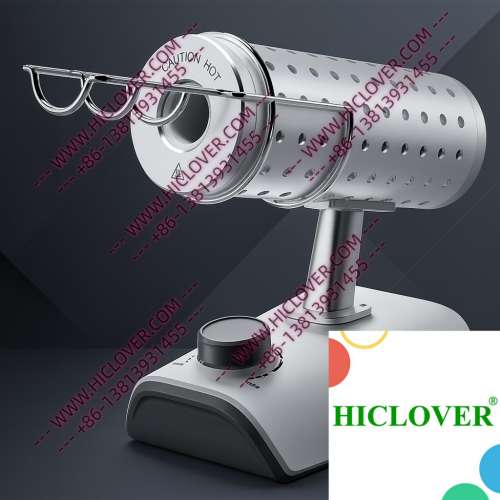
The Micro Incinerator operates on the principle of infrared heat, offering rapid thermal sterilization that significantly reduces contamination risk. This innovative device features an enclosed ceramic heating chamber that achieves high temperatures efficiently and consistently. Unlike traditional flame sterilizers, which can be cumbersome and pose fire hazards, the Micro Incinerator provides a safer, flame-free alternative ideal for a variety of laboratory environments.
Applications of Portable Lab Sterilizers
Two distinct scenarios exemplify the utility of the Micro Incinerator in real-world laboratory settings:
- Biosafety Cabinet Operations: In BSL-2 and BSL-3 microbiology labs, where handling potentially infectious materials is routine, the Micro Incinerator enhances sterilization processes within biosafety cabinets. This ensures that tools, slides, and inoculating loops can be quickly sterilized without risk of flame pollution or aerosol generation, significantly reducing contamination potential and increasing overall lab safety.
- Field Testing: Mobile labs often operate in diverse conditions, necessitating robust sterilization solutions. The Micro Incinerator is ideal for field testing scenarios where portability and efficiency are paramount. Scientists can perform rapid sterilization of instruments away from traditional lab settings, ensuring compliance with cleanliness protocols even in unpredictable environments.
- Rapid thermal sterilization capabilities.
- Compact and portable design for ease of use.
- Aerosol-free handling reduces contamination risks.
- Operational safety with no open flames.
- Versatile applications across various laboratory environments.
Compliance and Environmental Impact
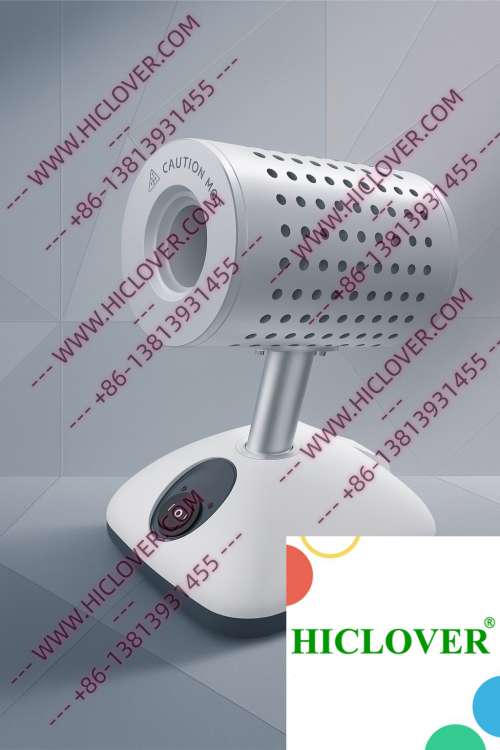
In light of global health regulations and standards, such as those from the World Health Organization (WHO) on biosafety and sterilization protocols, the Micro Incinerator stands out as a compliant and environmentally friendly option. Traditional flame sterilizers, like alcohol lamps or Bunsen burners, can release aerosols and produce unwanted combustion byproducts, complicating clean room protocols and increasing contamination risks.
The Micro Incinerator supports clean-bench-safe operations, aligning with lab sterilization standards and making it the preferred choice for maintaining high biosafety levels. Additionally, with the clear push towards sustainable laboratory practices, choosing a non-flame device can also minimize health hazards associated with combustion, further safeguarding laboratory personnel and the environment.
Why Choose Micro Incinerator Over Traditional Flame Sterilizers?
The transition from conventional flame sterilizers to sophisticated models like the Micro Incinerator offers numerous advantages:
The following comparison table highlights some of the core differences between the Micro Incinerator and traditional flame burners:
| Feature | Micro Incinerator | Flame Burners |
|---|---|---|
| Heat Source | Infrared | Open Flame |
| Portability | High | Low |
| Contamination Risk | Minimal | High |
| Compliance | High (WHO Standards) | Variable |
| Ease of Use | Simple operation | Requires skill |
Frequently Asked Questions (FAQs)
1. How does the Micro Incinerator enhance laboratory safety?
The Micro Incinerator provides a flame-free sterilization option, reducing fire hazards and emission of aerosols, thus enhancing laboratory safety.
2. Can the Micro Incinerator be used in BSL-3 laboratories?
Yes, the Micro Incinerator is designed to meet stringent biosafety standards, making it suitable for use in BSL-3 laboratories where stringent contamination control protocols are necessary.
3. What is the temperature range of the Micro Incinerator?
The Micro Incinerator achieves rapid heating to high temperatures suitable for effective sterilization quickly and efficiently.
4. How does the Micro Incinerator differ from traditional methods?
Unlike traditional flame sterilizers, the Micro Incinerator uses infrared technology for swift sterilization, minimizing contamination risks and enhancing operational safety.
5. Is the Micro Incinerator environmentally friendly?
Yes, as it does not use flame combustion, it minimizes emissions and is better aligned with sustainable laboratory practices.
Conclusion
The adoption of portable lab sterilizers such as the Micro Incinerator / Infrared Inoculating Loop Sterilizer is transforming the landscape of laboratory infection control, particularly across hospitals in Omaha. With its enhanced safety features, compliance with global standards, and versatility in application, it is poised to become an indispensable tool in modern laboratory practices. To learn more about enhancing your laboratory’s workflow while ensuring safety and compliance, reach out today for inquiries or to discuss purchase options.
Categories:
Tags: