
In the fast-paced environment of modern laboratories, the need for efficient and reliable sterilization methods has never been more pressing. Laboratory biosafety challenges are prevalent as researchers and technicians strive to maintain contamination control while safeguarding their workspaces. The advent of portable loop sterilizers, particularly the Micro Incinerator or Infrared Inoculating Loop Sterilizer, has risen to meet these demands effectively. This article explores the technical principles, application scenarios, compliance considerations, and advantages of utilizing these innovative sterilization devices in laboratory settings.
Understanding the Technical Principles of Portable Loop Sterilizers
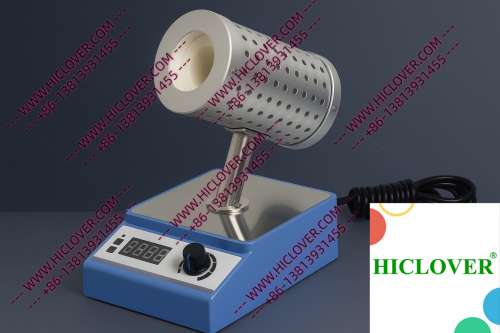
At the heart of the Micro Incinerator’s technology is its ability to achieve rapid thermal sterilization through infrared heat. This sterilizer typically features an enclosed ceramic tube that generates high temperatures, allowing for infrared high-temperature disinfection. Unlike traditional flame sterilizers such as alcohol lamps and Bunsen burners, which can produce open flames and create risks of airborne contamination, the Micro Incinerator provides an aerosol-free handling method that adheres to stringent laboratory requirements.
The configuration of the Micro Incinerator guarantees enhanced safety and efficiency. With a quick heating time and the ability to maintain consistent temperatures, this device not only boosts sterilization workflows but also drastically reduces operational downtime, thereby increasing laboratory efficiency.
Application Scenarios in Real Labs
Biosafety Cabinets and Clinical Diagnostics
In BSL-2 and BSL-3 microbiology labs, where the risk of exposure to hazardous pathogens is paramount, the Micro Incinerator proves invaluable. Researchers can insert the inoculating loop directly into the sterile incinerator to eliminate microbial contaminants without the threat posed by open flames. This is particularly crucial in clinical diagnostics, where sample integrity and contamination must be tightly controlled.
Teaching Laboratories and Field Testing
In university teaching labs, instructors often emphasize best practices in microbiological techniques. The lightweight, portable design of the Micro Incinerator allows students to learn sterilization techniques without the concerns associated with flame-based devices. Furthermore, in field testing scenarios—such as environmental sampling or microbial assessments—this portable sterilization unit allows researchers to perform on-site sterilization effectively and efficiently, enhancing research outcomes.
Compliance with Safety and Environmental Standards
Meeting compliance with WHO biosafety standards and laboratory sterilization protocols is crucial for any laboratory. The Micro Incinerator is designed to align with these standards, providing a safe alternative for sterilization. Unlike traditional flame sterilizers, it poses minimal risk in cleanroom environments, where open flames are often prohibited. Moreover, its compact nature and aerosol-free operation makes the device suitable for use in CO₂ incubators and anaerobic chambers, where contamination control is critical.
Advantages Over Traditional Flame Sterilizers
The transition from traditional flame sterilizers to the Micro Incinerator presents numerous advantages:
- Rapid Thermal Sterilization: Achieves sterilization faster than flame-based alternatives.
- Contamination Control: Eliminates the risk of aerosol generation associated with open flames.
- Environmentally Safe: No combustion products, making it suitable for various laboratory settings.
- Durable Design: Ceramic heating elements provide consistent temperature regulation.
- Easy to Use: Portable and lightweight configuration promotes ease of handling in varied workspaces.
To emphasize these benefits, consider the following comparison:
| Feature | Micro Incinerator | Flame Burners |
|---|---|---|
| Heating Method | Infrared | Open Flame |
| Contamination Risk | Low | High |
| Heating Time | Rapid | Variable |
| Portability | High | Moderate |
| Safety in Cleanrooms | Yes | No |
Frequently Asked Questions
1. How does the Micro Incinerator differ from a Bunsen burner?
The Micro Incinerator utilizes infrared technology for rapid thermal sterilization, offering a safer, aerosol-free alternative to the open flame produced by Bunsen burners.
2. Is the Micro Incinerator suitable for field tests?
Yes, its lightweight and portable design make it an ideal choice for field testing, allowing for effective sterilization on-site.
3. What are the safety features of the Micro Incinerator?
The device’s enclosed design eliminates open flames and reduces the risk of contamination, making it compliant with various laboratory safety standards.
4. Can the Micro Incinerator be used in anaerobic conditions?
Absolutely, the Micro Incinerator is suitable for use within anaerobic chambers, providing effective sterilization without generating combustion products.
5. What maintenance is required for the Micro Incinerator?
The device generally requires minimal maintenance; however, regular checks of the ceramic heating elements and cleaning after use can ensure optimal performance.
Conclusion
The demand for portable loop sterilizers is rising as laboratories focus on maintaining high standards of biosafety and efficiency. The Micro Incinerator / Infrared Inoculating Loop Sterilizer stands out as a leading solution, offering numerous advantages over traditional flame sterilizers. If you are exploring the best sterilization equipment for your laboratory needs, consider the Micro Incinerator as a reliable and compliant choice. For inquiries or purchasing options, feel free to reach out and elevate your laboratory’s microbial safety protocols.
Categories:
Tags: