
In today’s fast-paced scientific environment, the importance of biosafety cannot be overstated. Laboratories face numerous challenges related to contamination control, especially when working in the field, where access to traditional sterilization equipment might be limited. The demand for robust solutions to ensure effective sterilization workflows is growing, particularly in high-stakes environments such as biosafety level 2 (BSL-2) and level 3 (BSL-3) microbiology labs, clinical diagnostics, and university teaching labs. A leading choice for on-the-go sterilization is the Micro Incinerator or Infrared Inoculating Loop Sterilizer, a cutting-edge innovation designed to meet laboratory needs efficiently.
Technical Principles of the Micro Incinerator
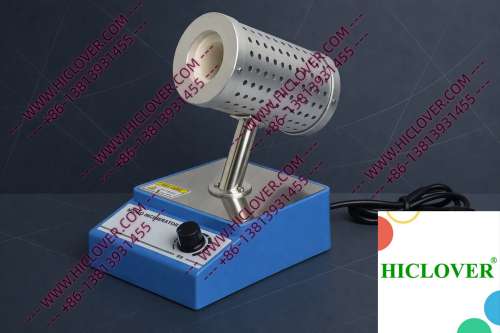
The Micro Incinerator operates on the principle of rapid thermal sterilization. Utilizing infrared heat, the device features a ceramic heating chamber that achieves temperatures ranging from 800°C to 900°C (1472°F to 1652°F) almost instantaneously. This high-temperature disinfection is critical for eliminating all forms of microbial contamination, ensuring that inoculating loops and other lab instruments are sterile before they touch cultures. Unlike traditional flame sterilizers, such as alcohol lamps or Bunsen burners, the Micro Incinerator’s enclosed design prevents the generation of aerosols and significantly reduces the risk of fire hazards in environments like clean rooms or biosafety cabinets.
- Infrared Heating: Ensures precise and rapid sterilization without flame.
- Enclosed Chamber: Supports clean-bench-safe operation.
- Aerosol Control: Minimizes contamination risks that can occur with open flames.
Application Scenarios in Real Labs
The Micro Incinerator is particularly beneficial for diverse applications in various laboratory settings:
Biosafety Cabinets
Within BSL-2 and BSL-3 microbiology labs, maintaining a sterile environment is critical. Using the Micro Incinerator inside biosafety cabinets provides researchers with a compact, efficient tool for sterilizing inoculating loops and other tools without compromising safety protocols. Its rapid heating capability allows scientists to transition quickly between processes, reducing downtime and enhancing overall workflow efficiency.
Field Testing
Mobile or field testing labs often confront specific sterilization challenges. In places where traditional flame sources are impractical or dangerous, such as during environmental sampling in remote regions, the Micro Incinerator becomes indispensable. Researchers can easily carry this portable device to ensure they have sterile instruments available, enabling them to work efficiently while adhering to stringent contamination control standards.
Compliance and Environmental Considerations
With increasing scrutiny on laboratory practices, compliance with WHO biosafety regulations and lab sterilization standards is paramount. The Micro Incinerator satisfies numerous safety guidelines, making it an attractive option for laboratories seeking to minimize risk. For instance, in cleanroom environments, where the presence of flame is prohibited, the Micro Incinerator allows for effective sterilization without compromising compliance. Moreover, its aerosol-free handling protects lab personnel and the surrounding environment from contamination.
Here’s a summary of compliance and safety standards supported by the Micro Incinerator:
- WHO Biosafety Guidelines
- ISO 15189 for medical laboratories
- CAP Standards for laboratory excellence
Comparative Analysis: Micro Incinerator vs. Traditional Flame Sterilizers
| Feature | Micro Incinerator | Flame Sterilizers |
|---|---|---|
| Heat Source | Infrared | Open Flame |
| Contamination Risk | Minimal | High |
| Aerosol Production | None | Possible |
| Temperature Control | Precise | Variable |
| Portability | High | Low |
Frequently Asked Questions
What is the primary advantage of using a Micro Incinerator over flame sterilizers?
The primary advantage lies in its rapid thermal sterilization capability and reduced contamination risk. It efficiently eliminates microbial life without the dangers and limitations posed by open flames.
Can the Micro Incinerator be used in fieldwork?
Yes, its portable design makes it ideal for mobile laboratories and field testing, ensuring sterile instruments are always available without the need for bulky traditional setups.
Is the Micro Incinerator compliant with lab safety standards?
Absolutely! It meets various safety guidelines, including those from WHO and ISO, which makes it suitable for high-compliance laboratory environments.
How does the Micro Incinerator contribute to safety in teaching labs?
In educational settings, the Micro Incinerator minimizes the risks associated with open flames. Its enclosed design protects students and instructors from potential hazards while ensuring proper sterilization practices are taught.
What types of laboratory environments is best suited for the Micro Incinerator?
It is particularly suitable for use in BSL-2 and BSL-3 labs, clinical diagnostics, university teaching labs, and remote field testing locations.
Conclusion
As laboratories increasingly confront the challenges of contamination control and operational safety, the Micro Incinerator stands out as a leading solution for on-the-go sterilization. Its innovative design, portable nature, and adherence to strict compliance standards make it an ideal choice for research institutions, hospitals, universities, and NGOs alike. If you’re looking to enhance your laboratory’s sterilization capabilities, consider investing in the Micro Incinerator — the future of safe and effective sterilization is just a contact away!
Categories:
Tags: