
In the fast-paced world of laboratory research and clinical diagnostics, meeting sterilization demands is essential for ensuring biosafety and contamination control. The traditional use of alcohol lamps and Bunsen burners for sterilization presents significant risks, including open flames and the potential for aerosol generation. To tackle these challenges and improve workflow efficiency, laboratories are increasingly turning towards advanced sterilization equipment, such as the Micro Incinerator or Infrared Inoculating Loop Sterilizer.
The Challenges of Traditional Sterilization Methods
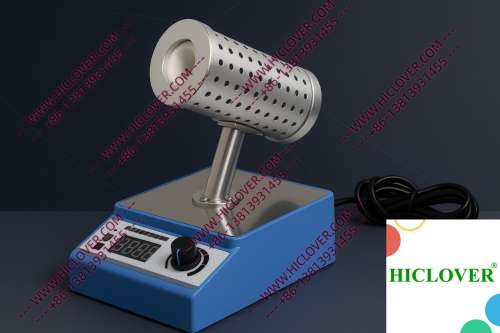
Alcohol lamps and flame burners have long been staples in laboratory settings for sterilizing inoculating loops and other small instruments. However, their inherent drawbacks cannot be ignored. Open flames pose a fire hazard, particularly in high containment areas like BSL-2 or BSL-3 labs, where the risk of ignition is a serious concern. Additionally, the inconsistent heating and potential for aerosol contamination can compromise the integrity of sterile environments.
Why Upgrade to Micro Incinerators?
The Micro Incinerator utilizes infrared heat rather than open flames to achieve efficient sterilization. This modern design features an enclosed ceramic heating chamber that generates a rapid thermal sterilization effect, effectively killing pathogens and ensuring contamination control without the dangers associated with flame heating.
Technical Principles Behind the Micro Incinerator
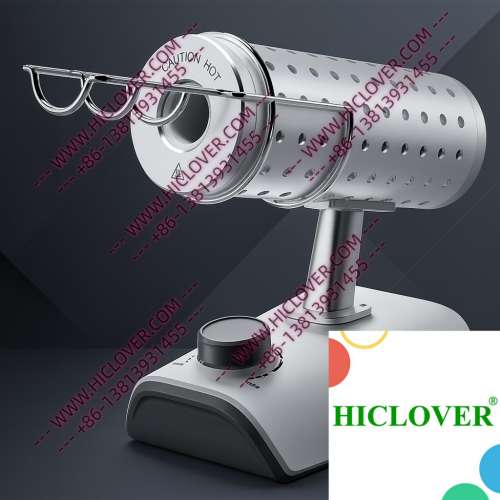
The infrared inoculating loop sterilizer operates at high temperatures, deploying focused infrared energy to incinerate microorganisms on contact. The ceramic heating tube is designed to maintain consistent temperatures, enabling rapid sterilization cycles within seconds while being safe for use in clean-bench environments. This technology ensures that even the most sensitive samples are treated without the risk of contamination or cross-infection.
Application Scenarios in Real Labs
- Biosafety Cabinets: In a BSL-2 laboratory, the Micro Incinerator can be roped into the daily workflow while working within a biosafety cabinet. Its compact, flame-free design helps to maintain the clean-air environment, essential for ongoing microbiological analysis.
- Teaching Labs: University laboratories benefit from the use of infrared sterilizers where students are taught the principles of microbiology. The safety of a flame-free environment allows for a more conducive learning atmosphere, reducing the risks traditionally associated with alcohol lamps.
Compliance and Environmental Considerations
As researchers navigate compliance with rigorous biosafety standards, the transition from alcohol lamps to Micro Incinerators does not merely enhance safety; it also supports adherence to global health standards. For instance, the World Health Organization (WHO) has published guidelines regarding laboratory biosafety that underscore the importance of using safe sterilization methods. Open flames are strictly prohibited in cleanrooms and other controlled environments due to the fire hazard they present and their potential to disrupt air containment measures.
Comparing Micro Incinerators to Traditional Flame Sterilizers
| Feature | Micro Incinerator | Alcohol Lamp/Bunsen Burner |
|---|---|---|
| Heat Source | Infrared Heat | Open Flame |
| Safety | Flame-Free Operation | Fire Hazard |
| Speed of Sterilization | Seconds | Varies |
| Environment Impact | Aerosol-Free | Potential Pollution |
Frequently Asked Questions (FAQs)
- How quickly can loops be sterilized using a Micro Incinerator? The sterilization process typically takes just a few seconds, providing speed and efficiency in laboratory workflows.
- Are Micro Incinerators safe to use in cleanrooms? Yes, they are designed to operate without flames, making them ideal for cleanroom environments where contamination must be strictly controlled.
- What are the maintenance requirements for a Micro Incinerator? Maintenance is minimal; regular cleaning of the ceramic chamber and ensuring proper function is usually sufficient.
- Can Micro Incinerators be used in field testing environments? Absolutely! Their portable design makes them suitable for mobile laboratories, enhancing sterilization reliability in the field.
- Are there certifications for Micro Incinerators? Yes, many Micro Incinerators comply with international biosafety and sterilization standards, ensuring safety and efficacy.
Conclusion
The movement towards adopting Micro Incinerators as your primary sterilization method speaks volumes about the evolving needs of modern laboratories. Their advanced technology not only enhances operational efficiency but also elevates safety standards crucial for rigorous compliance. If you’re considering the transition from outdated alcohol lamps, now is the perfect time to explore the advantages of infrared inoculating loop sterilizers. For inquiries or to learn more about how you can modernize your laboratory’s sterilization processes, please reach out to us today!
Categories:
Tags: