
In the ever-evolving landscape of laboratory biosafety, hospitals and research institutions face increasing challenges in maintaining contamination control during procedures. This necessity is especially critical in a city like Paris, where microbiological research, clinical diagnostics, and educational programs require cutting-edge equipment to ensure high standards of safety and efficiency. One of the key advancements in this realm is the adoption of Micro Incinerators or Infrared Inoculating Loop Sterilizers—innovative solutions that streamline sterilization workflows while meeting the stringent demands of modern laboratories.
The Technical Principle of Micro Incinerators
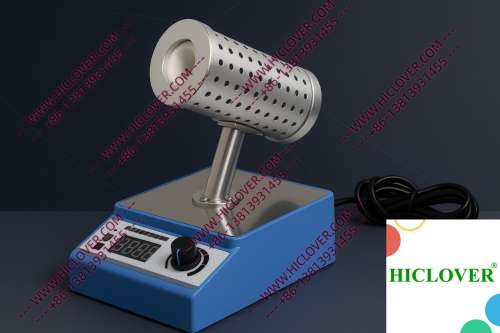
Micro Incinerators are designed with a focus on rapid thermal sterilization. Utilizing an infrared heating element encased in a robust ceramic tube, these devices provide a clean and effective solution for sterilizing inoculating loops, needles, and other small instruments. Unlike traditional flame sterilizers, which can introduce contaminants into sensitive environments, micro incinerators ensure a flame-free operation, thereby eliminating the risks associated with open flames.
This technology enables high-temperature disinfection without aerosol generation or open flames, making it ideal for work in sterile environments such as biosafety cabinets and clean rooms. The enclosed ceramic tube is specifically engineered to reach optimal temperatures rapidly, resulting in efficient and thorough sterilization.
Applications of Micro Incinerators in the Lab
- Biosafety Cabinets: In microbiology labs, particularly those operating at BSL-2 and BSL-3 levels, the use of micro incinerators in biosafety cabinets ensures that the sterilization process occurs without exposing the lab environment to potential contaminants. This creates a safer handling process for personnel.
- Clinical Diagnostics: Hospitals can utilize these sterilizers in their labs to prepare inoculating instruments quickly, minimizing wait times during critical testing procedures. This guarantees that samples are handled under optimized, contamination-free conditions.
- University Teaching Labs: In an educational context, micro incinerators serve as essential teaching tools for microbiology students, allowing them to learn sterile techniques without the hazards of flame-based sterilization.
- Mobile or Field Testing Labs: For field researchers and testers who operate outside conventional laboratory settings, these compact devices provide rapid sterilization, preserving sample integrity and ensuring safety on the go.
Compliance and Safety Standards
The introduction of micro incinerators in laboratory settings aligns perfectly with compliance standards set forth by organizations such as the WHO. These standards emphasize maintaining contamination control, particularly in laboratories dealing with infectious agents. Using flame-based sterilizers is often not permitted in clean rooms or biosafety cabinets due to the risks they pose; thus, micro incinerators serve as a safe alternative.
Moreover, the environmental impact is significantly reduced with infrared sterilizers, as they do not emit fumes or aerosols typical of traditional igniting sources, making them an environmentally-friendly choice suitable for the strictest laboratory protocols.
Micro Incinerator vs. Traditional Flame Sterilizers
| Feature | Micro Incinerator | Flame Sterilizer |
|---|---|---|
| Operating Principle | Infrared heat, ceramic tube | Open flame, combustion |
| Contaminant Risk | No aerosol generation | Risk of contamination |
| Temperature Control | Rapid heating & consistent | Variable & unstable |
| Safety | Clean-bench-safe | Requires caution due to flames |
| Environmental Impact | No toxic fumes | Potentially hazardous emissions |
Frequently Asked Questions
What makes Micro Incinerators superior to traditional flame sterilizers?
The primary advantages consist of enhanced safety due to no open flames, reduced contamination risks, and rapid, efficient heating through infrared technology. The closed ceramic design also means fewer aerosols are produced, making it safer for use in close quarters.
Can Micro Incinerators be used in field testing?
Yes! Their portable design and rapid sterilization capabilities make Micro Incinerators an ideal choice for mobile laboratories or field-testing situations.
How do Micro Incinerators comply with WHO biosafety standards?
Micro Incinerators fulfill biosafety requirements through their ability to effectively sterilize instruments without creating instability in clean environments, making them suitable for BSL-2 and BSL-3 labs.
What types of laboratories benefit from using Micro Incinerators?
Micro Incinerators are advantageous in clinical diagnostics, university teaching labs, mobile field testing labs, and any setting focusing on sterile techniques.
How long does it take for a Micro Incinerator to reach sterilization temperatures?
Micro Incinerators are designed to heat rapidly, often achieving sterilization temperatures within seconds. This efficiency improves overall laboratory workflow.
Conclusion
The ongoing upgrade of Paris hospitals and laboratories with advanced sterilization technology represents a pivotal shift towards ensuring optimal biosafety and efficiency in laboratory workflows. The Micro Incinerator or Infrared Inoculating Loop Sterilizer stands out as a leading choice for those seeking innovative, safe, and effective means for sterilization. For distributors, hospitals, universities, and research centers looking to enhance their sterilization processes, we invite you to explore our latest offerings and consider informed investments in high-quality sterilization solutions.
Categories:
Tags: