
In modern bioscience research, maintaining the integrity of laboratory results is paramount. One critical aspect that researchers must address is the effective sterilization of instruments and specimens. The conventional methods, including alcohol lamps and Bunsen burners, face challenges in terms of safety, efficiency, and compliance with strict laboratory standards. In response to these concerns, the adoption of advanced sterilization technologies like the Micro Incinerator and Infrared Inoculating Loop Sterilizer offers a solution that enhances both efficiency and accuracy in laboratory settings in Chittagong.
Understanding PCR Loop Sterilization
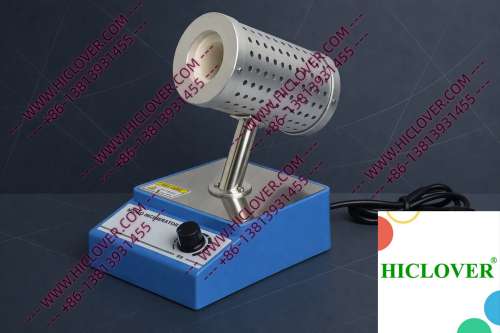
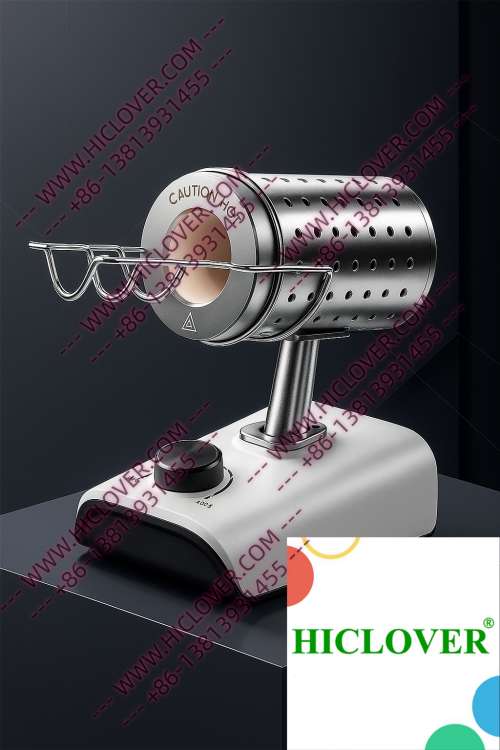
The Micro Incinerator operates on the principle of rapid thermal sterilization using infrared heat. Unlike traditional flame sterilizers that can introduce contaminants or pose fire hazards in cleanrooms, the Micro Incinerator features an enclosed ceramic heating chamber that ensures a clean and safe operative environment. This design not only allows for high-temperature disinfection but also minimizes aerosol contamination during sterilization procedures.
Advantages of Micro Incinerators Over Traditional Flame Sterilizers
- Rapid Sterilization: Achieves temperatures that can sterilize inoculating loops in seconds.
- Safety: No open flame reduces fire risk in enclosed lab environments, which is crucial for BSL-2 and BSL-3 microbiology labs.
- Clean Operation: The enclosed design prevents contamination in environments such as biosafety cabinets.
- Ease of Use: Simple operation reduces the training time required for lab personnel.
Applications in Real Laboratory Scenarios
Field Testing and Mobile Labs
In Chittagong’s diverse ecosystems, bioscientists often engage in field testing to examine environmental samples. The Micro Incinerator is an essential tool as it allows quick sterilization of tools in the field without the need for additional fuel sources that traditional flame sterilizers require. Being portable and battery-operated, it enhances workflow by ensuring contamination control on-the-go, which is crucial for accurate results in environmental sampling.
Teaching Labs in Universities
University teaching labs in Chittagong leverage the Micro Incinerator for its efficiency in demonstrating sterilization techniques to students. With an emphasis on safe laboratory practices, educators can instill the importance of sterilization to prevent cross-contamination during practical experiments. As they educate future bioscientists, the presence of a safe, effective sterilization tool is instrumental in shaping their laboratory protocols.
Compliance and Environmental Considerations
Strict laboratory standards governed by WHO biosafety regulations necessitate that labs implement safe sterilization practices. Traditional incandescent flames can compromise the sterilization workflows within cleanrooms, raising concerns about contamination. The Micro Incinerator not only achieves compliance with these biosafety guidelines but also aligns with the increasing demand for environmental safety in laboratory operations. As labs strive to minimize their carbon footprint, the reduced energy consumption of infrared sterilizers presents a sustainable option for the future of lab sterilization.
Moreover, the shift towards flame-free sterilization promotes a cleaner lab environment, emphasizing aerosol-free handling that is crucial during microbial studies and the handling of sensitive samples.
Enhancing Workflow in Laboratory Settings
Laboratory workflows benefit immensely from the integration of infrared inoculating loop sterilizers. The Micro Incinerator streamlines the sterilization process, allowing technicians to focus more on their work rather than the cumbersome procedures associated with traditional sterilizers. This enhancement is particularly impactful in high-throughput environments where time and efficiency are of the essence.
FAQs About Micro Incinerators
1. What makes the Micro Incinerator different from traditional flame burners?
The Micro Incinerator uses infrared heating technology, eliminating the need for open flames, which reduces the risk of contamination and fire hazards, especially in BSL-2 and BSL-3 laboratories.
2. How does the Micro Incinerator enhance safety in lab environments?
Its enclosed design prevents flame exposure and aerosol generation, making it safe for use in biosafety cabinets and clean rooms.
3. Can the Micro Incinerator be used in field testing scenarios?
Yes, it is portable and can sterilize tools quickly in the field, suited for various environmental sampling activities.
4. What are the maintenance requirements for a Micro Incinerator?
The device is designed for ease of cleaning; simply wipe down the surfaces and ensure the heating elements are kept clear of debris.
5. Is the Micro Incinerator compliant with WHO biosafety standards?
Absolutely. It aligns with the safety regulations required in laboratory environments, promoting sterile practices without the risks associated with open flames.
Choosing the Right Sterilization Tool for Your Lab
Opting for advanced sterilization technology like the Micro Incinerator can dramatically enhance laboratory workflows and safety protocols, particularly in Chittagong’s burgeoning bioscience sector. As educational institutions, research centers, and hospitals adapt to new challenges in biosafety and efficiency, the implementation of this cutting-edge tool will ensure accurate results and compliance with global standards.
Conclusion
If you are looking to upgrade your laboratory sterilization equipment or wish to learn more about the Micro Incinerator and Infrared Inoculating Loop Sterilizer, do not hesitate to reach out. This innovative tool could be the key to efficient and accurate bioscience research in Chittagong and beyond. Transform your laboratory practices today by investing in the safety and accuracy that the Micro Incinerator provides.
Categories:
Tags: