
In an era where laboratory biosafety is paramount, challenges around contamination control have never been more pressing. From educational institutions to clinical diagnostics, maintaining high safety standards is critical for patient outcomes. In this regard, modern sterilization equipment, such as the Micro Incinerator, or Infrared Inoculating Loop Sterilizer, offers significant improvements in workflow efficiency, safety, and compliance.
Understanding the Technical Principles
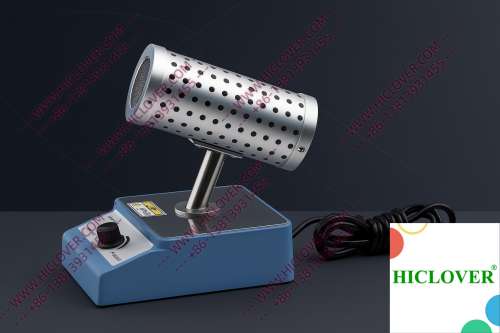
The effectiveness of the Micro Incinerator stems from its unique operational design. Utilizing infrared heat, this sterilizer provides rapid thermal sterilization, capable of achieving high temperatures quickly and efficiently. The enclosed ceramic heating chamber allows for precise temperature control while significantly reducing the risk of airborne contaminants—a key factor in laboratory environments like BSL-2 and BSL-3 microbiology labs.
Unlike traditional flame-based sterilizers, which rely on alcohol lamps or Bunsen burners, the Micro Incinerator promotes aerosol-free handling of inoculating loops. This advanced technology not only minimizes contamination but also enhances the sterility assurance of clinical samples and biological materials handled in controlled lab settings. The compact design further allows for optimal space utilization in biosafety cabinets, ensuring enhanced workflow and productivity.
Application Scenarios in Real Laboratories
-
Biosafety Cabinets:
In university teaching labs where students perform experiments with microbial cultures, the Micro Incinerator has redefined safety protocols. Students can quickly and effectively sterilize inoculating loops in between samples, all while maintaining a clean workspace devoid of open flames, which could pose fire hazards and contamination risks. -
Field Testing:
For organizations conducting field testing, traditional sterilization methods can be cumbersome. The portability and ease of use of the Micro Incinerator enable researchers to perform on-the-spot sterilization, ensuring that they can analyze samples in real-time without compromising biosafety. Its lightweight design allows for easy transport, making it ideal for remote environments. - What are the main advantages of using the Micro Incinerator over traditional sterilizers? The Micro Incinerator offers increased safety without an open flame, rapid sterilization, and reduced contamination risks, making it ideal for sensitive laboratory environments.
- Can the Micro Incinerator be used in field testing scenarios? Yes, its compact design allows for easy transport and use in various field settings, ensuring effective sterilization on-site.
- Is the Micro Incinerator compliant with international sterilization standards? Absolutely, it meets all WHO biosafety standards and is particularly suited for BSL-2 and BSL-3 laboratories.
- How does the infrared heating process work in the Micro Incinerator? The device utilizes infrared heat emitted from a ceramic tube, allowing for effective and rapid sterilization of inoculating loops.
- What types of labs benefit most from using a Micro Incinerator? University teaching labs, clinical diagnostics labs, and mobile or field testing labs realize significant improvements in sterility assurance and workflow with this equipment.
Compliance and Environmental Considerations
Maintaining stringent compliance with WHO biosafety standards is non-negotiable for laboratories handling infectious materials. The Micro Incinerator not only meets these standards but also aligns with lab sterilization protocols that require no open flames in clean rooms, thus preventing unwanted aerosols from contaminating sensitive equipment and samples.
In regions like Europe and North America, regulatory bodies have put forth stringent guidelines emphasizing the need for effective sterilization processes in laboratories. Utilizing technologies such as infrared sterilization, laboratories can ensure they adhere to these regulations while enhancing safety and operational efficiency.
Comparative Analysis: Micro Incinerator vs. Traditional Flame Burners
| Feature | Micro Incinerator | Flame Burners |
|---|---|---|
| Heating Method | Infrared Heat | Open Flame |
| Safety | Aerosol-free, no fire hazards | Risk of burns, fire hazards |
| Speed | Rapid thermal sterilization | Slower heating |
| Portability | Compact and lightweight | Bulkier with fuel requirements |
| Compliance | Meets WHO standards | May not comply with clean room standards |
Frequently Asked Questions (FAQs)
Conclusion: A Transformative Solution for Better Patient Care
In summary, the Micro Incinerator / Infrared Inoculating Loop Sterilizer is not just a piece of laboratory equipment; it is a transformative solution that enhances patient care by improving laboratory safety, efficiency, and compliance. As the demands for high standards in biosafety continue to grow, investing in advanced sterilization technologies is increasingly essential.
Whether you are a laboratory supply distributor, hospital representative, or an educator in a university setting, integrating the Micro Incinerator into your sterilization workflow can lead to significant improvements in health and safety. For inquiries and purchases, please feel free to reach out to our dedicated team today!
Categories:
Tags: