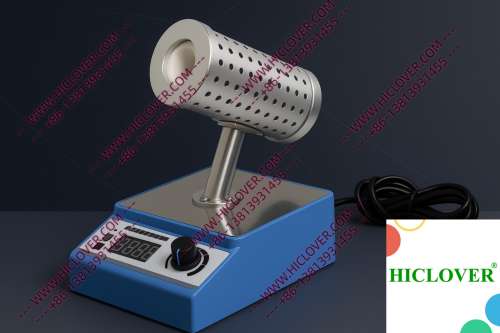
In the ever-evolving landscape of laboratory biosafety, challenges concerning contamination control are paramount. As researchers strive for safe and reliable results, the need for effective sterilization workflow equipment has never been more critical. Enter the Micro Incinerator, a cutting-edge solution designed to enhance laboratory sterilization processes while ensuring compliance with established biosafety standards.
Understanding the Technology Behind Micro Incinerators
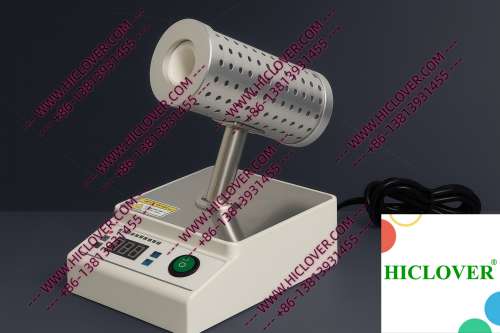
The Micro Incinerator, also known as an Infrared Inoculating Loop Sterilizer, operates on a simple yet effective principle: rapid thermal sterilization using infrared heat. The device features an enclosed ceramic heating chamber that reaches elevated temperatures, effectively sterilizing inoculating loops and other laboratory tools in mere seconds. This method significantly reduces the risk of aerosol contamination compared to traditional flame sterilizers such as alcohol lamps or Bunsen burners.
Advantages Over Traditional Flame Sterilizers
- Quicker sterilization: Infrared heating achieves higher temperatures in a fraction of the time.
- Clean-bench-safe: Eliminates open flames, reducing the risk of accidents and maintaining a clean working environment.
- Improved safety: The enclosed design minimizes the generation of aerosols, promoting safer handling practices.
- Cost-effective: Reduced fuel costs compared to traditional flame operators
- What is a Micro Incinerator?
A Micro Incinerator is a high-temperature sterilization device that uses infrared heat for rapid disinfection of laboratory tools like inoculating loops. - How fast can I sterilize with a Micro Incinerator?
Most Micro Incinerators offer sterilization times of 5-10 seconds, significantly faster than traditional flame methods. - Is it safe to use a Micro Incinerator in a BSL-2 lab?
Absolutely. Micro Incinerators provide a safe, efficient method for sterilization that adheres to high biosafety standards. - Can Micro Incinerators be used in field testing?
Yes, their portability makes them ideal for field testing situations where rapid sterilization is necessary. - How do I maintain a Micro Incinerator?
Routine maintenance involves cleaning the heating chamber and inspecting the device for efficiency, as per manufacturer’s guidance.
Practical Applications of Micro Incinerators in Laboratories
Micro Incinerators have found varied applications across numerous laboratory environments, enhancing biosafety and operational efficiency in each. Below are two scenarios illustrating their utility:
1. University Teaching Labs
In university teaching labs, particularly in microbiology and biomedical courses, instructors utilize Micro Incinerators to instill best practices in sterilization. Students can safely and efficiently sterilize inoculating loops between uses without the hazards associated with open flames. This hands-on experience not only reinforces sterilization protocols but also emphasizes the importance of contamination control in laboratory settings.
2. BSL-2 / BSL-3 Microbiology Labs
In higher-containment settings, such as BSL-2 and BSL-3 labs, the use of Micro Incinerators is critical for strict adherence to biosafety protocols. The incorporation of these devices into biosafety cabinets allows for effective and rapid sterilization of equipment and tools without disturbing the sterile environment. This enhances the safety of personnel and ensures integrity in experimental results.
Biosafety Compliance and Environmental Considerations
Globally recognized organizations, including the World Health Organization (WHO), advocate for stringent biosafety standards in laboratory environments. Compliance with internationally accepted lab sterilization standards is non-negotiable, particularly in scenarios involving pathogenic organisms. The Micro Incinerator supports these rigorous standards by offering flame-free operations—essential for clean rooms and environments sensitive to contaminants.
Moreover, the Micro Incinerator contributes to environmentally conscious laboratory practices by minimizing fuel consumption and waste associated with traditional flame sterilization methods.
Frequently Asked Questions
Conclusion: Enhance Your Laboratory’s Sterilization Protocols Today
In summary, Micro Incinerators are revolutionizing the way laboratories approach sterilization. With rapid thermal sterilization capabilities, improved biosafety compliance, and various applications across settings, these devices are not just an upgrade but a necessary shift in laboratory practices. For distributors, hospitals, universities, and research centers seeking to enhance their sterilization processes, investing in a Micro Incinerator is a step towards greater safety and efficiency. Contact us today to learn more about our Micro Incinerator solutions and elevate your lab’s operational standards.
Categories:
Tags: