
In recent years, Colombia has faced significant biosafety challenges, particularly related to laboratory sterilization and waste management. With an increasing emphasis on environmental sustainability and biosafety in laboratories, the country is turning to innovative solutions like micro incinerators. These advanced devices are crucial in addressing waste pollution while adhering to worldwide sterilization standards. One of the most effective solutions being highlighted is the Micro Incinerator or Infrared Inoculating Loop Sterilizer, which offers substantial advantages over traditional flame sterilizers.
Understanding Micro Incinerators: The Technical Principles
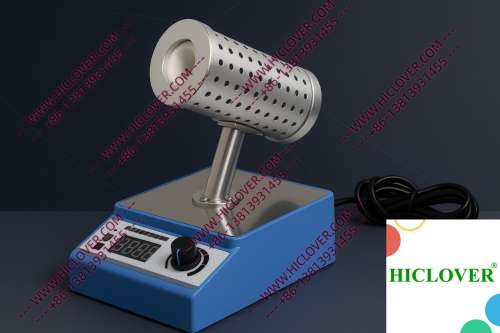
The Micro Incinerator operates on the principle of rapid thermal sterilization using an enclosed ceramic heating chamber, which heats the inoculating loop or any lab equipment placed within it to high temperatures. Unlike traditional flame-based methods, such as alcohol lamps or Bunsen burners, micro incinerators employ infrared heat. This technology ensures thorough and uniform disinfection with ease of use and enhanced safety.
- Rapid Thermal Sterilization: The infrared technology produces temperatures sufficient to eliminate microorganisms almost instantaneously.
- Aerosol-Free Handling: Eliminates the risk associated with aerosol generation during sterilization, crucial for maintaining a clean environment.
- Compact and Portable: Micro Incinerators are easily transportable and ideal for mobile or field testing labs.
Laboratory Applications of Micro Incinerators
These micro incinerators find numerous applications, enhancing safety and efficiency across various laboratory settings. Below, we outline two primary scenarios where these sterilizers excel:
Biosafety Cabinets
In BSL-2 and BSL-3 microbiology labs, maintaining a sterile workspace is of paramount importance. The Micro Incinerator allows researchers to safely sterilize their inoculating loops and other tools without introducing flames, thus minimizing contamination risks. It is compliant with WHO biosafety regulations, which reinforce the importance of a flame-free environment in cleanroom settings.
University Teaching Labs
In academic settings, particularly within biosciences, teaching labs utilizing Micro Incinerators can provide students with a reliable method of sterilization that mirrors industry practices. This indirect exposure prepares future microbiologists and technicians to engage with advanced biosafety standards, ensuring they follow clean-bench-safe protocols when handling sensitive materials.
Compliance and Environmental Standards
Adhering to international biosafety and sterilization standards is essential for any laboratory. The Micro Incinerator responds effectively to the challenges laid out by the WHO and other governing bodies. It is specifically designed to meet the stringent guidelines for lab sterilization, promoting:
- Non-combustion methods that eliminate the use of flammable gases.
- Safe sterilization in clean rooms without the risk of open flames.
- Environmentally-friendly disposal of waste, significantly reducing the carbon footprint associated with laboratory operations.
In Colombia, the push for micro incinerators coincides with national efforts aimed at combating waste pollution, promoting policies that enable cleaner and more sustainable laboratory practices.
Micro Incinerator vs. Traditional Flame Sterilizers Comparison
| Feature | Micro Incinerator | Flame Sterilizers |
|---|---|---|
| Safety | Non-flame, minimizes fire hazards | Open flame, higher risk of accidents |
| Sterilization Speed | Immediate, rapid thermal sterilization | Variable, dependent on user skill |
| Aerosol Management | Aerosol-free handling | Aerosol generation risk |
| Environmental Impact | Lower emissions, eco-friendly | Higher environmental risk due to fuel consumption |
FAQs about Micro Incinerators
- What makes micro incinerators suitable for biosafety labs?
Micro incinerators provide a flame-free sterilization solution, reducing contamination risks and meeting stringent biosafety standards. - How do micro incinerators compare to traditional methods in terms of efficiency?
They offer immediate sterilization capability, ensuring enhanced workflow efficiency, especially in time-sensitive laboratory environments. - Are micro incinerators compliant with international biosafety regulations?
Yes, they are designed to comply with WHO biosafety standards, ensuring safe handling and disposal methods. - Can micro incinerators be used for field testing?
Absolutely, their compact design makes them ideal for mobile laboratories and field testing applications. - What type of maintenance do micro incinerators require?
Regular cleaning and inspection of the ceramic heating chamber are recommended to maintain optimal performance.
Conclusion
Colombia’s strategic implementation of micro incinerators exemplifies a commitment to innovation and sustainability in laboratory practices. By adopting the Micro Incinerator / Infrared Inoculating Loop Sterilizer, laboratories can not only enhance biosafety standards but also contribute to environmental conservation efforts.
If you are involved in laboratory supply distribution, research, or educational institutions, consider integrating micro incinerators into your sterilization protocols. For inquiries or purchasing options, contact us today to learn how these advanced devices can transform your laboratory operations.
Categories:
Tags: