
In medical facilities and research centers, the need for reliable sterilization methods is paramount for ensuring biosafety and contamination control. As labs continue to face challenges in managing microbial threats and ensuring equipment cleanliness, portable lab sterilizers, particularly the Micro Incinerator / Infrared Inoculating Loop Sterilizer, are emerging as essential tools in laboratory workflow. These devices not only address sterilization needs but also adhere to modern safety and operational standards, making them invaluable in various settings in Juba.
Challenges in Laboratory Biosafety
Laboratories frequently confront numerous biosafety challenges, particularly in regions like Juba, South Sudan, where resources may be limited. Traditional flame sterilizers such as alcohol lamps and Bunsen burners present several risks, including:
- Increased chances of fire hazards in enclosed environments.
- Inconsistent heating that may not guarantee complete sterilization.
- Aerosol generation that can expose personnel to potential biohazards.
The need for a reliable sterilization workflow that prioritizes safety and efficiency is critical, particularly in BSL-2 and BSL-3 microbiology labs where high-stakes experimentation occurs.
Technical Principles of the Micro Incinerator
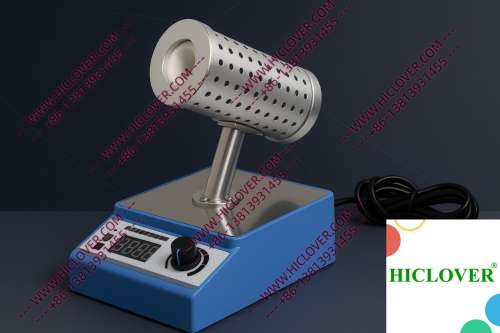
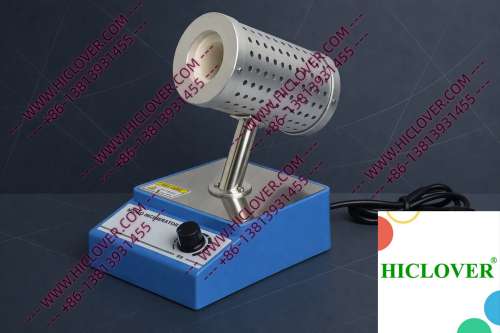
The Micro Incinerator operates on the principles of rapid thermal sterilization through infrared heat. Unlike traditional flame-based methods, this device utilizes an enclosed ceramic tube that generates high temperatures to provide effective sterilization. Key components include:
- Ceramic Heating Chamber: This innovative design enables high thermal transfer efficiency, ensuring items are uniformly heated without the risk of flame exposure.
- Infrared Technology: The infrared source rapidly kills microorganisms on inoculating loops and other small tools, achieving a temperature well above the minimum required for effective sterilization.
- Ergonomic Design: Compact and portable, the device is easy to handle within various lab environments, including mobile and field testing labs.
Application Scenarios in Real Labs
Several real-world applications demonstrate the versatility and effectiveness of the Micro Incinerator:
Biosafety Cabinet Use
In a biosafety cabinet at a university teaching lab, students can utilize the Micro Incinerator to maintain clean inoculating loops without introducing flames. This setting enhances safety and allows for a more controlled learning environment, minimizing the risk of cross-contamination as students conduct assays and experiments.
Field Testing Environments
Field testing often requires mobile solutions to manage lab tasks away from traditional facilities. The Micro Incinerator is highly beneficial in these situations as it can easily be transported to remote locations, allowing researchers to sterilize equipment on-site without the constraints of standard power sources or fire safety regulations.
Compliance and Environmental Safety
Complying with safety and operational standards is mandatory in laboratories, not only to safeguard personnel but also to ensure the integrity of results. The World Health Organization (WHO) biosafety regulations and sterilization protocols dictate that:
- No open flames should be used in clean rooms and controlled environments to prevent contamination.
- Laboratories must utilize sterilization methods that do not produce aerosols, as per the guidelines set by safety authorities.
By adopting the Micro Incinerator, labs in Juba can assure compliance with these standards while also enhancing the overall safety profile of their operations.
FAQs About Portable Lab Sterilizers
1. How does the Micro Incinerator differ from traditional flame sterilizers?
The Micro Incinerator utilizes infrared heat for rapid sterilization and does not produce flames, thereby reducing fire hazards and aerosol generation.
2. Is the Micro Incinerator safe for use in BSL-3 labs?
Yes, the Micro Incinerator is designed to meet safety standards suitable for BSL-3 environments, enhancing both biosafety and laboratory cleanliness.
3. Can the Micro Incinerator operate in mobile field labs?
Absolutely! Its compact design makes it ideal for mobile testing, allowing effective sterilization in various outdoor or remote settings.
4. What types of instruments can be sterilized using this device?
The device is primarily used for sterilizing inoculating loops, but it can also effectively treat various small metal instruments used in laboratories.
5. How long does the sterilization cycle take?
The sterilization cycle is typically rapid, taking just seconds to effectively sterilize instruments, which enhances laboratory workflow efficiency.
Conclusion
In closing, portable lab sterilizers like the Micro Incinerator are not just a convenience; they are a significant step towards modernizing sterilization protocols in medical facilities and laboratories in Juba. By embracing technologies that enhance safety and workflow efficiency, labs can ensure high standards of operation while maintaining compliance with international biosafety standards. To learn more about how the Micro Incinerator can transform your laboratory environment, please contact us today!
Categories:
Tags: