
The quest for improved healthcare delivery in Nigeria is met with several laboratory biosafety challenges, particularly in the realms of sterilization workflows. The outbreaks of infectious diseases and the rise of mobile healthcare units demand reliable laboratory sterilization equipment. One product that stands out in this context is the Micro Incinerator or Infrared Inoculating Loop Sterilizer, offering an innovative approach to sterilization without the hazards associated with traditional methods like Bunsen burners and alcohol lamps.
Understanding Portable Loop Sterilizers
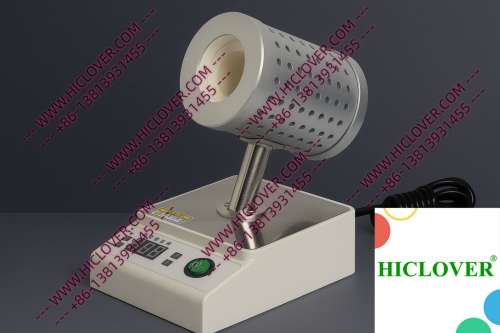
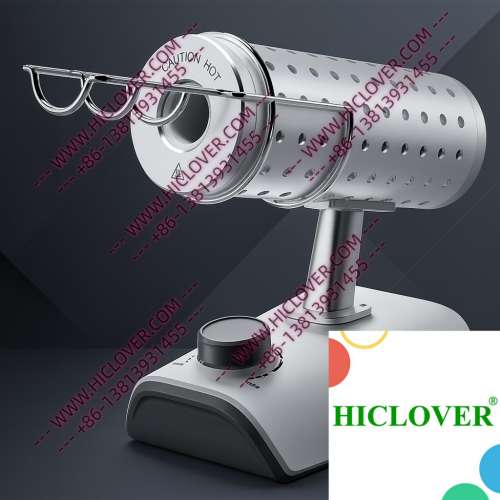
The Micro Incinerator operates on the principle of rapid thermal sterilization through infrared heat. Unlike conventional flame sterilizers, this device employs an enclosed ceramic heating chamber that heats up very quickly, providing high-temperature disinfection of inoculating loops and other small instruments. The absence of an open flame not only minimizes the risk of fire but also assures safe usage within various laboratory environments, including clean benches and field testing sites.
Key Features of the Micro Incinerator
- Infrared Heating Technology: Ensures quick heating and efficient sterilization.
- Compact Design: Portable and easy to transport, ideal for mobile healthcare units.
- No Open Flame: Safer for use in biosafety cabinets and clean rooms.
- Durability: Built with resilient materials to withstand frequent use in demanding environments.
Application Scenarios
1. Biosafety Cabinet Operations
Within BSL-2 and BSL-3 microbiology labs, maintaining sterile conditions is crucial. The Micro Incinerator can be integrated seamlessly into biosafety cabinets, allowing laboratory technicians to sterilize loops without any risk of contamination. The enclosed design provides an aerosol-free environment, preventing the spread of pathogens while ensuring that all tools remain sterilized.
2. Field Testing in Mobile Labs
In mobile healthcare settings, especially in rural or remote areas of Nigeria, access to sterilization facilities is oftentimes limited. The Micro Incinerator provides a crucial solution, enabling healthcare workers to ensure that their instruments are sterilized on-site. This portability ensures that contamination control is maintained even in challenging field conditions, making it an indispensable tool for clinical diagnostics and field-testing labs.
Compliance and Environmental Standards
Global health bodies, including the WHO, outline strict guidelines for laboratory biosafety and sterilization practices. These guidelines emphasize the elimination of potential hazards associated with flame-based sterilization. The Micro Incinerator complies with these biosafety standards, offering a clean, flame-free alternative that is suitable for use in clean rooms.
Using infrared sterilization technology ensures that no harmful particulates are released into the air, adhering to environmental best practices. The non-toxic nature of this sterilization method aligns seamlessly with health safety protocols, making it a preferred option for laboratory settings in Nigeria and beyond.
Comparison: Micro Incinerator vs. Traditional Flame Burners
| Feature | Micro Incinerator | Traditional Flame Burners |
|---|---|---|
| Heating Method | Infrared | Open Flame |
| Portability | Highly Portable | Less Portable |
| Safety | No Open Flame | Fire Hazard |
| Aerosol Control | Aerosol-Free | Potential Aerosol Generation |
FAQs
1. What is the primary advantage of a Micro Incinerator over traditional sterilizers?
The primary advantage is its use of infrared technology, which provides rapid and efficient sterilization without the safety risks associated with open flames.
2. Can the Micro Incinerator be used in teaching labs?
Absolutely. Its safe design and effective sterilization capabilities make it an ideal choice for university teaching labs where students learn to handle microbiological tools responsibly.
3. Is the Micro Incinerator compliant with WHO sterilization protocols?
Yes, it meets the WHO biosafety and sterilization standards, ensuring safe handling and environmental compliance.
4. How does it facilitate contamination control during field testing?
By providing a portable, flame-free sterilization option, the Micro Incinerator reduces the risk of cross-contamination during field tests by ensuring all instruments are sterilized on-site.
5. What materials make up the Micro Incinerator?
The Micro Incinerator is typically constructed with durable materials that are able to withstand high temperatures, including ceramic components for the heating chamber.
Conclusion
Employing modern sterilization technology like the Micro Incinerator not only enhances laboratory workflows but also addresses critical biosafety challenges faced by mobile health units in Nigeria. Its efficiency, portability, and compliance with international standards make it a compelling choice for healthcare providers, educational institutions, and NGOs. If you’re looking to improve your laboratory sterilization processes, feel free to reach out to us for more information about our Micro Incinerator models and solutions tailored to your needs.
Categories:
Tags: