
Laboratories across the globe face a constant challenge in maintaining biosafety while adhering to rigorous sterilization protocols. With an increasing focus on contamination control and safety guidelines, the need for efficient and effective sterilization methods has never been greater. Traditional flame sterilizers have served laboratories for decades; however, with the advent of new technologies like the Micro Incinerator and Infrared Inoculating Loop Sterilizer, the future of sterilization in labs looks promising.
Understanding the Technical Principles
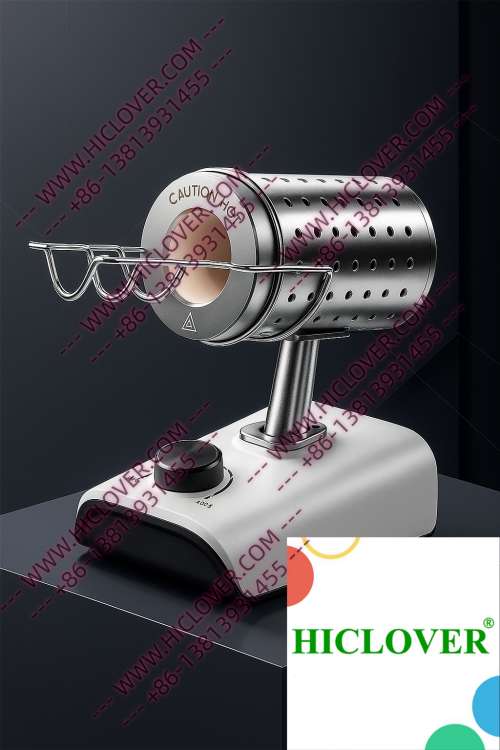
Micro Incinerators operate on the principle of rapid thermal sterilization using infrared heat. Unlike conventional flame sterilizers that rely on combustion processes, the Micro Incinerator employs an enclosed ceramic tube that generates high-temperature infrared rays. This innovative design ensures that the inoculating loops and tools can be sterilized thoroughly within mere seconds.
One of the significant advantages of this technology is that it provides clean-bench-safe operations, allowing it to be used in sensitive environments where open flames could introduce unwanted contaminants into the air. This capability is particularly valuable in BSL-2 and BSL-3 microbiology labs, where maintaining sterile conditions is crucial for safety and accuracy in research.
Real-World Applications
1. Biodiversity Research in Field Testing Labs
Field testing labs often operate under harsh conditions where traditional sterilization methods may not be practical. Portable loop sterilizers allow researchers to efficiently sterilize loops on-site, reducing the risk of contamination when sampling various microorganisms from diverse environments. The lightweight design and ease of use of the Micro Incinerator make it ideal for mobile laboratory operations in rugged terrains.
2. Educational Settings in University Teaching Labs
In university teaching labs, students are often required to learn aseptic techniques. The Micro Incinerator’s quick sterilization time and aerosol-free handling offer a safer learning environment compared to flame sterilizers. This helps students practice microbiological techniques without the added risk of burns or fire hazards, fostering a culture of safety in laboratory practices.
Compliance and Environmental Considerations
Laboratories must comply with strict biosafety regulations, including those set by the World Health Organization (WHO) and various national standards. Open flames are generally prohibited in clean rooms and controlled environments due to the risk of introducing aerosols and particulates. The Micro Incinerator aligns perfectly with these guidelines as it eliminates flame hazards while ensuring thorough sterilization.
Using a state-of-the-art sterilization method not only meets compliance requirements, but also contributes to a safer laboratory environment. Laboratories adopting the Micro Incinerator can streamline their sterilization workflows while enhancing overall safety without compromising effectiveness.
Compliance Reference:
The Micro Incinerator conforms to both ANSI/ISO standards for laboratory safety and international biosafety guidelines.
Comparison of Sterilization Methods
| Feature | Micro Incinerator | Flame Burners |
|---|---|---|
| Operational Safety | High; no flames | Moderate; risk of burns |
| Sterilization Time | 2-5 seconds | Varies; longer |
| Portability | High; battery-operated | Low; requires gas source |
| Use in Clean Rooms | Suitable | Not suitable |
Frequently Asked Questions
- What is a Micro Incinerator?
It is a device that uses infrared heat for rapid thermal sterilization of laboratory tools. - How does the Micro Incinerator differ from traditional flame sterilizers?
Unlike flame sterilizers which pose fire hazards, the Micro Incinerator operates safely without an open flame, making it compliant with clean room requirements. - Can the Micro Incinerator be used in field testing?
Yes, its portability and effectiveness make it ideal for sterilization in diverse environmental conditions. - How long does it take to sterilize an inoculating loop?
The process typically takes between 2-5 seconds, ensuring rapid sterilization. - Is the Micro Incinerator compliant with biosafety regulations?
Yes, it conforms to national and international biosafety standards, including those set by WHO.
Conclusion: A Leap Towards Safer Laboratory Practices
The Micro Incinerator and Infrared Inoculating Loop Sterilizer represent a significant advancement in laboratory sterilization technology. Not only do they address the practical challenges of maintaining biosafety, but they also enhance workflow efficiency. By transitioning to this innovative device, laboratories can meet compliance standards while offering a safer environment for researchers and students alike.
If you’re interested in upgrading your laboratory’s sterilization practices, consider investing in a Micro Incinerator today. For more information or to make a purchase, feel free to contact us!
Categories:
Tags: