
Delhi faces a growing waste management crisis, compounded by the rising demand for laboratory sterilization in research and clinical settings. In many laboratories, especially those dealing with biohazardous materials, the need for effective and reliable sterilization protocols is paramount. The Portable Micro Incinerator, particularly the Infrared Inoculating Loop Sterilizer, has emerged as a vital solution. This compact device not only addresses biosafety challenges but also enhances sterilization workflows, making it a significant asset in the battle against contamination.
Understanding Infrared Technology in Micro Incinerators
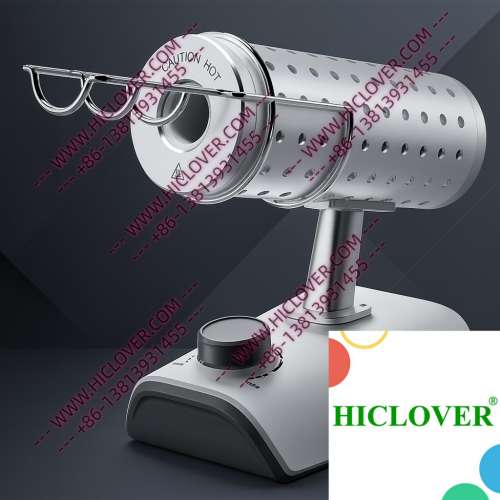
The core technology behind modern Micro Incinerators involves rapid thermal sterilization using infrared heat. This method involves an enclosed ceramic tube that emits high-temperature infrared radiation. When an inoculating loop or other laboratory instruments are inserted into the device, they are sterilized almost instantaneously without the risks associated with traditional flame-based methods. Unlike alcohol lamps or Bunsen burners, which produce open flames, Micro Incinerators offer a safer, clean-bench-safe operation, minimizing aerosol formation and significantly reducing the potential for contamination.
Key Features of Portable Micro Incinerators
- Rapid Sterilization: Achieves sterilization within seconds, enhancing laboratory efficiency.
- Compact and Portable: Ideal for field testing and areas with limited space.
- Safe Operation: Reduces burn risks and eliminates flame-related hazards.
- Minimal Maintenance: Simple to clean with durable components designed for long service life.
Application Scenarios in Modern Labs
1. Biosafety Cabinets in BSL-2 Labs
In a typical BSL-2 laboratory, where researchers work with moderate-risk organisms, maintaining strict biosafety protocols is crucial. Portable Micro Incinerators are often incorporated into biosafety cabinets. The infrared sterilization process allows researchers to efficiently sterilize inoculating loops and instruments without disrupting the sterile environment of the cabinet. This setup not only ensures rapid sterilization but also enhances workflow efficiency by minimizing the steps involved in decontaminating equipment.
2. University Teaching Labs
In educational institutions, teaching labs frequently utilize Micro Incinerators for sterilizing instruments during hands-on sessions. The device’s easy-to-use interface and rapid output allow students to focus on learning without the risks of flame-related accidents. With the Micro Incinerator, instructors can demonstrate proper sterilization techniques safely, thereby instilling best practices in young scientists. The portable nature of the device also allows for seamless relocation in various lab setups or experiments.
Compliance with International Biosafety Standards
Compliance with biosafety regulations is paramount in laboratory settings, particularly in regions with stringent health protocols like India. The World Health Organization (WHO) emphasizes the importance of proper sterilization methods in controlling infection. Micro Incinerators meet key lab sterilization standards that prohibit the use of open flames in clean rooms. Their efficient, flame-free sterilization method minimizes contamination risks, ensuring laboratories maintain compliance with local and international safety guidelines.
Advantages Over Traditional Flame Sterilizers
When comparing Micro Incinerators to traditional flame sterilizers like alcohol lamps and Bunsen burners, several distinctions arise:
| Feature | Micro Incinerator | Flame Sterilizers |
|---|---|---|
| Sterilization Time | Seconds | Varies (up to minutes) |
| Contamination Risk | Minimal | High (aerosol risk) |
| Operation Safety | Flame-free | Open flame |
| Portability | Highly portable | Less portable |
Frequently Asked Questions
What makes Micro Incinerators ideal for clinical diagnostics?
Micro Incinerators provide rapid thermal sterilization without risk of contamination, making them perfect for clinical diagnostics involving sensitive microbial samples.
Can Micro Incinerators be used in mobile laboratories?
Yes, their lightweight and compact design allows for easy transportation and operation in various settings, including mobile or field testing labs.
How do Micro Incinerators comply with biosafety standards?
They operate on a flame-free principle, aligning with WHO recommendations to minimize contamination and ensure safe handling of biohazardous materials.
Are there specific models recommended for teaching labs?
Many models are specifically designed with educational environments in mind, facilitating ease of use and ensuring student safety during laboratory practices.
What maintenance is required for a Micro Incinerator?
Routine cleaning and careful handling are typically sufficient to maintain optimal performance, ensuring longevity and reliability of the device.
Conclusion
The Portable Micro Incinerator represents a revolutionary advancement in laboratory sterilization equipment. As Delhi navigates its waste management crisis, the adoption of innovative technologies such as these becomes essential. By enhancing sterilization processes while ensuring compliance with biosafety standards, the Micro Incinerator not only improves laboratory workflow but also supports broader public health initiatives.
For laboratories, universities, hospitals, and research centers looking to upgrade their sterilization practices, investing in a Micro Incinerator could be a significant step forward. Explore our range of products and contact us for inquiries today!
Categories:
Tags: