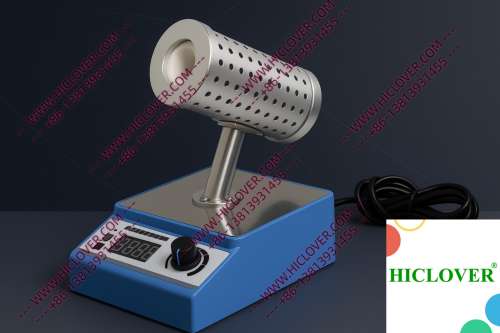
In laboratories across Cameroon, the need for efficient and reliable sterilization methods has never been more crucial. The manipulation of biological samples and infectious materials creates unique biosafety challenges, and conventional sterilization methods, like alcohol lamps and Bunsen burners, may not always deliver the clean and safe environment researchers demand. Enter the Portable Micro Incinerator, a revolutionary solution tailored for the intricacies of modern laboratory sterilization workflows.
Understanding the Technology Behind Micro Incinerators
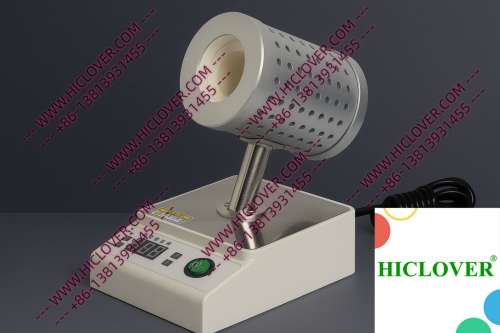
The principle of operation for the Micro Incinerator revolves around rapid thermal sterilization utilizing infrared heat. This device features an enclosed ceramic tube that generates intense heat, sufficient for high-temperature disinfection. Unlike traditional flame-based sterilizers, it operates without open flames, greatly reducing the risk of fire hazards, particularly in sensitive environments like BSL-2 and BSL-3 labs.
Key Features of the Micro Incinerator
- High Efficiency: Provides rapid heating to temperatures exceeding 800°C, ensuring complete sterilization.
- Compact Design: Lightweight and portable, making it ideal for field operations.
- Clean and Safe Operation: Eliminates the risk associated with open flames, making it clean-bench-safe.
- Versatile Use: Suitable for various laboratory environments, from educational institutions to research facilities.
Application Scenarios in Real Labs
Portable Micro Incinerators have found their way into various laboratory settings, demonstrating their versatility and effectiveness across different applications.
1. Field Testing Laboratories
During field tests, researchers often handle potentially hazardous materials. The portability of the Micro Incinerator allows for on-the-spot sterilization of inoculating loops and other laboratory tools, ensuring that samples are uncontaminated before they are transferred back to a main facility. This is essential for maintaining the integrity and reliability of the data collected in the field.
2. University Teaching Labs
In educational settings, students learn the importance of biosafety and contamination control. The Micro Incinerator encourages safe practices by providing a dependable method for sterilizing tools during laboratory sessions. Its ease of use facilitates learning while instilling vital safety protocols among future scientists.
Compliance and Environmental Impact
Adhering to biosafety standards is paramount in laboratory operations. The World Health Organization (WHO) outlines strict guidelines for laboratory hygiene and sterilization, emphasizing the importance of minimizing contamination risks. In several scenarios, including operations in clean rooms, traditional flame sterilization methods are discouraged due to their inherent risks of aerosol production, which can lead to airborne contamination.
With features that align with these safety standards, Micro Incinerators provide a modern and compliant alternative. Their flame-free sterilization process ensures that the operational environment remains safe for researchers while enhancing overall lab safety practices.
Comparison of Micro Incinerators and Traditional Flame Sterilizers
| Feature | Micro Incinerator | Flame Sterilizers |
|---|---|---|
| Operation | Infrared heat | Open flame |
| Efficiency | Rapid sterilization | Variable, depending on the user |
| Safety | Safe for clean bench environments | Risk of fire and aerosol generation |
| Portability | Highly portable | Less portable |
Frequently Asked Questions
What is the operating temperature of a Micro Incinerator?
The Micro Incinerator can achieve temperatures exceeding 800°C, which is effective for complete sterilization of laboratory tools.
Is the Micro Incinerator suitable for use in BSL-2 labs?
Yes, the Micro Incinerator is designed to meet biosafety compliance, making it suitable for BSL-2 and BSL-3 laboratory settings.
Can the Micro Incinerator be used for fieldwork?
Absolutely! Its lightweight, portable design allows for convenient use in various field testing scenarios requiring on-site sterilization.
How does the Micro Incinerator compare to other sterilizers?
Compared to traditional flame sterilizers, the Micro Incinerator offers enhanced safety, speed, and efficiency, particularly in clean environments.
What types of materials can be sterilized using this equipment?
The Micro Incinerator is effective for sterilizing inoculating loops, glassware, and other laboratory implements that come into contact with biological materials.
Conclusion
For laboratories in Cameroon and beyond, the Portable Micro Incinerator represents a transformative approach to waste management and sterilization practices. By integrating modern technology into traditional laboratory workflows, the Micro Incinerator not only simplifies sterilization but also enhances safety and compliance with international laboratory standards. If you are a supplier, research center, or educational institution looking to elevate your laboratory protocols, consider investing in this state-of-the-art sterilization solution. For more information on purchasing, please contact us today.
Categories:
Tags: