
In the realm of laboratory biosafety, the challenges of efficient sterilization and contamination control have never been more pronounced. This is especially true in rural settings in Spain, where limited resources can hinder the effectiveness of laboratory operations. As laboratories—ranging from academic institutions to mobile field testing sites—seek dependable sterilization methods, Portable Micro Incinerators emerge as practical and innovative solutions. Specifically, the Micro Incinerator or Infrared Inoculating Loop Sterilizer stands out for its ability to fulfill rigorous sterilization workflow demands.
Understanding the Technical Principles of Micro Incinerators
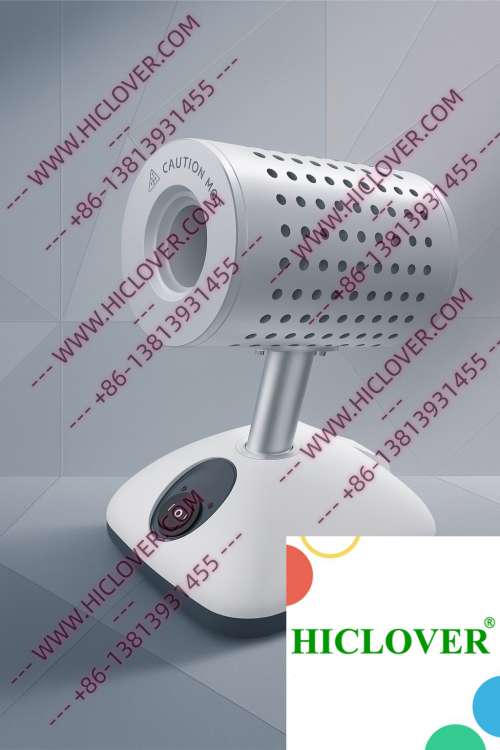
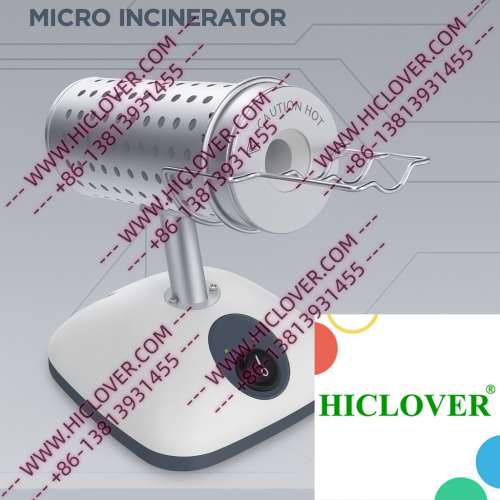
At the core of the Portable Micro Incinerator is the principle of rapid thermal sterilization using infrared heat. Unlike traditional flame sterilizers, which can pose fire hazards and produce aerosols, the Micro Incinerator utilizes an enclosed ceramic heating chamber that reaches temperatures exceeding 800°C (1472°F). This high-temperature disinfection process ensures immediate and effective sterilization of various implements, such as inoculating loops and needles.
The use of infrared heat provides several advantages over conventional flame-based systems:
- Clean-Bench-Safe: The absence of open flames ensures a contamination-free environment, making it suitable for use in biosafety cabinets.
- Aerosol-Free Handling: The design minimizes the risk of generating harmful aerosols during sterilization, a critical concern in microbiology labs.
- Energy Efficient: With quick heating times, the Micro Incinerator offers eco-friendly and cost-effective operational benefits.
Applications in Real Laboratory Settings
1. Teaching Labs in Universities
In educational settings, particularly in university teaching labs where microbiology is studied, the Micro Incinerator provides an efficient means of sterilizing equipment. With the focus on maintaining safety standards while facilitating hands-on education, students can confidently handle sterile implements without the risks associated with flame-based sterilizers. It’s compact design allows for easy mobility between different lab stations or practical sessions.
2. Mobile Field Testing Labs
Rural and remote locations in Spain often require mobile lab setups for environmental testing, clinical diagnostics, and quick response to outbreaks. The Micro Incinerator serves as an essential piece of equipment in these scenarios. Field scientists can reliably sterilize loops and sampling tools, ensuring that their results are not compromised by contamination. Its portable nature means that it can be taken easily to different testing sites, making it indispensable for effective field operation.
Compliance and Environmental Considerations
Laboratories across Spain must adhere to strict biosafety protocols, particularly in BSL-2 and BSL-3 settings, to ensure the secure handling of pathogens and contaminants. The Micro Incinerator aligns with WHO biosafety guidelines, promoting safe operational practices. Devices like traditional alcohol lamps and Bunsen burners are not compliant for use in clean rooms, where flammable materials can create hazardous conditions.
Furthermore, the Micro Incinerator’s precise temperature control means that it effectively meets sterilization standards laid out by health and safety regulatory bodies. Consequently, adopting this technology not only enhances safety but also ensures compliance with applicable sterilization standards.
Comparative Analysis: Micro Incinerator vs. Flame Burners
| Features | Micro Incinerator | Flame Burners |
|---|---|---|
| Safety | No open flames, environmentally safe | Open flames can cause accidents, generating aerosols |
| Efficacy | Consistent high-temperature sterilization | Varied temperature control can lead to incomplete sterilization |
| Portability | Compact and easy to transport | Bulkier and less adaptable in field scenarios |
| Environmental Impact | Energy-efficient | Potential emissions from burning fuels |
Frequently Asked Questions
What types of sterilization does the Micro Incinerator perform?
The Micro Incinerator is designed for the rapid sterilization of lab tools such as inoculating loops, needles, and other laboratory implements through infrared heat.
Is the Micro Incinerator safe for use in clean rooms?
Yes, its design eliminates open flames and minimizes contamination risks, making it ideal for clean room environments.
How fast can the Micro Incinerator achieve sterilization?
The device can achieve rapid thermal sterilization in a matter of seconds, significantly reducing downtime between experiments.
Can the Micro Incinerator be used in field settings?
Absolutely! The portable design allows for easy transportation and effective use in mobile labs and remote testing environments.
What maintenance is required for the Micro Incinerator?
Minimal maintenance is required; regular cleaning of the ceramic heating chamber and ensuring that the power source is functioning properly are key.
Conclusion
As laboratories in rural Spain grapple with the complexities of sterilization and contamination control, the Portable Micro Incinerator undoubtedly stands as a transformative solution. Its unmatched safety features, superior efficacy, and compliance with biosafety standards position it as a necessary tool for innovative laboratory operations. To enhance your laboratory workflows and ensure the highest standards of sterilization, consider adopting the Micro Incinerator—your partner in efficient waste management and laboratory safety.
For inquiries, further information, or to place an order, please do not hesitate to contact us!
Categories:
Tags: