
In the realm of laboratory biosafety, the challenges faced during field research can be as formidable as those encountered in a controlled laboratory environment. Ensuring contamination control is paramount; hence, the demand for effective sterilization workflow solutions is ever-growing. For professionals working in varied settings—from university teaching labs to BSL-3 microbiology environments—the introduction of portable sterilizers like the Micro Incinerator (Infrared Inoculating Loop Sterilizer) has revolutionized laboratory practices.
The Technical Principle Behind Infrared Sterilization
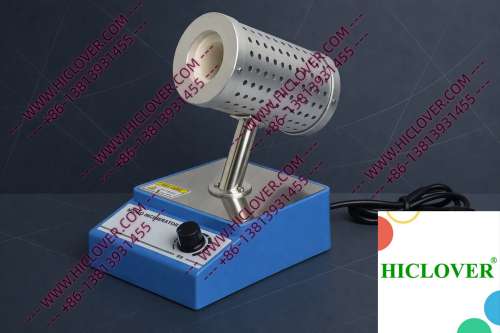
The Micro Incinerator operates on the principle of rapid thermal sterilization via infrared heat. Unlike traditional flame-based methods such as alcohol lamps and Bunsen burners, this sterilizer employs a ceramic heating chamber that provides high-temperature disinfection effectively and quickly. With temperatures reaching up to 850°C, the enclosed ceramic tube ensures that sterilization occurs without the risks associated with open flames.
This design not only contains heat efficiently but also minimizes the potential for aerosol generation, a significant concern in clean environments. The result is a reliable tool that meets the rigorous demands of contamination control while ensuring user safety.
Applications in Real Laboratories
1. Field Testing Labs
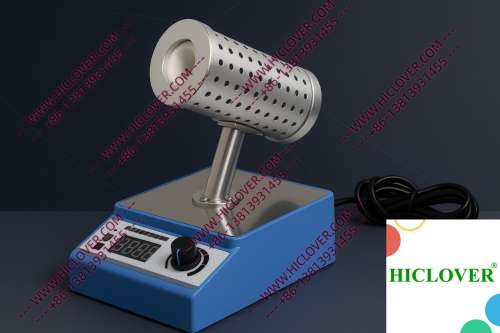
In mobile or field testing situations, where resources are often limited, the Micro Incinerator’s portability and ease of use become invaluable. For instance, researchers conducting environmental microbiology assessments can utilize this sterilizer to quickly sterilize inoculating loops in outdoor settings, where the risk of contamination is significantly heightened. Its efficacy allows for uninterrupted workflows, ensuring that samples remain uncontaminated and results are reliable.
2. University Teaching Labs
In educational institutions, where hands-on training is crucial, the Micro Incinerator integrates seamlessly into laboratory protocols. Students learn the principles of microbiological work without the additional safety concerns posed by flame sterilizers. This fosters a safer educational environment while promoting efficient sterilization practices. With its aerosol-free handling mechanism, it enhances the educational experience for young scientists.
Compliance and Safety: Meeting Regulatory Standards
Staying compliant with governing bodies such as the World Health Organization (WHO) is essential in every research endeavor. The Micro Incinerator adheres to international biosafety standards, safeguarding both users and the integrity of research materials. Traditional flame sterilizers present inherent risks in clean rooms, where the potential for contamination can undermine sterile conditions.
Providing a flame-free solution helps laboratories eliminate hazards associated with open flames. This makes the Micro Incinerator a superior choice for environments requiring strict adherence to biosafety guidelines, such as BSL-2 and BSL-3 microbiology labs.
Advantages Over Traditional Flame Sterilizers
When evaluating sterilization options, the differences in performance and safety offerings between the Micro Incinerator and traditional flame sterilizers become decidedly apparent:
| Feature | Micro Incinerator | Flame Sterilizers |
|---|---|---|
| Temperature Control | 850°C with consistent heat distribution | Variable and often uncontrolled |
| Aerosol Generation | No aerosol risk | High risk of aerosol production |
| Heat Safety | Enclosed design prevents ignition of nearby materials | Open flame poses fire hazards |
| Ease of Use | Compact and portable, suitable for diverse environments | Requires careful handling and setup, less portable |
FAQs: Addressing Common Queries
- What types of laboratories benefit from using the Micro Incinerator? Any laboratory conducting microbial work, especially in biosafety-controlled environments or educational institutions, can benefit from this device.
- Is the Micro Incinerator suitable for outdoor fieldwork? Yes, its portability and quick sterilization capabilities make it an ideal choice for fieldwork in remote locations.
- How does the Micro Incinerator compare to Bunsen burners in terms of safety? It is significantly safer as it does not produce an open flame, reducing the risk of combustion and hazardous aerosol release.
- Can this device be used in CO₂ incubators or anaerobic chambers? Yes, the design ensures that it is compliant with sterile techniques required in such environments.
- How often does the Micro Incinerator need maintenance? Minimal maintenance is required, although regular checks on the heating element and ceramic tube are recommended to ensure optimal performance.
Conclusion: Elevate Your Laboratory’s Sterilization Protocols
As laboratory operations continue to evolve and the demand for safe, effective sterilization methods grows, portable sterilizers like the Micro Incinerator have emerged as a necessity in both academic and research environments. Their compliance with international biosafety standards and their ability to provide high-temperature disinfection without the risks associated with traditional flame sterilizers positions them as a crucial component of modern laboratory workflows.
If your lab is looking to upgrade its sterilization protocol or enhance safety during field research, consider investing in the Micro Incinerator. Contact us today for more information or to discuss purchasing options tailored to your laboratory’s needs!
Categories:
Tags: