
In the realms of laboratory biosafety, the challenges surrounding sterilization can be overwhelming. As field biologists venture into unpredictable environments, they encounter various contaminants that could compromise their research. Efficient sterilization workflows are paramount, particularly when maintaining sample integrity during field testing or laboratory experiments. Among laboratory sterilization equipment, one device has emerged as a game-changer: the Micro Incinerator or Infrared Inoculating Loop Sterilizer.
Understanding the Micro Incinerator: A Revolutionary Technology
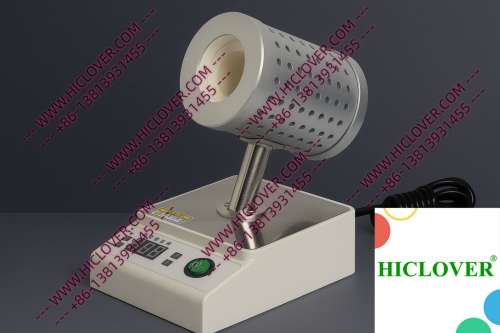
The Micro Incinerator employs advanced infrared heating technology to achieve rapid thermal sterilization. Unlike traditional flame sterilizers, such as Bunsen burners and alcohol lamps, which can introduce aerosolized contaminants into the work environment, the Micro Incinerator provides a clean-bench-safe solution. This device features an enclosed ceramic heating chamber that maximizes safety and efficiency by concentrating intense infrared heat where it is most needed.
Key Features of the Micro Incinerator
- Rapid Heating: Reaches sterilization temperatures in seconds, allowing field biologists to streamline their workflow.
- Aerosol-Free Handling: Minimizes the risk of airborne contaminants, enhancing overall laboratory safety.
- Compact Design: Portable and lightweight, making it ideal for mobile laboratories and field use.
- Durable Construction: Built to withstand harsh environmental conditions typical of field testing.
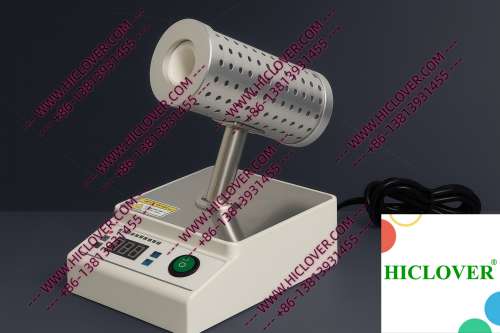
Application Scenarios: The Versatility of Micro Incinerators
Field biologists encounter diverse situations that necessitate reliable sterilization methods. Below are two application scenarios showcasing the impact of Micro Incinerators in real laboratory settings.
1. Field Testing in Remote Locations
Consider a field biologist conducting sample collections in a remote rainforest. Carrying traditional flame sterilizers presents logistical challenges, including fuel concerns and safety risks. In contrast, the portability and efficiency of a Micro Incinerator allow researchers to perform quick sterilization of inoculating loops and other utensils without compromising on safety. The device’s rapid thermal sterilization ensures that contamination control practices are upheld even in the most challenging environments.
2. University Teaching Laboratories
In university laboratory settings, where students are often new to biosafety standards, the Micro Incinerator serves as an exceptional teaching tool. With its user-friendly design and effective sterilization capabilities, it allows students to practice aseptic techniques confidently. Instructors can demonstrate proper handling methods without the hazards associated with open flames, ensuring compliance with modern biosafety standards.
Compliance and Environmental Considerations
Compliance with international biosafety standards, such as those set by the World Health Organization (WHO), is critical in today’s laboratories. Flame sterilizers often fall short when it comes to safety in clean rooms and BSL-2 or BSL-3 microbiology labs. The use of a Micro Incinerator aligns with strict laboratory sterilization standards due to its closed design, which prevents the entry of contaminants into the sterile environment. Additionally, the infrared high-temperature disinfection process generates no open flames, addressing safety concerns when working near sensitive equipment like CO₂ incubators and anaerobic chambers.
Comparative Overview: Micro Incinerator vs. Traditional Flame Sterilizers
| Feature | Micro Incinerator | Traditional Flame Sterilizers |
|---|---|---|
| Heating Method | Infrared Heating | Open Flame |
| Safety | Aerosol-Free, Enclosed Design | Risk of Contamination and Fire Hazards |
| Portability | Highly Portable | Bulky, Requires Fuel |
| Heating Speed | Instantaneous | Slow, Requires Preparation |
| Compliance with Biosafety Standards | Meets WHO and Lab Standards | May Not Meet Strict Cool Room Criteria |
Frequently Asked Questions
What types of sterilization are performed by the Micro Incinerator?
The Micro Incinerator performs rapid thermal sterilization, effectively eliminating bacteria and other pathogens by using infrared heat.
Can the Micro Incinerator be used in cleanroom environments?
Yes, its enclosed design and aerosol-free operation make it suitable for cleanroom environments, aligning with industry safety regulations.
How does the Micro Incinerator differ from traditional flame sterilizers?
Unlike flame sterilizers that risk contamination with open flames, the Micro Incinerator offers safe, rapid sterilization with minimal risk of aerosol creation.
Is the Micro Incinerator portable?
Absolutely. Its compact design allows for easy transportation, making it ideal for fieldwork or use in various laboratory settings.
What are the typical applications for a Micro Incinerator?
It is commonly used in field testing labs, university teaching labs, and BSL-2 / BSL-3 microbiology laboratories for effective sterilization of instruments.
Conclusion
The Micro Incinerator represents a revolutionary leap in laboratory sterilization technology, providing field biologists and researchers with a safe, efficient, and portable option for combating contamination. With its capabilities perfectly aligning with compliance standards and laboratory safety protocols, this sterilizer greatly enhances the workflow in various laboratory settings. For more information on how a Micro Incinerator can elevate your laboratory practices, we invite you to reach out for a consultation or explore purchase options.
Categories:
Tags: