
In the heart of Raleigh, North Carolina, laboratory professionals face increasingly complex biosafety challenges in their quest to maintain the highest standards of sterilization. From clinical diagnostics to university teaching labs, the demand for rapid thermal sterilization methods that ensure contamination control has never been greater. This urgency has led to a notable trend toward utilizing cutting-edge sterilization equipment, particularly the Micro Incinerator / Infrared Inoculating Loop Sterilizer.
Understanding the Technical Principles of Infrared Sterilization
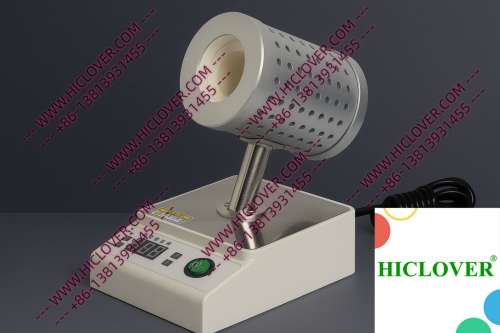
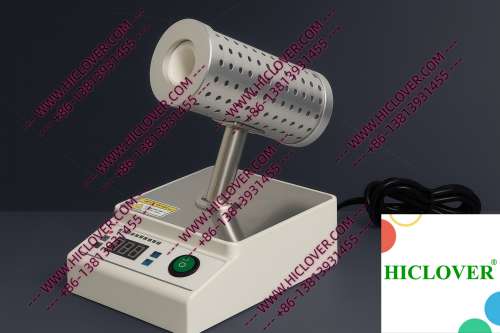
The Micro Incinerator utilizes a ceramic heating chamber that generates infrared high-temperature disinfection. This technique exposes inoculating loops to infrared heat in an enclosed ceramic tube that provides precise temperature control, ensuring that sterilization is efficient and reproducible. Unlike traditional flame sterilizers such as alcohol lamps or Bunsen burners, which can introduce unwanted variables into the sterilization process, the Micro Incinerator delivers consistent performance.
The key differentiator lies in its contamination control capabilities. The infrared sterilizer minimizes the risk of aerosol generation during the sterilization process, significantly reducing contamination risks in sensitive clinical and research environments.
Real-World Applications in Laboratory Settings
- Biosafety Cabinets: Micro Incinerators are essential in BSL-2 and BSL-3 microbiology labs where maintaining a sterile environment is paramount. The enclosed design of the Micro Incinerator produces no flames, which makes it ideal for use in biosafety cabinets where flammable vapors may be present.
- Field Testing: Mobile and field testing labs benefit from the portability and efficiency of the Micro Incinerator. Researchers working in the field can quickly sterilize their inoculating loops without the need for cumbersome flame sources, allowing for rapid analysis and data collection.
- Enhanced precision in temperature control.
- Reduction of contamination risks associated with traditional flame methods.
- Rapid reusability during experiments, enhancing workflow efficiency.
- Safety advantages in a laboratory environment by eliminating open flames.
Compliance with Laboratory Standards
Adhering to stringent biosafety standards is crucial for laboratories to ensure not only the safety of personnel but also the validity of research outcomes. Organizations like the World Health Organization (WHO) recommend investing in efficient sterilization methods to mitigate the risk of contamination in laboratories globally.
Incorporating Infrared Inoculating Loop Sterilizers aligns laboratories with established sterilization standards, particularly in clean room environments. The absence of an open flame reduces the potential for combustion, making it an optimal choice for sensitive environments such as CO₂ incubators or anaerobic chambers.
Micro Incinerator vs. Traditional Flame Sterilizers
| Feature | Micro Incinerator | Traditional Flame Sterilizers |
|---|---|---|
| Type of Heat | Infrared | Open Flame |
| Contamination Risk | Minimized | Higher |
| Temperature Control | Precise & Adjustable | Variable |
| Portability | High | Limited |
| Flame Safety | Clean-bench-safe | Risk of Fire Hazard |
Why Choose the Micro Incinerator for Your Laboratory Needs?
The need for high-quality sterilization equipment in Raleigh’s laboratories is evident. The Micro Incinerator excels in rapid thermal sterilization, ensuring that laboratories not just meet but exceed the biosafety compliance requirements. Facilities are turning to this innovative equipment for several reasons:
FAQs About Micro Incinerators
What is the main advantage of using a Micro Incinerator over flame sterilizers?
The primary advantage is the consistent, high-temperature sterilization that minimizes contamination risks, particularly in environments where an open flame could pose safety hazards.
Can the Micro Incinerator be used in teaching labs?
Yes, its safety and efficiency make it ideal for use in university teaching labs, allowing students to learn the principles of sterilization without exposure to an open flame.
Is it safe to use in BSL-3 laboratories?
Absolutely. The enclosed design of the Micro Incinerator significantly reduces aerosol generation and is compliant with BSL-3 laboratory standards.
How does the Micro Incinerator contribute to lowering operational costs?
By providing rapid thermal sterilization without fuel costs associated with traditional flame sterilizers, it contributes to overall operational efficiency.
What maintenance does a Micro Incinerator require?
It generally requires minimal maintenance, with regular checks to ensure that the heating element and ceramic chamber function at optimal levels.
Conclusion: Elevate Your Laboratory Practices
Laboratories in Raleigh and beyond cannot afford to overlook the importance of modern sterilization technology. The Micro Incinerator / Infrared Inoculating Loop Sterilizer not only enhances precision and purity but also aligns with best practices for laboratory safety and compliance. For those looking to upgrade their sterilization equipment, contact us today to explore our range of options and discover how we can elevate your laboratory’s efficiency and safety standards.
Categories:
Tags: