
In modern laboratories, biosafety challenges are a constant concern. From microbiology to clinical diagnostics, the presence of pathogens makes contamination control paramount. As labs strive to maintain sterile environments, the demand for effective sterilization workflow solutions has sharply increased. One such solution gaining traction is the Micro Incinerator or Infrared Inoculating Loop Sterilizer, a state-of-the-art device designed to combat airborne pathogens and provide rapid thermal sterilization.
Technical Principles of Infrared Inoculating Loop Sterilizers
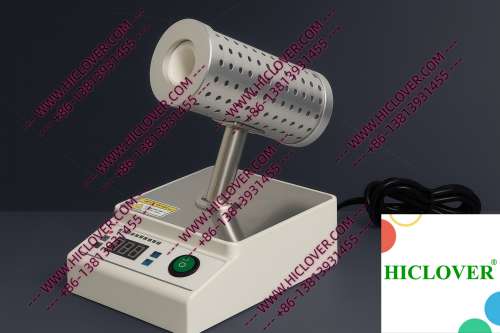
The Micro Incinerator operates on the principle of infrared heat generated within an enclosed ceramic tube, allowing for high-temperature disinfection without the risks associated with open flames. Unlike traditional alcohol lamps or Bunsen burners, which require the ignition of combustible materials, the Micro Incinerator offers a clean-bench-safe experience. The ceramic heating chamber achieves temperatures exceeding 800°C, enabling rapid sterilization of inoculating loops and needles in mere seconds. This high degree of thermal sterilization effectively eliminates bacterial spores, thus protecting lab personnel and maintaining sample integrity.
Applications of Micro Incinerators in Various Laboratory Settings
Micro Incinerators find their utility across several laboratory environments, enhancing biosafety while improving operational efficiency. Below are two notable application scenarios:
1. University Teaching Labs
In university pedagogy, students often work with various microbial cultures under educational programs. The application of micro incinerators allows trainees to practice sterilization techniques safely without the risk of aerosol generation. This is particularly significant when working with potentially hazardous microorganisms in BSL-2 laboratories. The sterilizer’s rapid thermal action minimizes wait times, enabling students to focus on their experiments rather than routine sterilization.
2. Clinical Diagnostics in BSL-3 Facilities
Clinical diagnostic labs that operate at BSL-3 levels require stringent sterilization protocols. The Micro Incinerator provides an excellent solution for maintaining the sterility of inoculating loops used in cultures for pathogenic species such as Mycobacterium tuberculosis. The device can be positioned within biosafety cabinets, ensuring that no contamination is introduced during sterilization. Its which compact design and rapid operation enhance compliance with strict laboratory protocols while safeguarding personnel from exposure.
Compliance with Global Sterilization Standards
Complying with international biosafety standards is crucial for laboratories that handle infectious agents. The World Health Organization (WHO) outlines guidelines for sterilization practices, emphasizing the importance of minimizing flame use in cleanroom environments. The design of the Micro Incinerator aligns with these mandates as it eliminates combustion by-products. This is vital in settings where cleanliness is critical, notably in pharmaceutical labs and research facilities located in regions like Europe and North America, where regulatory compliance is rigorously enforced.
Advantages Over Traditional Flame Sterilizers
Micro Incinerators offer several advantages compared to traditional sterilization methods:
- Aerosol-Free Handling: Prevents the generation of aerosols that could disperse pathogens.
- Rapid Thermal Sterilization: Achieves sterilization in seconds, minimizing downtime.
- Clean-Bench-Safe: Reduces contamination risks associated with flame applications.
- Safety: Eliminates the hazards of open flames and flammable materials.
Comparative Analysis: Micro Incinerator vs. Flame Burners
| Feature | Micro Incinerator | Flame Burner |
|---|---|---|
| Sterilization Time | Seconds | Minutes |
| Aerosol Production | None | Possible |
| Open Flame Risk | Minimal | High |
| Heat Source | Infrared | Combustion |
| Usability in Clean Rooms | Yes | No |
Frequently Asked Questions
- What is the max temperature a Micro Incinerator can reach? The Micro Incinerator can achieve temperatures exceeding 800°C, allowing for rapid and effective sterilization.
- How does the Micro Incinerator compare to traditional sterilizers? It offers faster sterilization times, minimizes aerosol generation, and poses less risk due to the absence of open flames.
- Where is the best application for the Micro Incinerator? It is optimal for university teaching labs, clinical diagnostics, and BSL-3 facilities, ensuring compliance with strict safety regulations.
- Is the Micro Incinerator suitable for mobile field testing labs? Yes, its compact design makes it highly suitable for field applications where rapid sterilization is necessary.
- Are there specific biosafety regulations for this type of sterilizer? Yes, the Micro Incinerator complies with WHO biosafety standards, making it ideal for environments dealing with infectious agents.
Conclusion
In an age where laboratory safety is paramount, adopting advanced sterilization technologies like the Micro Incinerator is not just beneficial—it’s essential. Its efficient and safe operation can significantly improve laboratory workflows, particularly in sectors where compliance with stringent sterility standards is required. If you are looking to elevate your laboratory’s sterilization practices while embedding safety in your workflows, consider reaching out for more information on acquiring a Micro Incinerator or find out how it can enhance your contamination control strategies today.
Categories:
Tags: