
In any laboratory setting, contamination control is paramount to maintaining the integrity of research and ensuring the safety of personnel. As biosafety becomes increasingly critical, laboratory professionals face the challenge of adhering to stringent sterilization workflows. Innovative sterilization equipment, like the Micro Incinerator or Infrared Inoculating Loop Sterilizer, has emerged as a versatile solution for enhancing lab practices. This article delves into best practices for utilizing these devices within laminar flow cabinets, ensuring both effective sterilization and compliance with regulatory standards.
Understanding the Technical Principles of Infrared Sterilizers
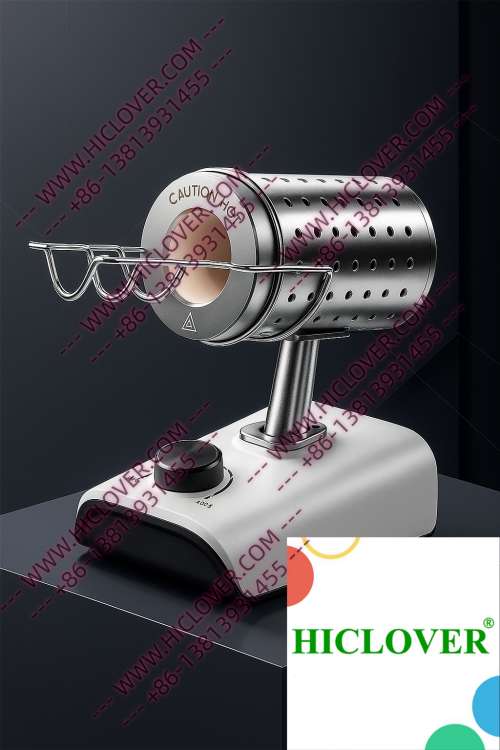
Micro Incinerators utilize rapid thermal sterilization, leveraging infrared heat generated within an enclosed ceramic tube. Unlike traditional flame sterilizers, such as Bunsen burners or alcohol lamps, these units operate without an open flame, significantly reducing the risk of contamination. The ceramic heating chamber allows precise control of temperatures, effectively deactivating pathogens without emitting harmful aerosols or byproducts.
Key Advantages Over Traditional Flame Sterilizers
- Increased Safety: No open flames, reducing fire hazards.
- Aerosol-Free: Minimizes the risk of airborne contamination during sterilization.
- Rapid Heating: Quick turnaround for sterilization between sample preparations.
- Controlled Environment: Effective for use within a laminar flow cabinet that provides a clean air environment.
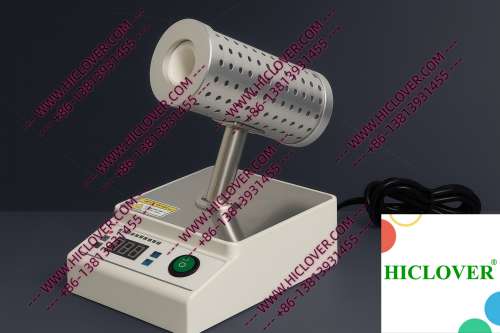
Application Scenarios in Real Laboratories
Biosafety Cabinets
In BSL-2 and BSL-3 microbiology labs, the use of laminar flow cabinets is critical for maintaining sterile conditions while working with potentially harmful pathogens. Incorporating a Micro Incinerator within these cabinets allows for swift and effective sterilization of inoculating loops and other lab equipment, ensuring that any tools used for microbial handling are free from contamination before use. In high-stakes environments, this level of control not only protects samples but also the health of laboratory workers.
University Teaching Labs
In academic settings, demonstrating microbial techniques requires effective sterilization methods that align with the educational goals of safety and accuracy. The Micro Incinerator provides students with direct experience utilizing modern sterilization methods that adhere to safety protocols. By utilizing the sterilizer in teaching labs, educators can emphasize the importance of contamination control, instilling best practices in future scientists. This is especially pertinent in courses involving microbiological techniques, where maintaining sterile conditions is crucial to experimental success.
Compliance with Biosafety and Sterilization Standards
Laboratories must comply with various biosafety regulations, such as those outlined by the World Health Organization (WHO) and national standards. Compliance dictates that sterilization methods must not only be effective but must also facilitate safe laboratory operations. The Micro Incinerator aligns with these requirements, being flame-free, which is essential in clean-room environments where flammable materials are present.
Moreover, modern lab sterilization standards emphasize reducing risks of aerosol generation. The use of infrared sterilization, which does not produce aerosols, is in line with these safety protocols, making it an optimal choice for compliance-driven environments.
Comparison of Sterilizers: Micro Incinerator vs. Flame Burners
| Feature | Micro Incinerator | Flame Burners |
|---|---|---|
| Open Flame | No | Yes |
| Temperature Control | Precise | Variable |
| Aerosol Generation | No | Yes |
| Speed of Sterilization | Rapid | Moderate |
| Ease of Use | User-friendly | Requires skill |
Frequently Asked Questions
What is an Infrared Inoculating Loop Sterilizer?
An Infrared Inoculating Loop Sterilizer, such as a Micro Incinerator, uses infrared heat to sterilize inoculating loops and other laboratory tools, offering a safer and more efficient alternative to traditional flame sterilizers.
How does a Micro Incinerator work?
The Micro Incinerator works by emitting infrared heat from an enclosed ceramic tube, providing rapid and effective sterilization without the risk of flames or aerosols.
Is using a Micro Incinerator safe in a laminar flow cabinet?
Yes, a Micro Incinerator is safe to use in a laminar flow cabinet. Its design minimizes contaminants while providing a steady heated surface to sterilize tools effectively.
How does using a Micro Incinerator comply with WHO standards?
By employing no open flames and reducing aerosol generation, using a Micro Incinerator meets WHO standards for safe sterilization practices in laboratory environments.
What maintenance is required for an Infrared Inoculating Loop Sterilizer?
Regular cleaning of the exterior and the ceramic tube, as well as periodic checks of the heating element, ensure optimal performance and reliability of the sterilizer.
Conclusion
In conclusion, the integration of the Micro Incinerator/Infrared Inoculating Loop Sterilizer into lab workflows significantly enhances contamination control while adhering to essential biosafety regulations. Its advantages over traditional flame sterilizers not only streamline sterilization processes but also foster safer laboratory environments. To explore how this advanced sterilization equipment can improve your laboratory practices, feel free to contact us for a consultation or place an order today!
Categories:
Tags: