
In today’s laboratories, safety and efficiency are paramount, particularly when it involves the sterilization of tools and preventing contamination. Traditional flame sterilizers, such as Bunsen burners and alcohol lamps, have their limitations, with risks including uncontrolled flames and toxic fumes. As laboratories in Malaysia embrace innovative solutions, the integration of Micro Incinerators, particularly the Infrared Inoculating Loop Sterilizer, stands out as a game-changer in laboratory sterilization workflows.
Understanding Micro Incinerators: Technical Principles
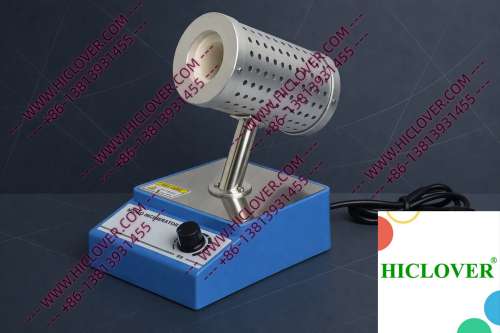
The Micro Incinerator is a sophisticated piece of laboratory sterilization equipment utilizing infrared heat for rapid thermal sterilization. Unlike conventional flame-based devices, this technology focuses on enclosed ceramic tubes that generate high temperatures without an open flame. The ceramic heating chamber allows for aerosol-free handling and ensures clean-bench-safe operations, making it ideal for biosafety cabinet use.
The Infrared Inoculating Loop Sterilizer operates by directing concentrated infrared energy toward the inoculation loop or other sterilization targets, resulting in effective high-temperature disinfection. This technology provides reliable sterilization while enhancing the overall safety and cleanliness of laboratory procedures.
Application Scenarios in Malaysian Laboratories
Biosafety Cabinet Use
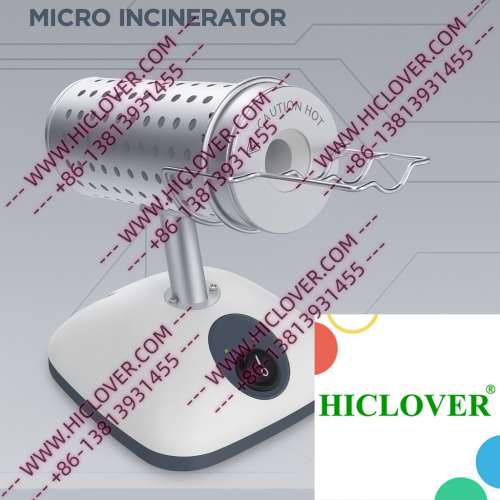
In biosafety level 2 (BSL-2) and level 3 (BSL-3) microbiology labs, maintaining strict contamination control is essential. The Micro Incinerator is an ideal choice for sterilizing inoculation loops and other laboratory tools within biosafety cabinets. Its enclosed design minimizes exposure to contaminants and ensures that the sterilization process does not compromise sterile conditions. This application is particularly critical in labs handling pathogenic microorganisms that necessitate stringent safety measures.
Field Testing Labs
Mobile or field testing labs often encounter challenges with sterilization due to variable conditions and the lack of access to conventional sterilization equipment. The portability and efficient performance of the Micro Incinerator make it an optimal solution for these scenarios. For instance, researchers conducting environmental health assessments can efficiently sterilize sampling tools in the field, ensuring the integrity of their samples while adhering to WHO guidelines for laboratory safety.
Compliance and Environmental Considerations
Adherence to international biosafety standards is crucial in promoting environmental health. The World Health Organization (WHO) outlines stringent biosafety guidelines that laboratories must follow, including standards for sterilization practices. The use of the Micro Incinerator aligns with these guidelines, providing a flame-free option that is especially vital in clean rooms where open flames are prohibited. Furthermore, its environmentally friendly operation reduces the carbon footprint associated with traditional flame sterilization methods, contributing to a more sustainable waste management strategy in Malaysia.
Comparison Table: Micro Incinerator vs. Flame Burners
| Feature | Micro Incinerator | Flame Burners |
|---|---|---|
| Energy Source | Infrared Heating | Open Flame |
| Temperature Control | Precise and Rapid | Variable |
| Workplace Safety | Flame-free | Fire Hazards |
| Contamination Control | Aerosol-free | Higher Risk |
| Environmental Impact | Low Carbon Footprint | Higher Emission |
Advantages of Micro Incinerators Over Traditional Flame Sterilizers
- Rapid Thermal Sterilization: Offers swift and effective disinfection.
- Clean-bench-safe Operations: Minimizes contamination risks in sterile environments.
- Reduced Aerosol Production: Enhances safety for laboratory personnel.
- Environmentally Sustainable: Lowers emissions and reduces fire risks.
Frequently Asked Questions (FAQs)
- What is a Micro Incinerator used for in laboratories?
- Micro Incinerators are primarily used for rapid thermal sterilization of inoculation loops and small lab instruments.
- How does infrared sterilization compare to flame sterilization?
- Infrared sterilization is more controlled, efficient, and safe, eliminating the risks associated with open flames.
- Are Micro Incinerators compliant with international biosafety standards?
- Yes, they align with WHO biosafety guidelines and are suitable for use in BSL-2 and BSL-3 laboratories.
- Can I use a Micro Incinerator in field testing settings?
- Absolutely! Their portable design allows for efficient use in various environments, including field tests.
- What safety features should I look for in a Micro Incinerator?
- Look for features like enclosed heating elements, programmable temperature settings, and a user-friendly interface.
Conclusion: Enhance Your Laboratory’s Sterilization Process
Embracing the Micro Incinerator as part of Malaysia’s waste management strategy is not just an advancement in laboratory sterilization; it’s a commitment to promoting environmental health and safety. This innovative technology seamlessly integrates into diverse laboratory settings—from BSL-2 microbiology labs to mobile field testing units—ensuring best practices in contamination control while adhering to strict compliance standards.
For hospitals, universities, and research centers keen on upgrading their laboratory sterilization equipment, now is the time to consider the benefits that a Micro Incinerator can provide. Contact us today to explore how this state-of-the-art technology can transform your laboratory practices and enhance safety and efficiency in your operations.
Categories:
Tags: