
In the modern laboratory setting, maintaining a high level of biosafety is paramount. Laboratory professionals face numerous challenges, from minimizing contamination risks to adhering to strict sterilization protocols. One critical aspect of this workflow involves the choice of sterilization equipment. Traditional methods such as alcohol lamps and Bunsen burners, while effective, present risks associated with open flames, especially in sensitive environments like BSL-2 and BSL-3 labs. As such, many researchers and laboratory managers are turning to non-flame sterilizers, specifically the Micro Incinerator or Infrared Inoculating Loop Sterilizer, to enhance safety and efficiency.
Understanding the Micro Incinerator: Technical Principles
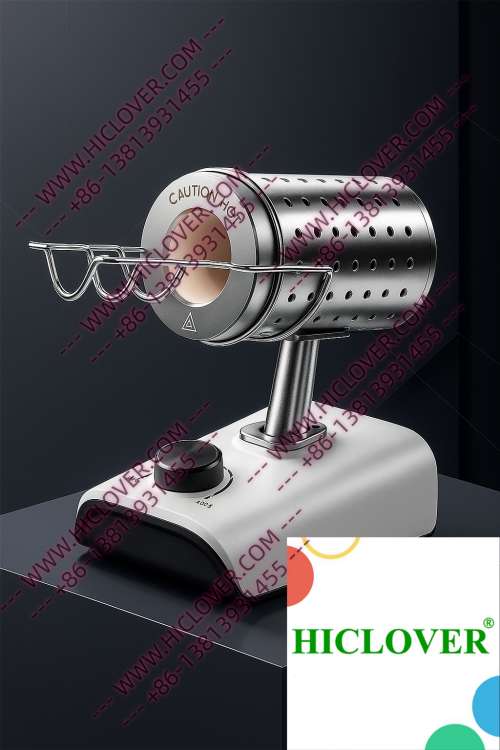
The Micro Incinerator operates on the principle of rapid thermal sterilization through infrared heat generation. Enclosed in a ceramic heating chamber, these devices achieve high temperatures quickly and efficiently, which is crucial for effective disinfection without aerosol generation. The enclosed design minimizes risks that may arise from open flames, making it suitable for various laboratory environments.
Why Choose Infrared Sterilizers?
- Rapid Heating: Infrared radiation heats surfaces directly, offering immediate sterilization capabilities.
- Contamination Control: Reduces the risk of flame-to-surface splatter and aerosol emissions.
- Ease of Use: Simple operation enhances workflow efficiency.
- Versatility: Suitable for various applications—from academic labs to field testing.
- Compliance Ready: Aligns with biosafety standards by eliminating open flames in clean room settings.
Application Scenarios in Real Labs
1. Biosafety Cabinets and Clean Rooms
In microbiology labs operating within biosafety cabinets, the ability to perform sterilization without introducing flames is critical. The Micro Incinerator can be utilized effectively in these environments, allowing researchers to sterilize inoculating loops, needles, and other tools swiftly while ensuring that the sterile working environment remains intact.
2. Teaching Laboratories
University teaching labs have increasingly adopted non-flame sterilizers for instructional purposes. The Micro Incinerator is user-friendly, allowing students to gain hands-on experience with sterilization techniques while minimizing safety risks. Its quick heating capabilities ensure that instructional time is optimized, facilitating a smoother learning process.
Compliance and Safety Considerations
According to WHO biosafety guidelines, laboratories must adhere to strict sterilization protocols to prevent contamination and ensure safe handling of biological materials. Regulations across different regions, such as in Europe and North America, emphasize the need for compliance with sterilization standards that prohibit open flames in cleanrooms. By using non-flame sterilizers like the Micro Incinerator, labs can mitigate these risks effectively.
The use of infrared sterilizers in cleanroom environments promotes safety, aligning with best practices set forth by international biosafety regulations.
Micro Incinerator vs. Flame Burners: A Comparative Overview
| Feature | Micro Incinerator | Flame Burners (e.g., Bunsen burner) |
|---|---|---|
| Safety | Flame-free, enclosed design | Open flame, higher risk of accidents |
| Heating Time | Instantaneous heating | Requires ignition and warm-up time |
| Energy Efficiency | Low energy consumption | Higher energy use due to flame maintenance |
| Contamination Control | No aerosol generation | Potential for aerosol and environmental contamination |
What Lab Professionals Should Keep in Mind
For laboratory personnel, understanding the intricacies of sterilization equipment is essential for workflow improvement and safety enhancement. Laboratory managers should consider the operational demands their teams face and opt for equipment that not only meets technical requirements but also aligns with compliance standards. The Micro Incinerator represents a valuable investment for a variety of lab settings, including clinical diagnostics and mobile field testing labs.
Frequently Asked Questions
What types of materials can be sterilized using the Micro Incinerator?
The Micro Incinerator is designed to sterilize metallic instruments such as inoculating loops, needles, and other reusable lab equipment simply and effectively.
How does the Micro Incinerator reduce contamination risks compared to traditional methods?
By utilizing infrared heat in a closed chamber, the Micro Incinerator eliminates the risk of aerosol generation and protects sensitive operations from open flames, thereby enhancing contamination control.
Is the Micro Incinerator compliant with international biosafety regulations?
Yes, the Micro Incinerator complies with various biosafety standards set by organizations like WHO, making it an ideal choice for BSL-2 and BSL-3 laboratories.
Can the Micro Incinerator be used in field testing environments?
Absolutely! Its portability and quick heating capabilities make it suitable for mobile testing labs, allowing for effective sterilization in diverse settings.
What benefits does the Micro Incinerator offer in teaching labs?
This device provides a safer alternative for students learning sterilization techniques, enabling hands-on learning without the associated risks of traditional flame methods.
Conclusion
As laboratory safety continues to be a top priority, the introduction of non-flame sterilizers like the Micro Incinerator is transforming sterilization practices across various settings. With their straightforward operation and exceptional biosafety compliance, these devices stand out as essential tools for modern laboratories. If you are ready to enhance your laboratory’s safety and efficiency, consider investing in a Micro Incinerator today. Feel free to contact us for more information on how we can assist you in selecting the right sterilization equipment for your needs!
Categories:
Tags: