
In today’s rapidly advancing scientific landscape, maintaining a sterile environment is crucial for successful research outcomes. Laboratories face significant biosafety challenges, particularly in the context of effective sterilization workflows. The struggle to eliminate contamination without compromising safety or efficiency has led many researchers to adopt innovative sterilization equipment, such as the Micro Incinerator or Infrared Inoculating Loop Sterilizer. This article delves into the critical aspects affecting biosafety and outlines how advanced loop sterilizers can positively influence laboratory practices.
The Technical Principle Behind Infrared Loop Sterilizers
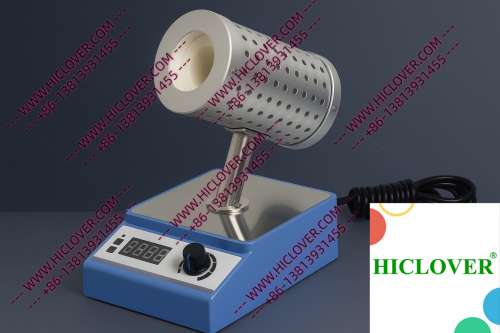
At the core of the Micro Incinerator’s efficiency is its use of infrared heat, which ensures rapid thermal sterilization while significantly reducing the risk of contamination. The device features an enclosed ceramic heating chamber that reaches high temperatures almost instantaneously, allowing for the disinfection of inoculating loops without the hazards associated with traditional flame-based systems.
Unlike alcohol lamps or Bunsen burners, which can introduce unwanted aerosols or residual combustion products, the infrared technology provides a clean-bench-safe solution. It eliminates the risk of igniting flammable materials often found in laboratories, aligning perfectly with modern laboratory safety protocols.
Applications of Loop Sterilizers in Real Labs
Let’s explore some practical applications of Micro Incinerators in various lab settings:
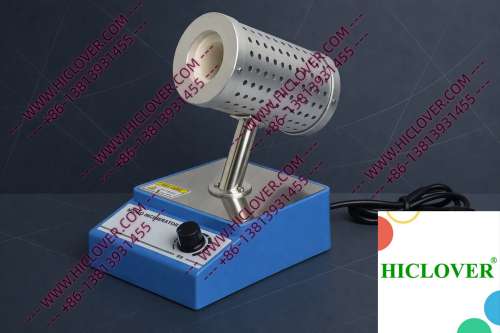
- Biosafety Cabinets: In BSL-2 and BSL-3 microbiology labs, the Micro Incinerator provides an efficient means of sterilizing loops directly within the cabinet. This minimizes the risk of contamination and ensures that pathogens are effectively eliminated without introducing flame hazards.
- Field Testing Laboratories: For researchers conducting mobile testing in remote locations, portable infrared inoculating loop sterilizers offer quick and efficient sterilization without reliance on electrical outlets or open flames. These devices are pivotal for collecting uncontaminated samples in various environments, including environmental monitoring and clinical diagnostics.
- University Teaching Labs: In educational settings, the Micro Incinerator serves as an ideal tool for teaching proper inoculation techniques. The device not only demystifies the sterilization process for students but also emphasizes the importance of safe laboratory practices.
Compliance with Biosafety and Sterilization Standards
Ensuring compliance with international biosafety standards is paramount for laboratories aiming to prevent cross-contamination. Regulatory bodies like the World Health Organization (WHO) outline stringent biosafety guidelines for laboratory pasteurization and sterilization practices. These include:
- Use of appropriate sterilization techniques to eliminate pathogens.
- Maintaining a flame-free environment in clean rooms to reduce the risk of particulate contamination.
- Implementation of heat-based sterilizers that are effective in rapidly achieving target temperatures without residual contaminants.
By adhering to these standards, laboratories can foster better research outcomes while ensuring the safety of personnel and the integrity of results.
Advantages of Micro Incinerators Over Traditional Flame Sterilizers
The advantages of using Micro Incinerators compared to traditional flame sterilizers, such as alcohol lamps and Bunsen burners, are numerous:
| Feature | Micro Incinerator | Flame Sterilizers |
|---|---|---|
| Safety | Flame-free operation eliminates fire hazards | Risk of ignition and fire accidents |
| Efficiency | Rapid sterilization with instant heat | Slower to achieve effective sterilization |
| Contamination Control | Aerosol-free handling protects samples | Increased risk of airborne contaminants |
| Portability | Compact design suitable for field use | Requires stable surface and gas supply |
Frequently Asked Questions (FAQs)
Q1: How does the Micro Incinerator ensure fast sterilization?
The Micro Incinerator utilizes infrared technology to reach high temperatures rapidly, enabling quick and effective sterilization of inoculating loops.
Q2: Can I use the Micro Incinerator in a clean room environment?
Yes, the flame-free design of the Micro Incinerator makes it suitable for use in clean rooms, ensuring compliance with sterility protocols.
Q3: Are loop sterilizers compliant with WHO standards?
Absolutely! The Micro Incinerator aligns with biosafety and sterilization standards set by WHO, making it an excellent choice for laboratories with strict compliance requirements.
Q4: Is it safe to use in teaching labs?
Yes, the Micro Incinerator’s design emphasizes safety, allowing educators to teach proper sterilization techniques without the hazards of open flames.
Q5: How portable is the Micro Incinerator for field use?
Designed for mobility, the Micro Incinerator is compact and easy to use in various outdoor testing environments, providing efficient sterilization without an electrical supply.
Conclusion
The integration of Micro Incinerators or Infrared Inoculating Loop Sterilizers in laboratory settings is not just a recommendation but a necessity for researchers focused on biosafety and contamination control. As the demand for rigorous and safe laboratory practices grows, these sterilization devices stand out for their efficiency, practicality, and safety features. By investing in advanced loop sterilizers, laboratories can enhance their workflows, ensure compliance with biosafety standards, and protect the integrity of their research. For more information or to explore options, feel free to reach out to us today!
Categories:
Tags: